Smallpox eradication: last case 1977, certified 1979
On this day · 9 December 1979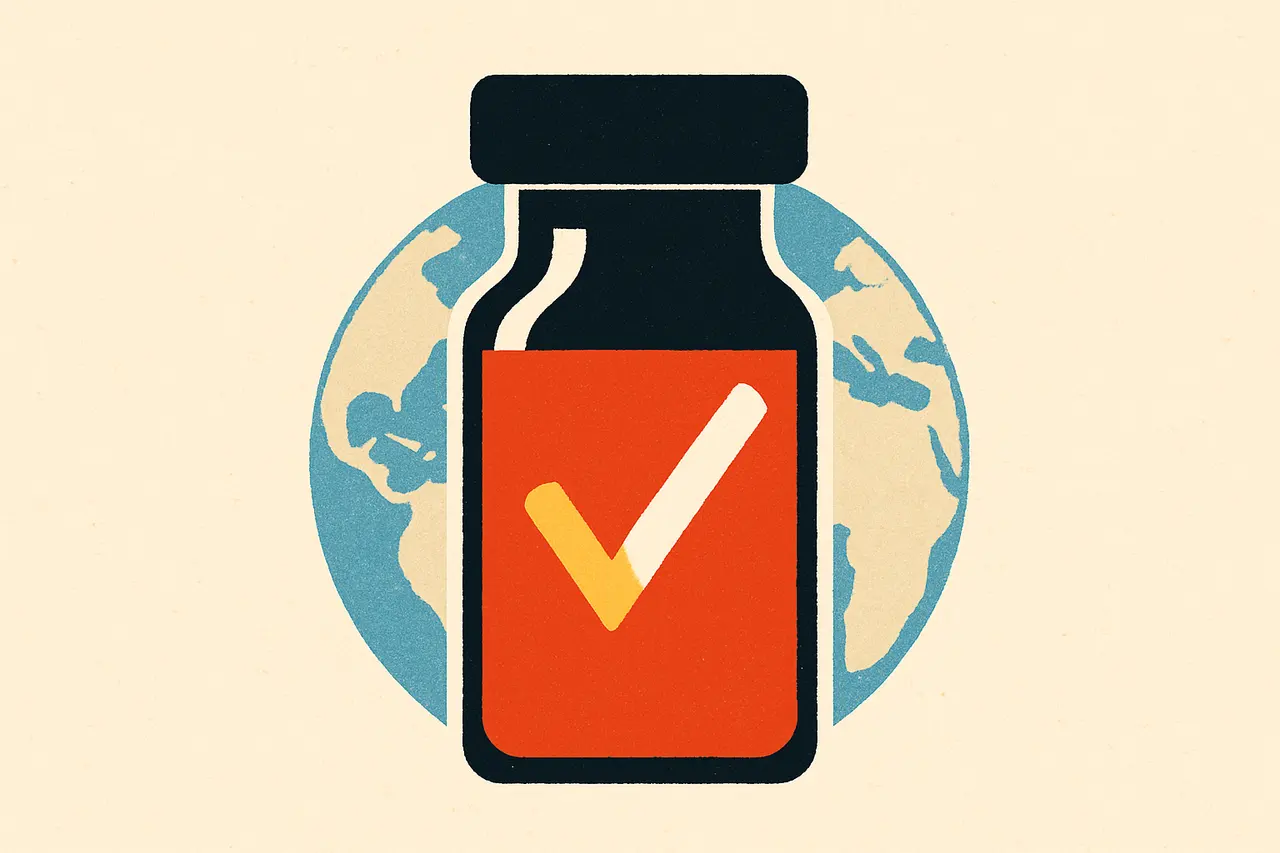
The last natural case was in 1977, a WHO commission certified eradication on 9 December 1979, and the World Health Assembly confirmed it in 1980.
Smallpox was certified eradicated on 9 December 1979, when the 19 members of the Global Commission for the Certification of Smallpox Eradication met at WHO headquarters in Geneva and confirmed the disease was gone. It was the first human disease ever eradicated, and it is still the only one.
The scale explains the relief. Smallpox had afflicted humanity for at least 3,000 years and killed an estimated 300 million people in the 20th century alone; on average about 3 in 10 people who caught it died. The campaign that ended it relied on surveillance and ring vaccination, tools later turned against polio and Ebola.
Why the dates differ
Searches turn up 1977, 1979 and 1980, and all three are right about different things:
- 1977: Ali Maow Maalin, a hospital cook in Somalia, became the last person to catch smallpox naturally.
- 11 September 1978: Janet Parker, a medical photographer at Birmingham University Medical School in England, died of smallpox. She worked one floor above a laboratory doing smallpox research.
- 9 December 1979: the commission certified eradication after two years of searching turned up no new natural cases.
- 8 May 1980: the 33rd World Health Assembly declared that “the world and all its peoples have won freedom from smallpox.”
Two caveats
“Only one” applies to human disease. Rinderpest, a cattle plague, was declared eradicated in 2011, making it the second disease ever wiped out. And the virus itself survives: live variola stocks are kept under WHO supervision at just two sites, the CDC in Atlanta and the VECTOR research centre in Koltsovo, Russia. Labs in England and South Africa had destroyed or transferred their stocks by 1984.
Sources & references
5 referencesWell-established. Corroborated by 4 independent sources.