The Supreme Court found a right to privacy in birth control
On this day · 7 June 1965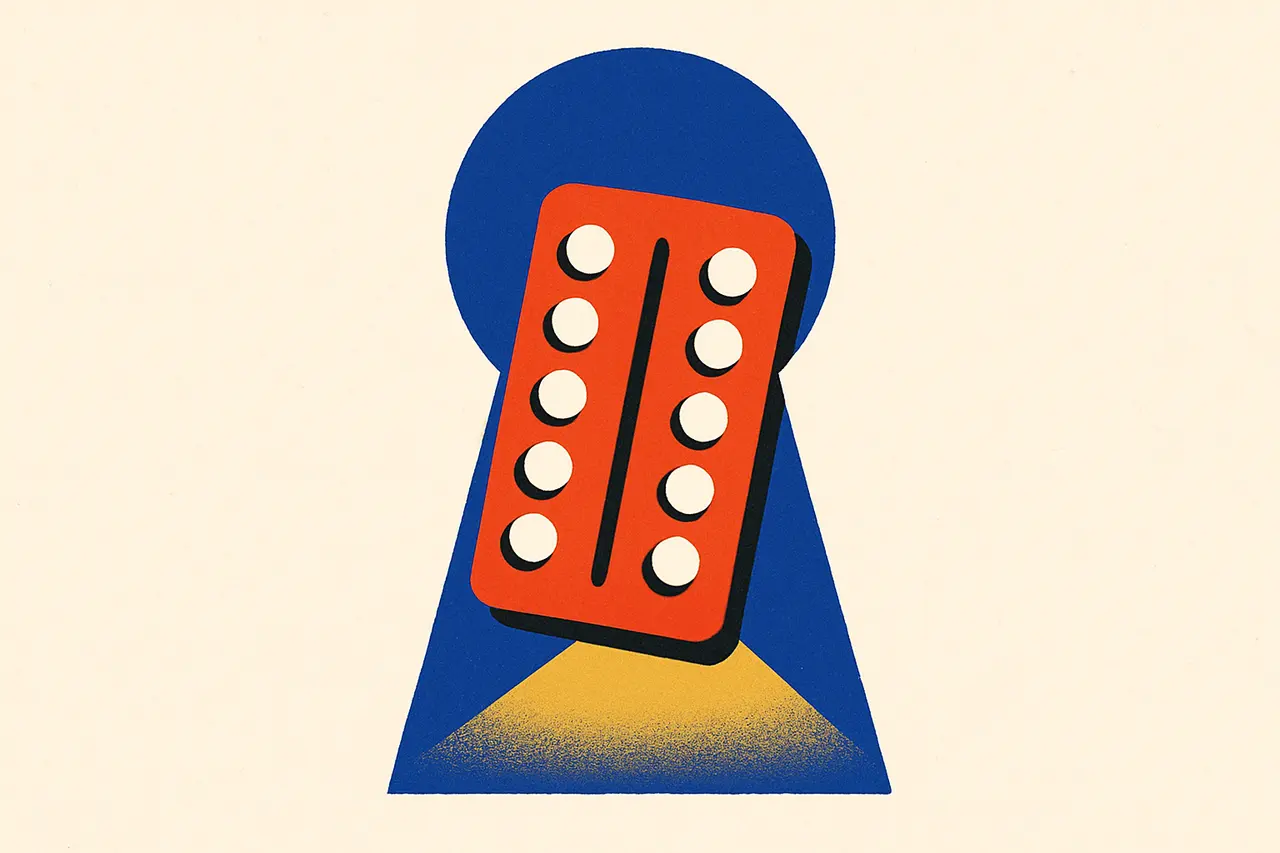
On June 7, 1965, the justices struck down a contraceptive ban and located a constitutional right to privacy in the Bill of Rights' shadows.
On June 7, 1965, the U.S. Supreme Court decided Griswold v. Connecticut, striking down a state law that made it a crime to use “any drug, medicinal article or instrument for the purpose of preventing conception.” The vote was 7 to 2.
The case was engineered as a test. Estelle Griswold, who led Planned Parenthood in Connecticut, and physician C. Lee Buxton opened a New Haven birth-control clinic, were arrested, and were fined. They appealed all the way up.
Writing for the Court, Justice William O. Douglas argued that specific guarantees in the Bill of Rights cast “penumbras” that together create a zone of marital privacy the state could not invade.
The right of privacy, the Court held, was older than the Bill of Rights itself.
Though framed around married couples, Griswold became the foundation for later privacy rulings, reaching unmarried people and beyond. It remains one of the most cited—and most contested—decisions of the twentieth century.
Sources & references
2 referencesWell-established. Corroborated by 2 independent sources.