The Korean War armistice silenced the guns
On this day · 27 July 1953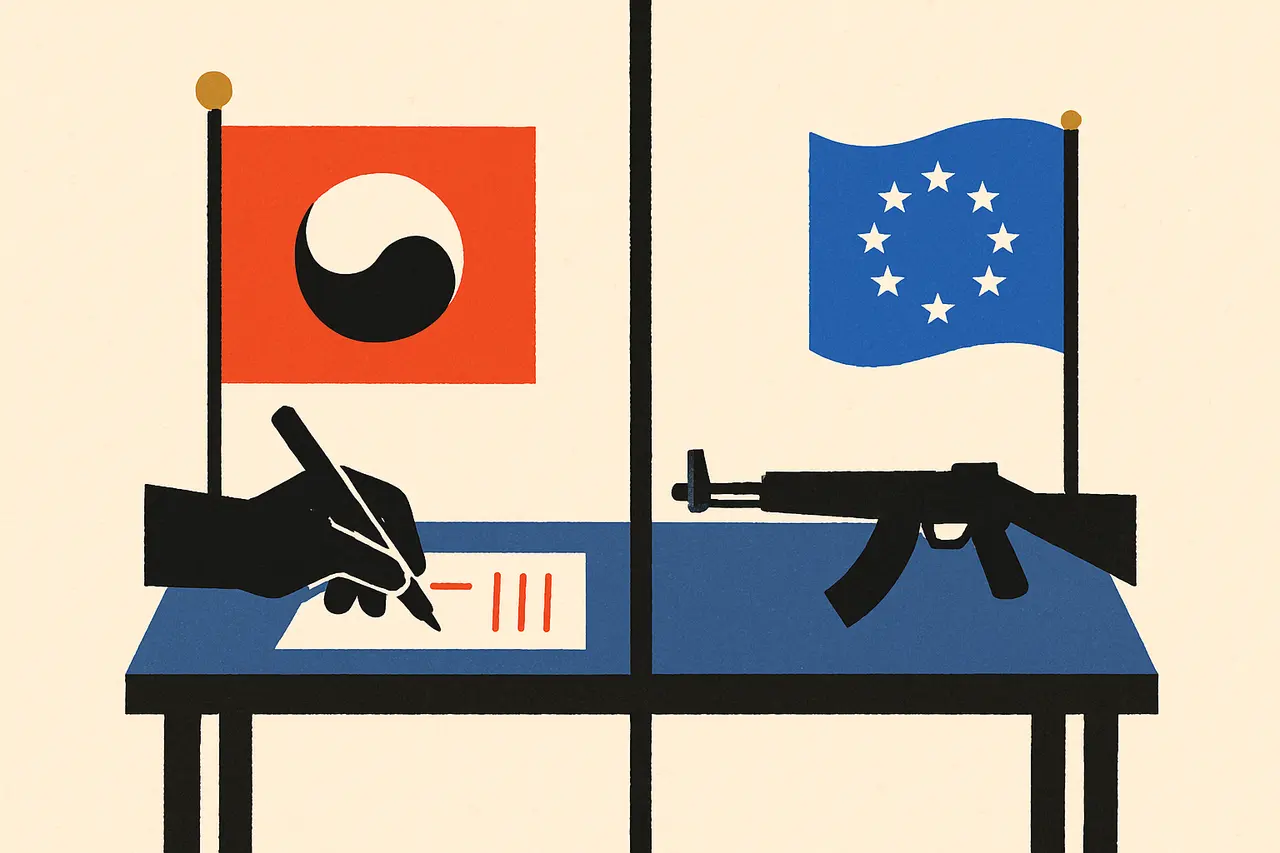
After two years of bitter talks, the longest negotiated truce in history finally stopped the shooting along a line that still splits Korea.
On July 27, 1953, negotiators at Panmunjom signed the agreement that ended active fighting in the Korean War. It took just ten minutes to sign eighteen official copies in three languages, a brisk finish to talks that had dragged through 158 meetings over more than two years.
U.S. Army Lt. Gen. William K. Harrison Jr., for the United Nations Command, and Gen. Nam Il, for the Korean People’s Army and Chinese forces, put their names to the document. The truce took effect that evening at 10 p.m., and both sides pulled back two kilometers from the front to create a buffer roughly four kilometers wide.
The armistice stopped the hostilities, but it was never a peace treaty.
That distinction still matters. More than seventy years on, no formal peace has replaced it, and the Demilitarized Zone it drew remains one of the most heavily guarded borders on Earth, dividing North and South Korea to this day.
Sources & references
2 referencesWell-established. Corroborated by 2 independent sources.