The Halifax Explosion devastated a Canadian harbor
On this day · 6 December 1917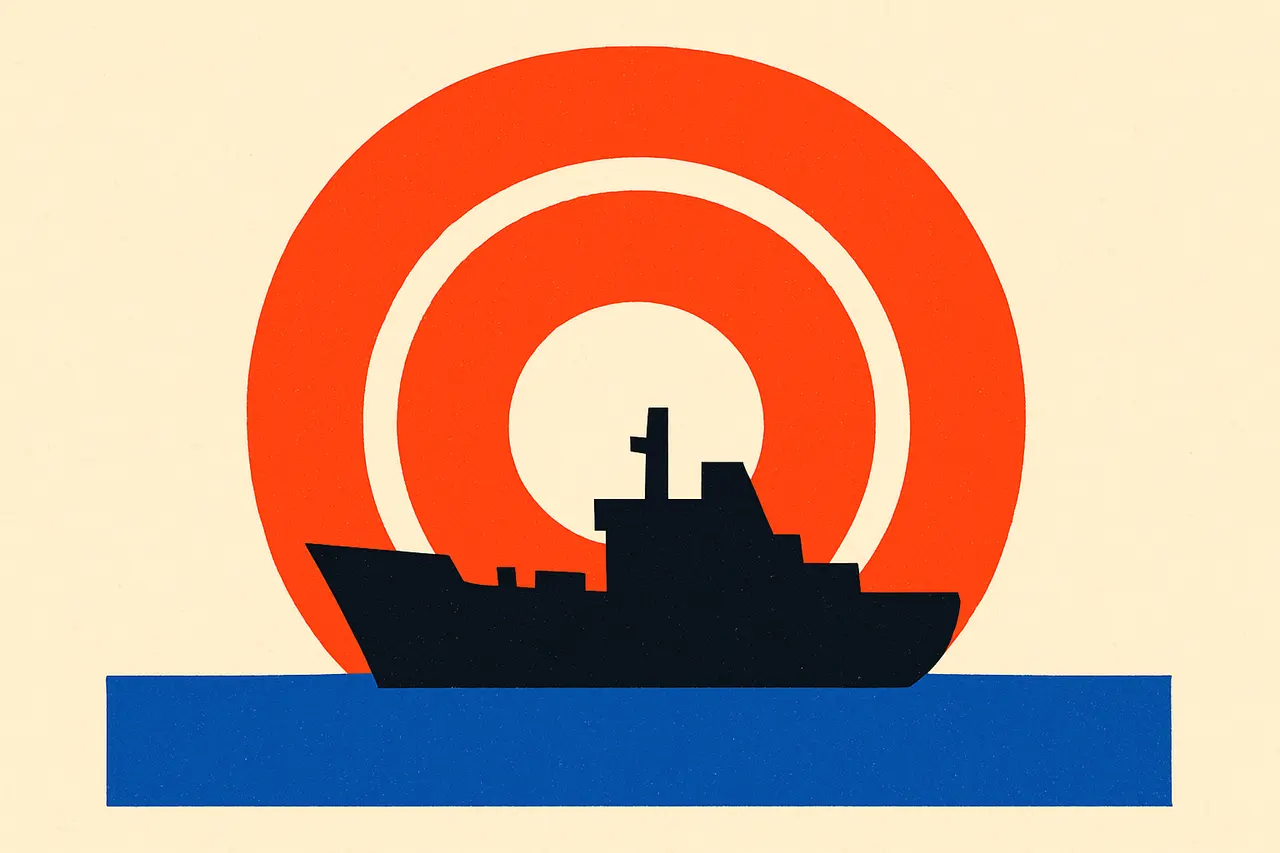
A wartime harbor collision detonated a shipload of munitions, leveling a city district in the loudest blast before the atomic age.
On the morning of December 6, 1917, the French munitions ship SS Mont-Blanc collided with the Norwegian relief vessel SS Imo in the harbor at Halifax, Nova Scotia. The Mont-Blanc, packed with high explosives, caught fire and burned for roughly 17 minutes as crowds gathered to watch.
Then it detonated. The blast was the largest man-made explosion before the atomic bomb, flattening the city’s Richmond district, hurling debris for kilometers, and triggering a small tsunami in the harbor.
The immediate toll was about 1,600 dead; it eventually rose to roughly 1,950 killed and 8,000 injured.
The disaster struck during the First World War, and the wartime context magnified the chaos and the response. A blizzard arrived the next day, hampering rescuers. The catastrophe spurred one of Canada’s earliest coordinated civilian medical responses and shaped how cities would plan for mass-casualty events for decades afterward.
Sources & references
2 referencesWell-established. Corroborated by 2 independent sources.