The Great Alaska earthquake struck
On this day · 27 March 1964
On Good Friday 1964, the most powerful quake in US history shook Alaska for nearly five minutes and sent tsunamis across the Pacific.
At 5:36 p.m. local time on March 27, 1964 — Good Friday — the seafloor beneath Alaska’s Prince William Sound lurched, unleashing a magnitude 9.2 earthquake. It remains the most powerful recorded earthquake in U.S. history and the second largest ever measured anywhere, behind only Chile’s 9.5 in 1960. The ground heaved for roughly four and a half minutes.
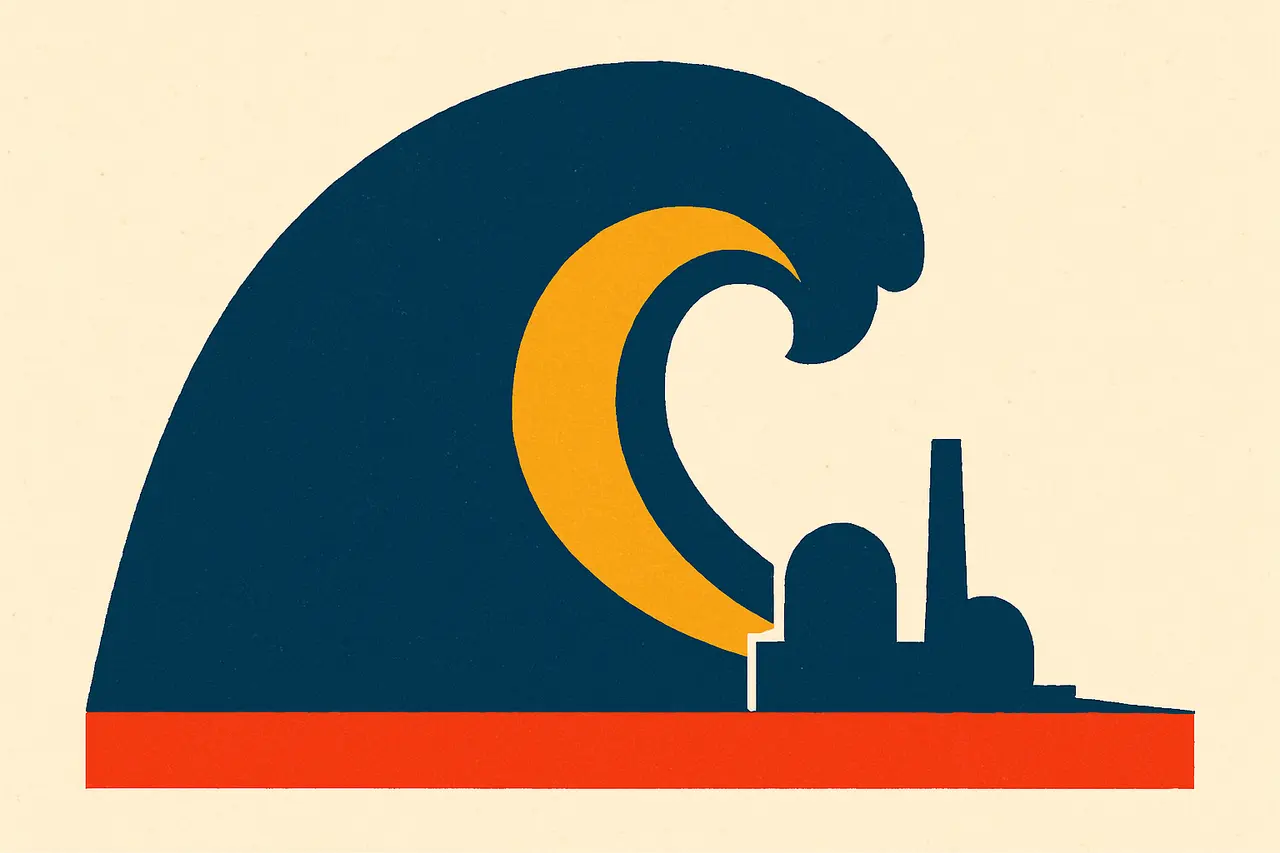
The shaking was only the opening act. Sudden displacement of the ocean floor and earthquake-triggered landslides spawned tsunamis that struck coastal towns within minutes and raced across the Pacific, recorded in over twenty countries.
Of the 139 deaths, 124 came from the tsunamis, not the shaking itself.
The disaster reshaped science as much as coastline. USGS geologist George Plafker correctly read it as a subduction-zone event — one tectonic plate diving beneath another — providing hard evidence for the then-young theory of plate tectonics and transforming how researchers understand the largest quakes on Earth.
Sources & references
2 referencesWell-established. Corroborated by 2 independent sources.