Lucy was found at Hadar, Ethiopia, on November 24, 1974
On this day · 24 November 1974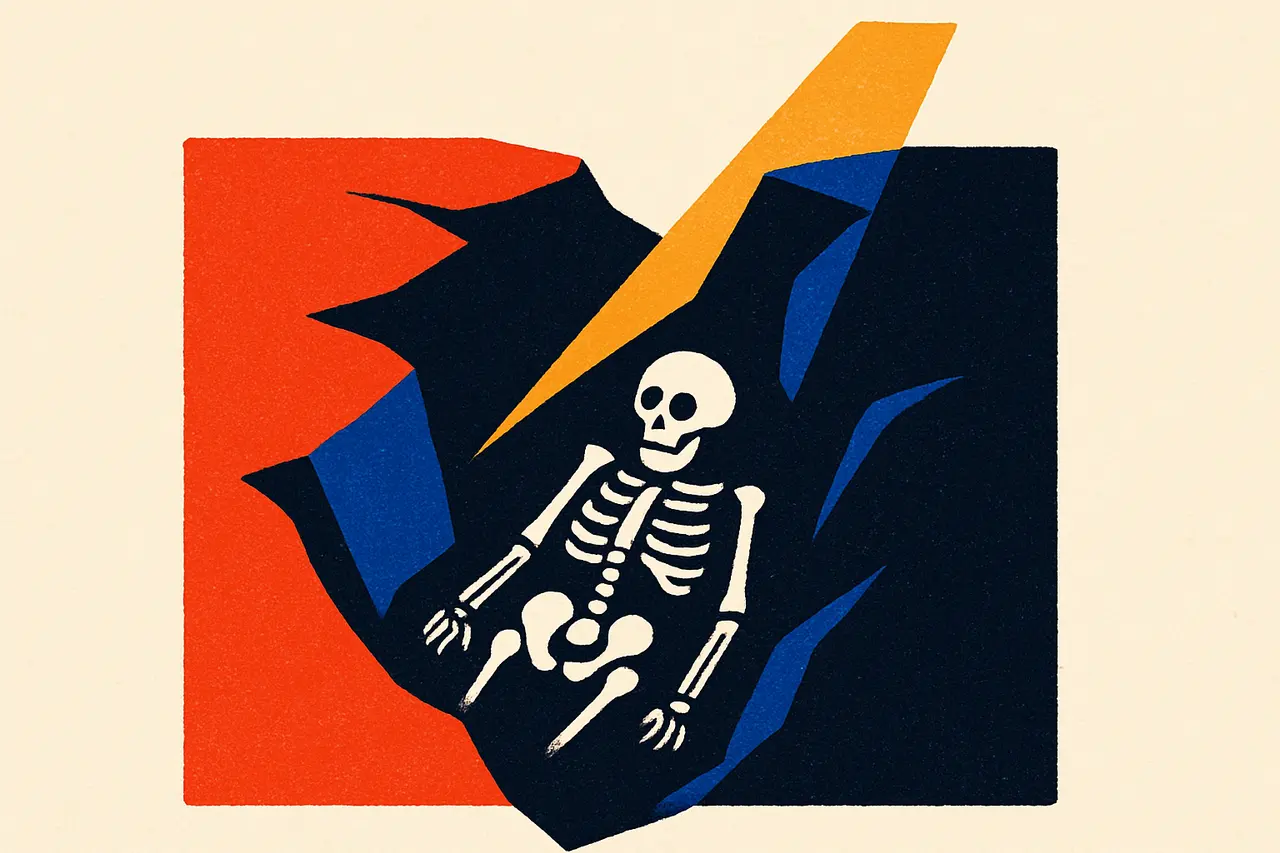
Who really found the 3.18-million-year-old Lucy, and how scientists know her age, sex and that all 47 bones belong to one individual.
The fossil skeleton known as Lucy was discovered on November 24, 1974, at Hadar in Ethiopia’s Afar region, when Donald Johanson and Tom Gray spotted a forearm bone in a gully while heading back to their Land Rover. Two weeks of excavating and sifting yielded 47 bones, about 40 percent of one skeleton of Australopithecus afarensis.
Sources disagree on who found her, and both versions are right. Arizona State University’s Institute of Human Origins names Johanson and Gray, the two who found the bones. The Smithsonian lists Johanson and Maurice Taieb, the French geologist who had found the Hadar deposits.
- 1972: Taieb takes Johanson and paleontologist Yves Coppens on the tour that leads to the International Afar Research Expedition.
- November 24, 1974: the bones turn up. That night the camp celebrates to the Beatles’ “Lucy in the Sky with Diamonds”, and she has a name; in Ethiopia she is Dinkinesh, Amharic for “you are marvelous.”
- After the find: Taieb brings in other geologists to establish Lucy’s age.
- 2025: the originals, normally kept in a secure vault at the National Museum of Ethiopia in Addis Ababa, go on show at the National Museum of the Czech Republic in Prague alongside the child fossil Selam.
How we know what we know
Fossils cannot be dated directly, but volcanic ash in the surrounding layers can: argon-argon dating puts Lucy at just under 3.18 million years old. She is one individual because, although several hundred fragments came from the site, no bone appears twice; a single duplicate would have disproved the claim. And she is female because at Hadar the species shows a clear size gap between larger males and smaller females, and Lucy, about 3.5 feet tall, falls in the smaller group.
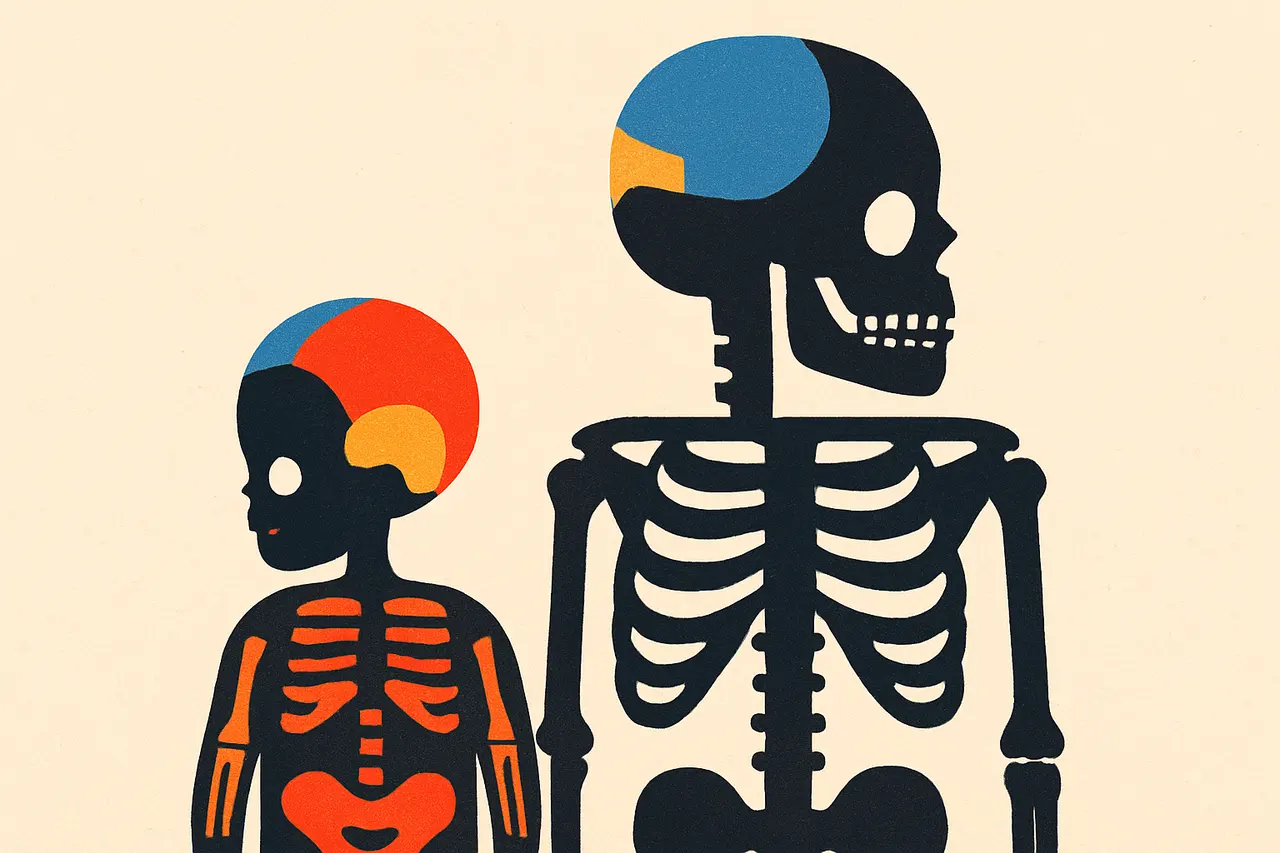
Combining an ape-sized braincase with hips and legs built for upright walking, she showed that our ancestors walked on two legs long before their brains grew large.
Sources & references
5 referencesWell-established. Corroborated by 4 independent sources.