Germans reached Jamestown in 1608, 75 years before Germantown
On this day · 6 October 1683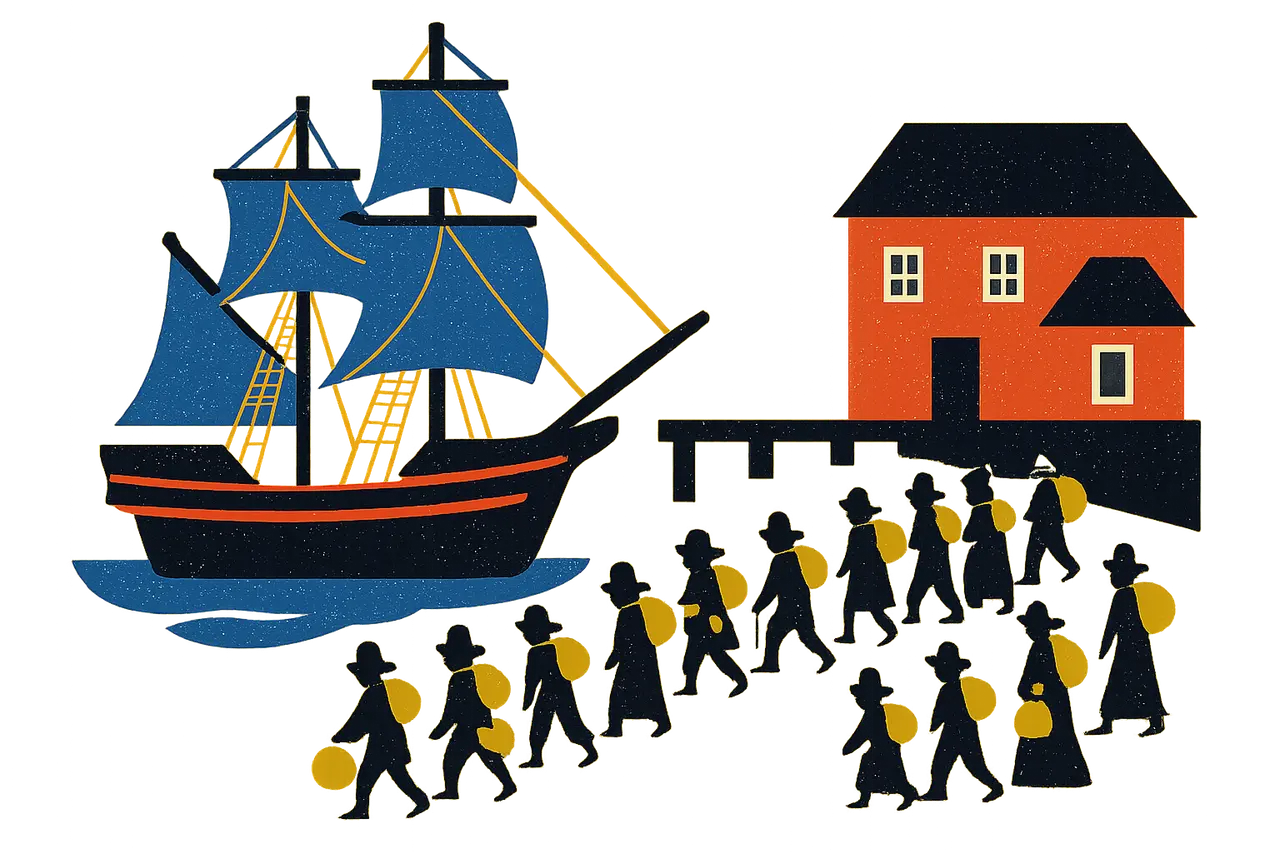
German-American Day honours Germantown's founders of 1683, yet Germans had reached Virginia decades earlier, and the one-in-four ancestry figure is out of date.
The first Germans in America arrived long before the 13 families who founded Germantown, Pennsylvania, in 1683. The Library of Congress lists several Germans among the settlers at Jamestown in 1608, and a German, Peter Minuit, went to New Amsterdam in 1626 to govern the Dutch colony. What Germantown marks is the start of organised German group settlement, which is the anniversary Congress chose for German-American Day on October 6, describing it as the arrival of “the first German immigrants”.
The 1683 settlers were German Mennonites seeking religious freedom in William Penn’s colony, much as the Mayflower’s passengers had sought it in New England. Led by Francis Daniel Pastorius, they bought 43,000 acres and laid out Germantown about six miles north of Philadelphia.
The one-in-four figure is out of date
Many sites still say a quarter of Americans have German roots. That comes from the 1990 census, when 58 million people said they were wholly or partly of German descent, about 23% of the population. By 2022 the figure was about 41 million, a little over 12%. In just over three decades, its share of the population roughly halved.
The German-born population itself peaked more than a century ago:
| Year | German-born U.S. residents |
|---|---|
| 1860 | 1.3 million |
| 1890 | 2.8 million |
| 1910 | 2.3 million |
| 1940 | 1.2 million |
The biggest wave came in the 1850s, when nearly a million Germans arrived, 215,000 of them in 1854 alone. Congress made October 6 German-American Day in 1987, the 304th anniversary of the Germantown arrival and four years after the United States and West Germany marked its tricentennial together.
Sources & references
3 referencesWell-established. Corroborated by 3 independent sources.