The first feature-length "talkie" had barely two minutes of talking
The Jazz Singer ended the silent era in 1927 — even though most of it was still silent.
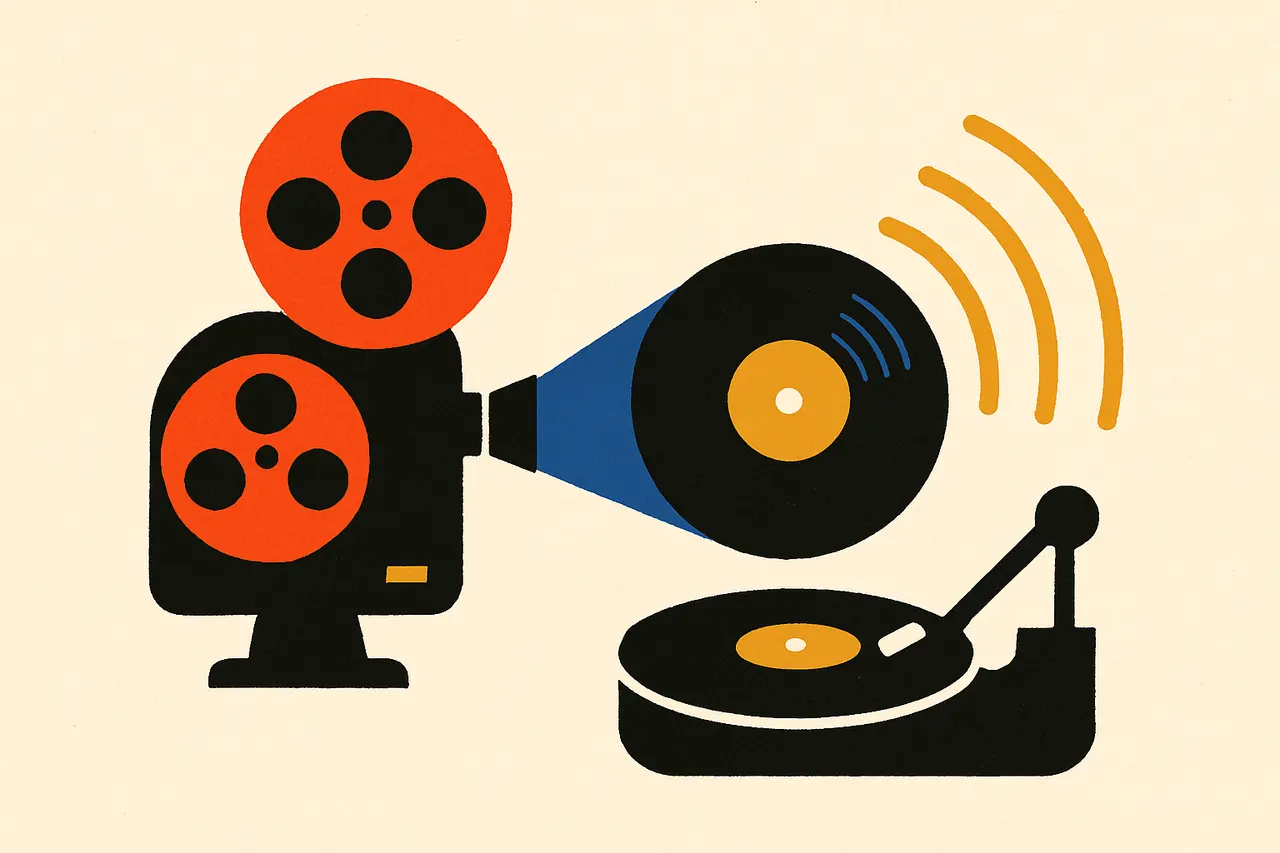
By the mid-1920s, films had pictures but no synchronized voices. Warner Bros. gambled on a sound-on-disc system called Vitaphone, which played a phonograph record locked in step with the projector.
On 6 October 1927, The Jazz Singer premiered — the first feature-length film with synchronized singing and lip-synced speech. Most of it was still a silent film with a recorded score; the spoken dialogue amounted to barely two minutes, much of it ad-libbed by star Al Jolson. His line “You ain’t heard nothin’ yet” became the unofficial slogan of the sound era.
It wasn’t technically the first film with any sound — short subjects had used Vitaphone earlier. But its runaway success was what convinced Hollywood to convert. Within a couple of years the silent era was effectively over, and Warner Bros. received a special Academy Award for the “pioneer outstanding talking picture, which has revolutionized the industry.”
Sources & references
2 referencesWell-established. Corroborated by 2 independent sources.