The FDA approved the first birth control pill in May 1960
On this day · 9 May 1960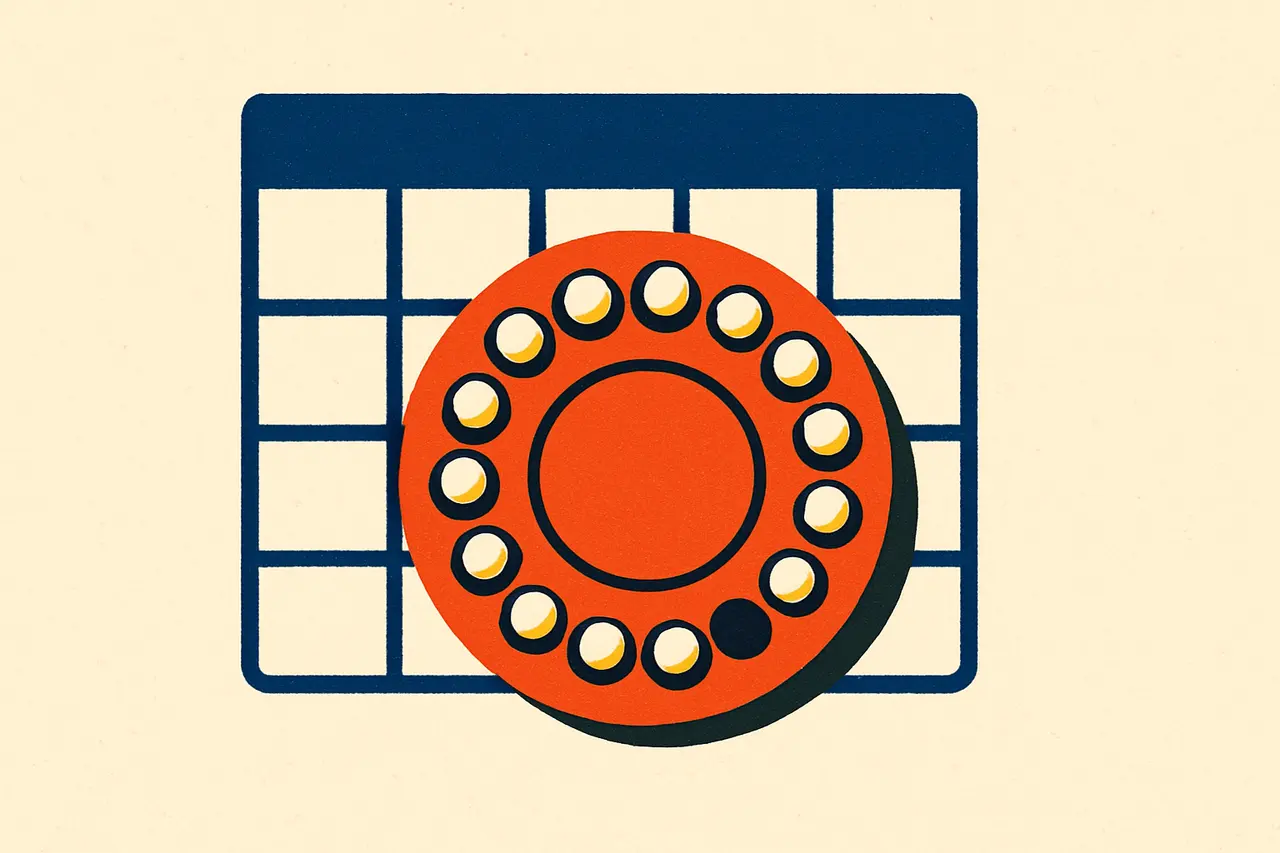
Enovid was cleared for contraception in May 1960: limited to two years' use, $10.80 a month, and still illegal in many states.
The U.S. Food and Drug Administration approved Enovid, made by G.D. Searle, as the first oral contraceptive in May 1960. Many references, including HistoryLink, give May 9; PBS dates the FDA’s official announcement to May 11. Either way, Enovid was not a new drug: the FDA had cleared the same pill in 1957 for menstrual disorders.
That earlier approval is why Searle expected an easy ride. Instead the application stalled. At a December hearing, physician John Rock, then 70 and a developer of the Pill with biologist Gregory Pincus, faced a 30-year-old FDA reviewer, Pasquale DeFelice, who raised cancer worries and then religious and moral objections. When approval came, the agency insisted those objections had played no part:
“When the data convinced our experts that the drug meets the requirements of the new drug provisions our own ideas of morality had nothing to do with the case.” — FDA official, Seattle Post-Intelligencer, May 10, 1960
From label to retirement
- 1957: the FDA clears Enovid for menstrual disorders.
- October 29, 1959: Searle files for a contraceptive label.
- May 1960: approval, but, unsure about long-term safety, the FDA allows contraceptive use for no more than two years at a time. The cost is $10.80 a month, one tablet daily for 20 days of each cycle.
- 1965: Griswold v. Connecticut opens contraceptive sales, which many states still banned, to married women. By then more than five million American women are using Enovid.
- 1972: unmarried women follow, with Eisenstadt v. Baird.
- 1988: the FDA ends the use of Enovid in the US; its early high doses had been linked to blood clots.
Lower-dose successors carried on: in 2019 more than 150 million women worldwide used birth control pills.
Sources & references
3 referencesWell-established. Corroborated by 3 independent sources.