The Exxon Valdez fouled Prince William Sound
On this day · 24 March 1989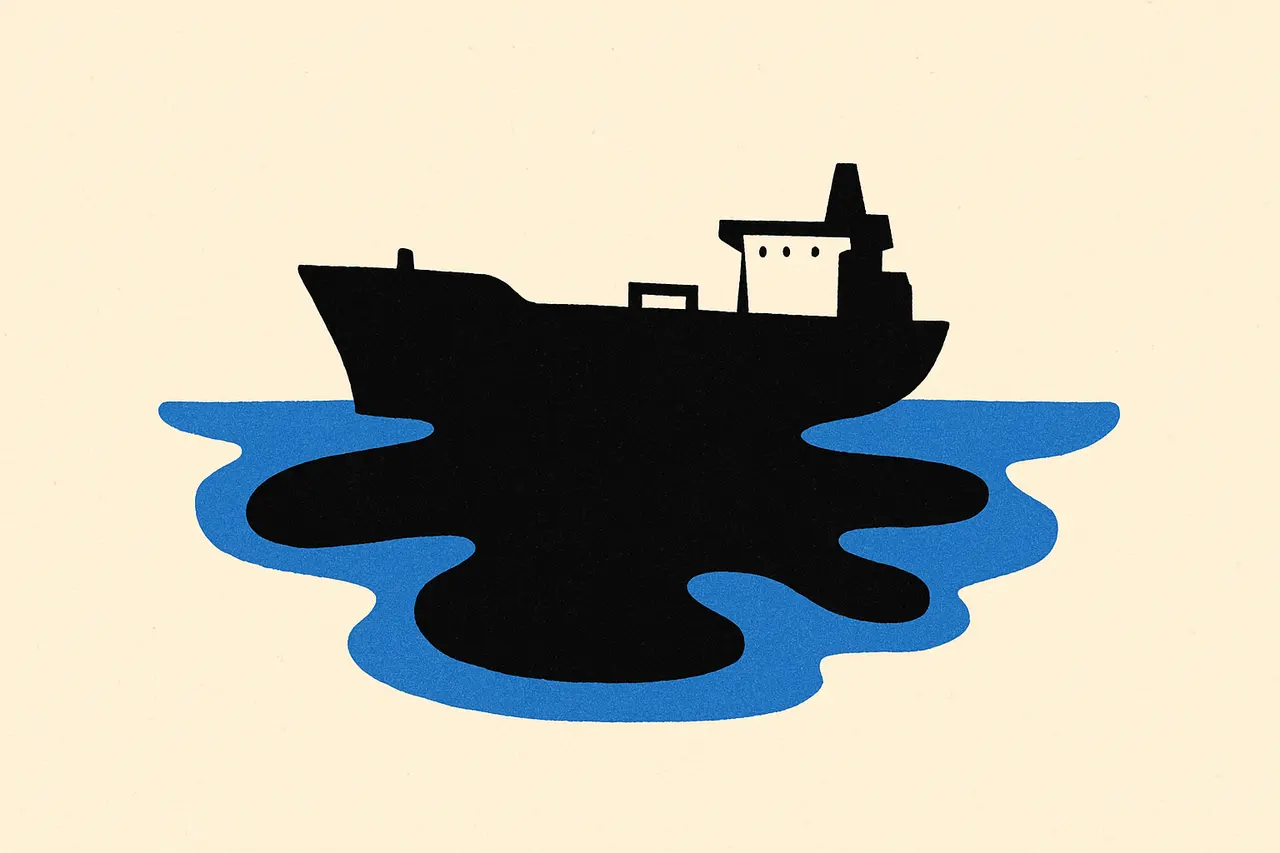
A supertanker strayed from its lane and tore open on a reef, unleashing the worst oil spill in U.S. waters at the time.
Shortly after midnight on March 24, 1989, the supertanker Exxon Valdez struck Bligh Reef in Alaska’s Prince William Sound. The hull ruptured, releasing more than 11 million gallons of crude oil into one of the most productive marine ecosystems on the continent.
The spill eventually smeared over 1,300 miles of shoreline. Its remote location, reachable only by boat and helicopter, crippled the cleanup and overwhelmed plans never designed for a disaster this size.
The toll on wildlife was staggering: an estimated 250,000 seabirds, around 2,800 sea otters, hundreds of seals, 250 bald eagles, and billions of salmon and herring eggs perished, alongside whales and other creatures.
The catastrophe reshaped American policy. Congress passed the Oil Pollution Act of 1990, mandating double-hulled tankers and stronger spill-response rules. Decades later, pockets of oil still linger beneath some beaches, a stubborn reminder of one night’s wrong turn.
Sources & references
2 referencesWell-established. Corroborated by 2 independent sources.