The daguerreotype: photography's public debut
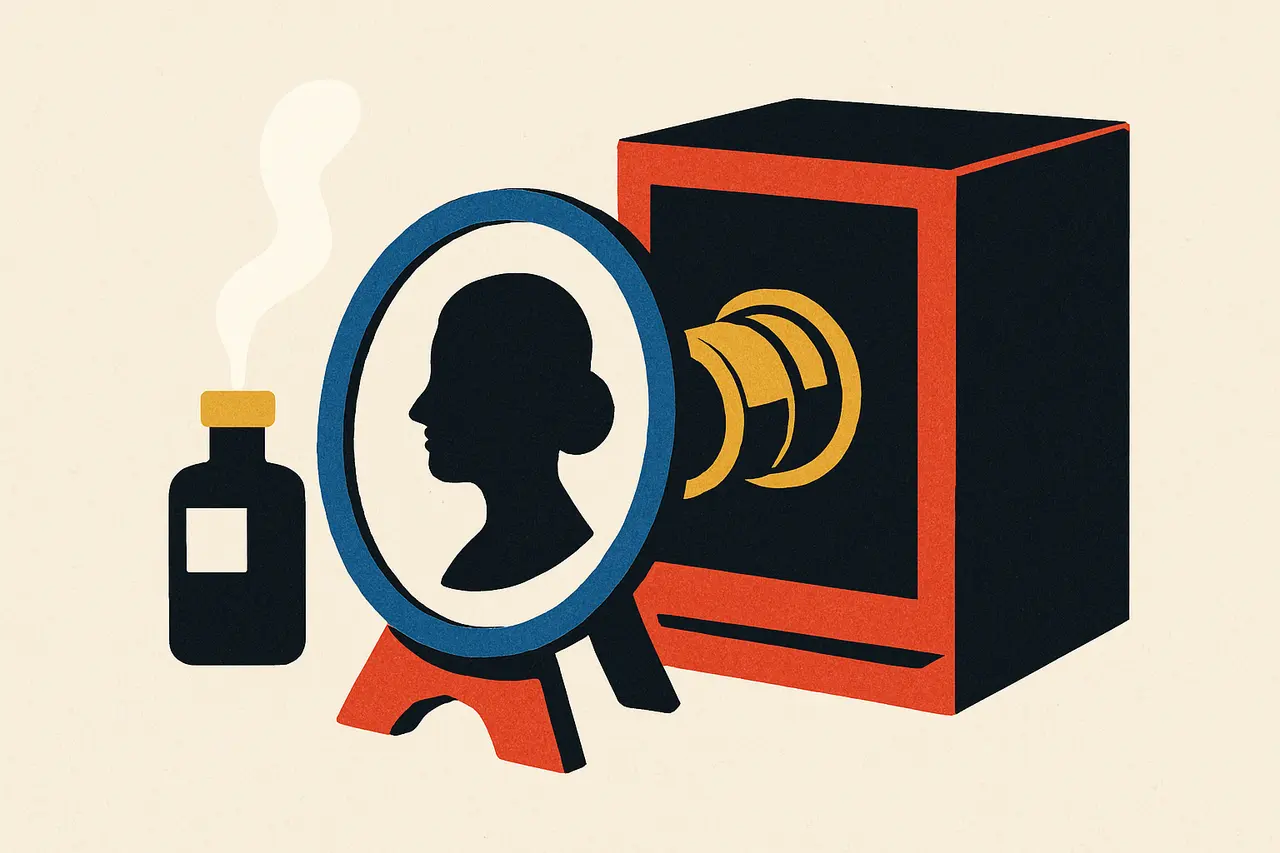
In 1839 Paris unveiled a silver-plated process that fixed light into permanent images and launched the photographic age.
In 1839, the painter and showman Louis-Jacques-Mandé Daguerre revealed a process that could capture the world on metal. The astronomer François Arago, secretary of the Académie des sciences, championed the invention and presented it before a joint session of the Academies of Sciences and of Fine Arts in Paris.
The method was chemical alchemy made practical. Daguerre coated a polished silver plate with iodine vapour to form light-sensitive silver iodide, exposed it inside a camera, then conjured the latent image into view using heated mercury fumes and fixed it with a salt solution. Each daguerreotype was a unique, mirror-bright, astonishingly detailed picture.
Photography had arrived not as a curiosity but as a reproducible, scientific way to capture reality.
Rather than patent it at home, the French state acquired the rights and offered the technique “free to the world.” Within months the process spread across Europe and to America, where it dominated picture-making for two decades and made commercial portrait photography a viable business for the first time.
Sources & references
3 referencesWell-established. Corroborated by 3 independent sources.