The daguerreotype was given freely to the world
On this day · 19 August 1839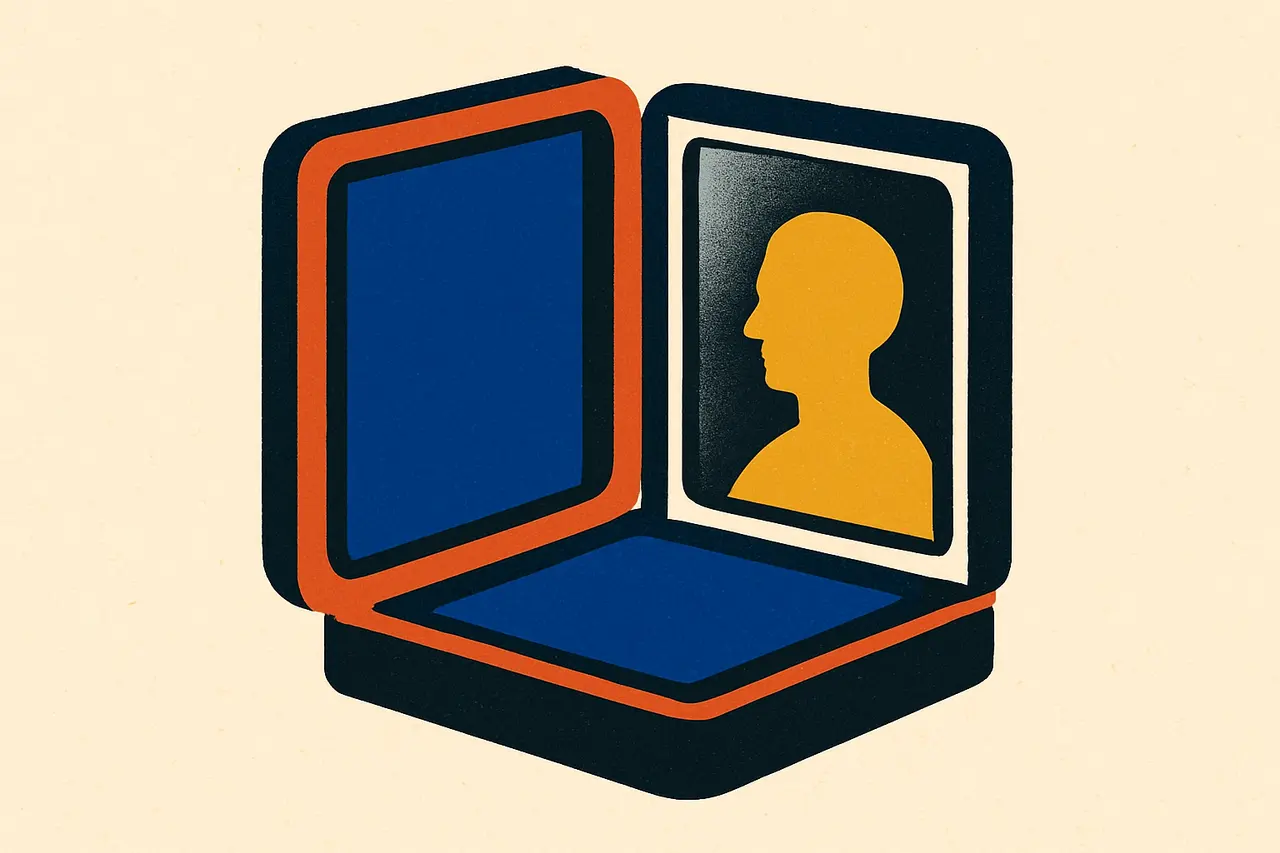
France bought a photographic process, then handed it to the world royalty-free, and the modern image was born.
On August 19, 1839, the French government publicly unveiled the daguerreotype, the first practical photographic process, and announced it was free to the world, usable by anyone without royalties. The astronomer and politician François Arago laid out the method before a joint session of the Académie des Sciences and the Académie des Beaux-Arts.
Invented by Louis-Jacques-Mandé Daguerre, building on the earlier work of Nicéphore Niépce, the process fixed a sharp image onto a silver-coated copper plate. Rather than patent it, France purchased the rights and granted Daguerre and Niépce’s son lifetime pensions, then released the technique as a gift.
One country’s generosity put image-making within reach of the entire world.
The effect was immediate. Within roughly two years, refinements made portraiture practical, and daguerreotype studios spread across Europe and America. For about two decades it was the dominant form of photography, the first time ordinary people could hold a precise likeness of a loved one.
Sources & references
2 referencesWell-established. Corroborated by 2 independent sources.