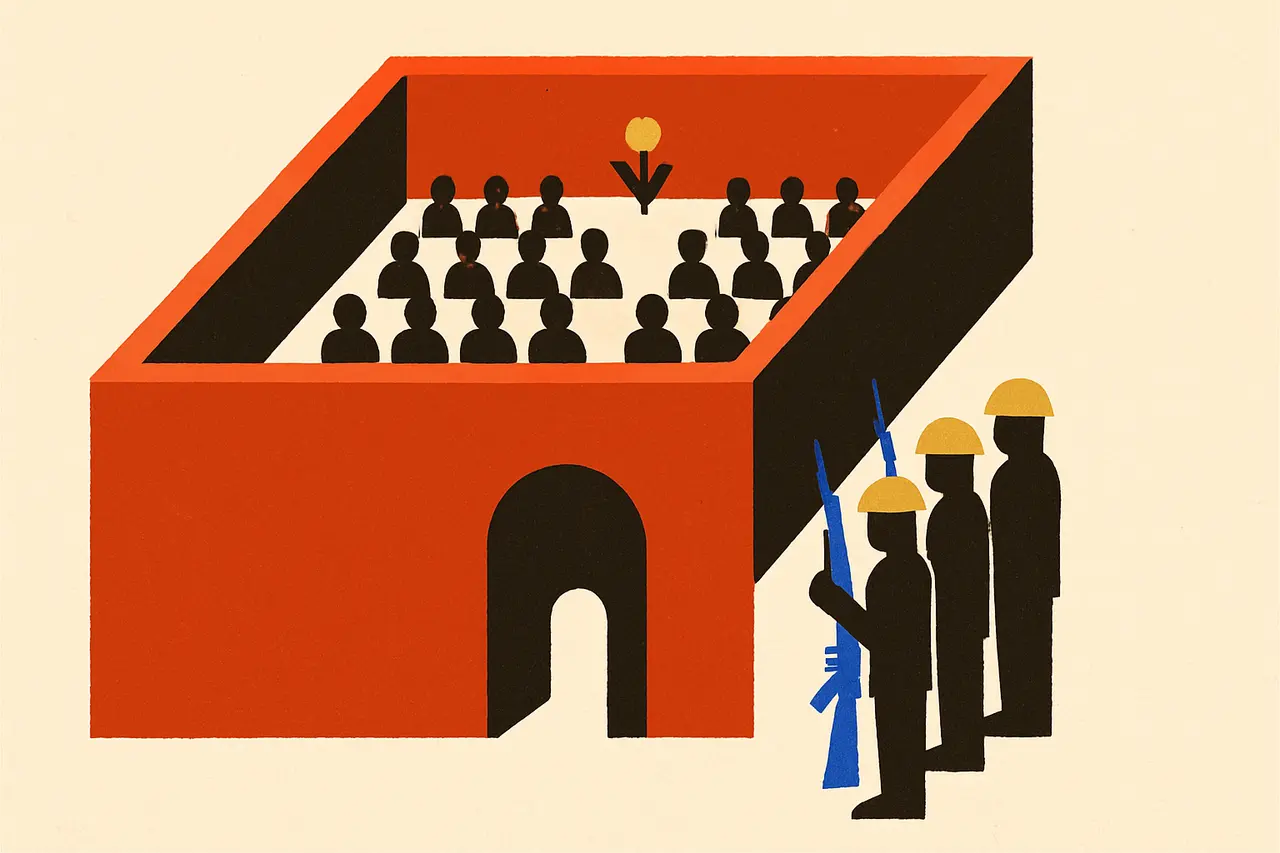
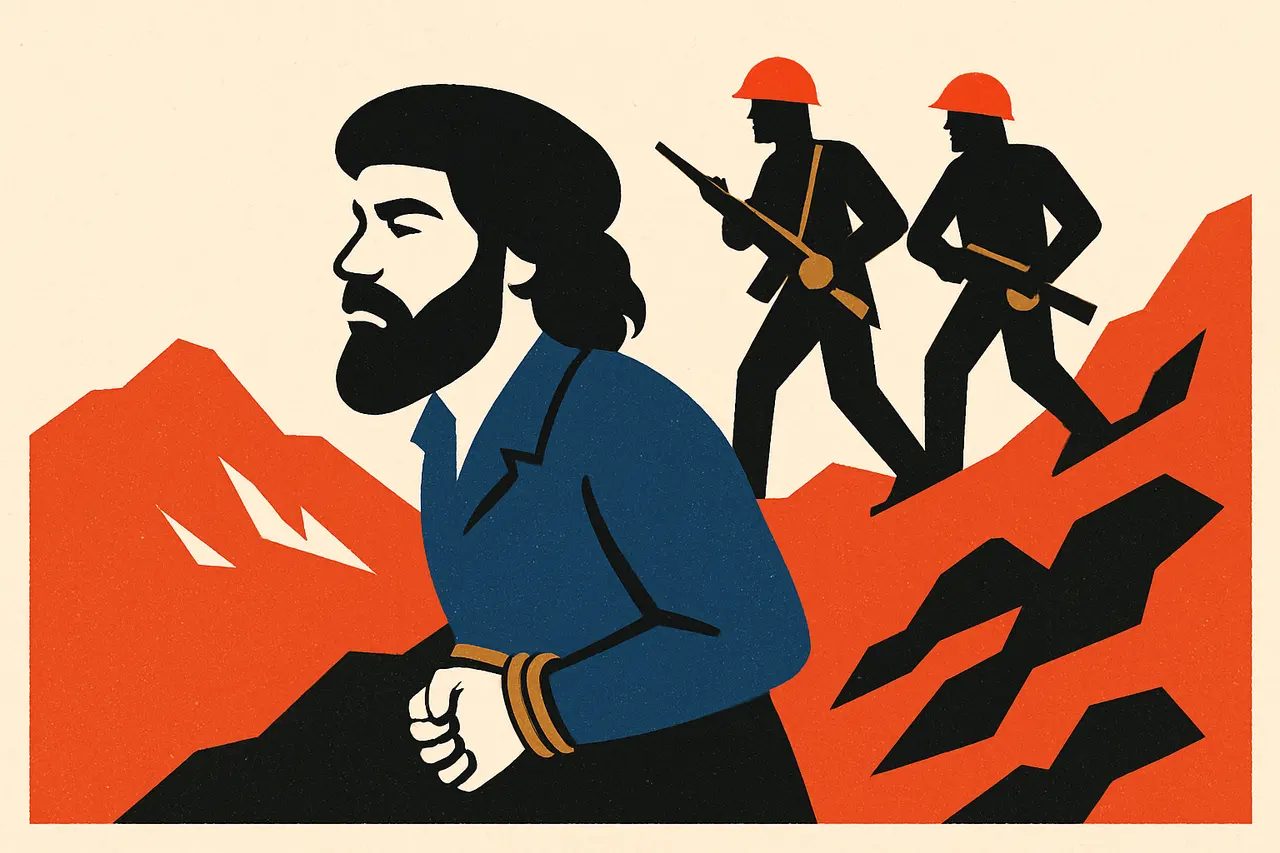
The Cuban Missile Crisis Formally Ended
On this day · 20 November 1962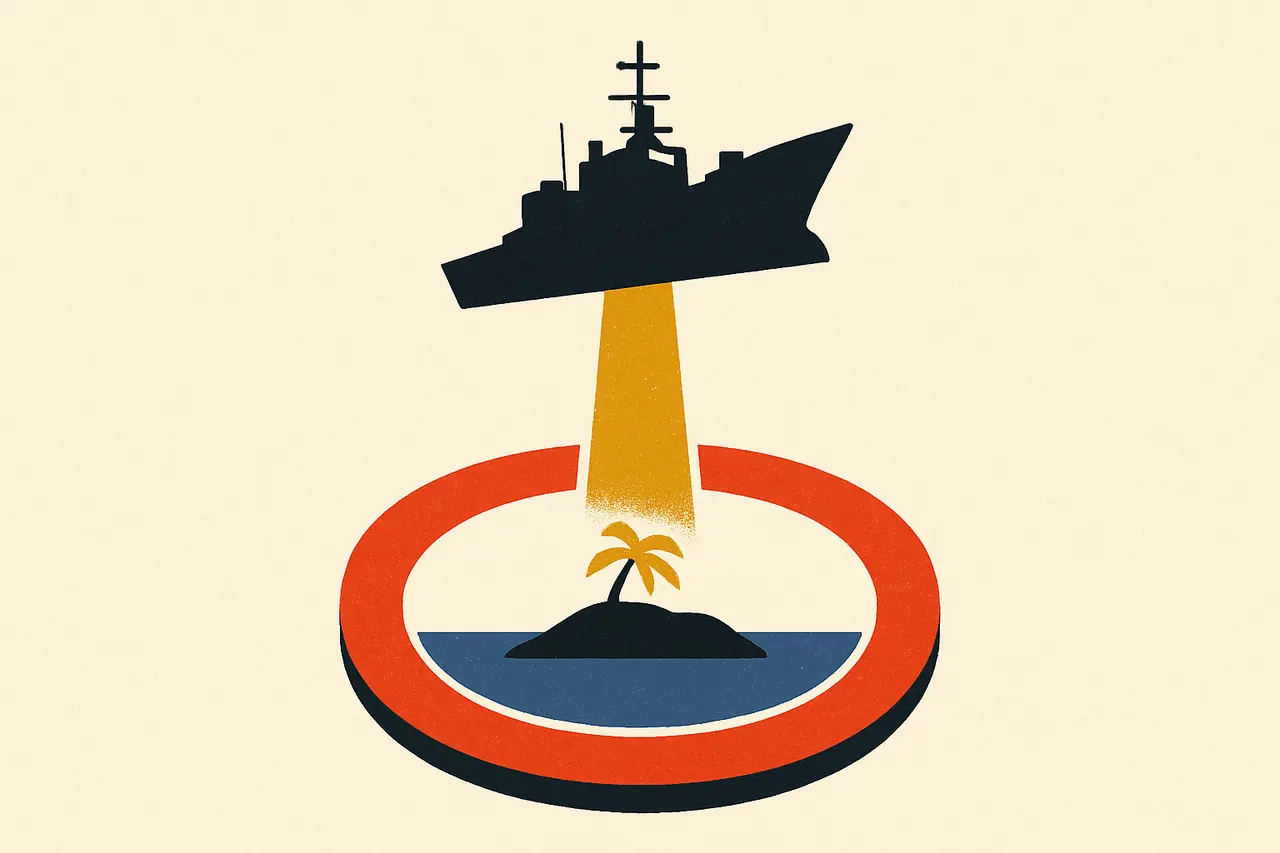
After 13 days at the brink of nuclear war, the standoff over Soviet missiles in Cuba quietly closed when America lifted its naval blockade.
The world remembers the thirteen days of October 1962, when President John F. Kennedy and Soviet Premier Nikita Khrushchev edged toward nuclear war over Soviet missiles in Cuba. Khrushchev announced the missiles’ withdrawal on October 28, but the confrontation was not truly over. A U.S. naval quarantine, imposed on October 22, still ringed the island.
The sticking point was a fleet of Soviet Il-28 bombers, nuclear-capable aircraft Kennedy insisted must also leave. Negotiations dragged through mid-November until Moscow agreed to pull them out within thirty days.
“I have this afternoon instructed the Secretary of Defense to lift our naval quarantine.”
With that pledge secured, Kennedy spoke those words at a press conference on November 20, 1962, formally ending the blockade and closing the crisis. The episode pushed both superpowers toward arms control, leading within a year to a direct Washington-Moscow hotline and the 1963 Partial Test Ban Treaty. It remains the closest the Cold War ever came to open nuclear conflict.
Sources & references
2 referencesWell-established. Corroborated by 2 independent sources.