The Bhopal gas disaster killed thousands overnight
On this day · 3 December 1984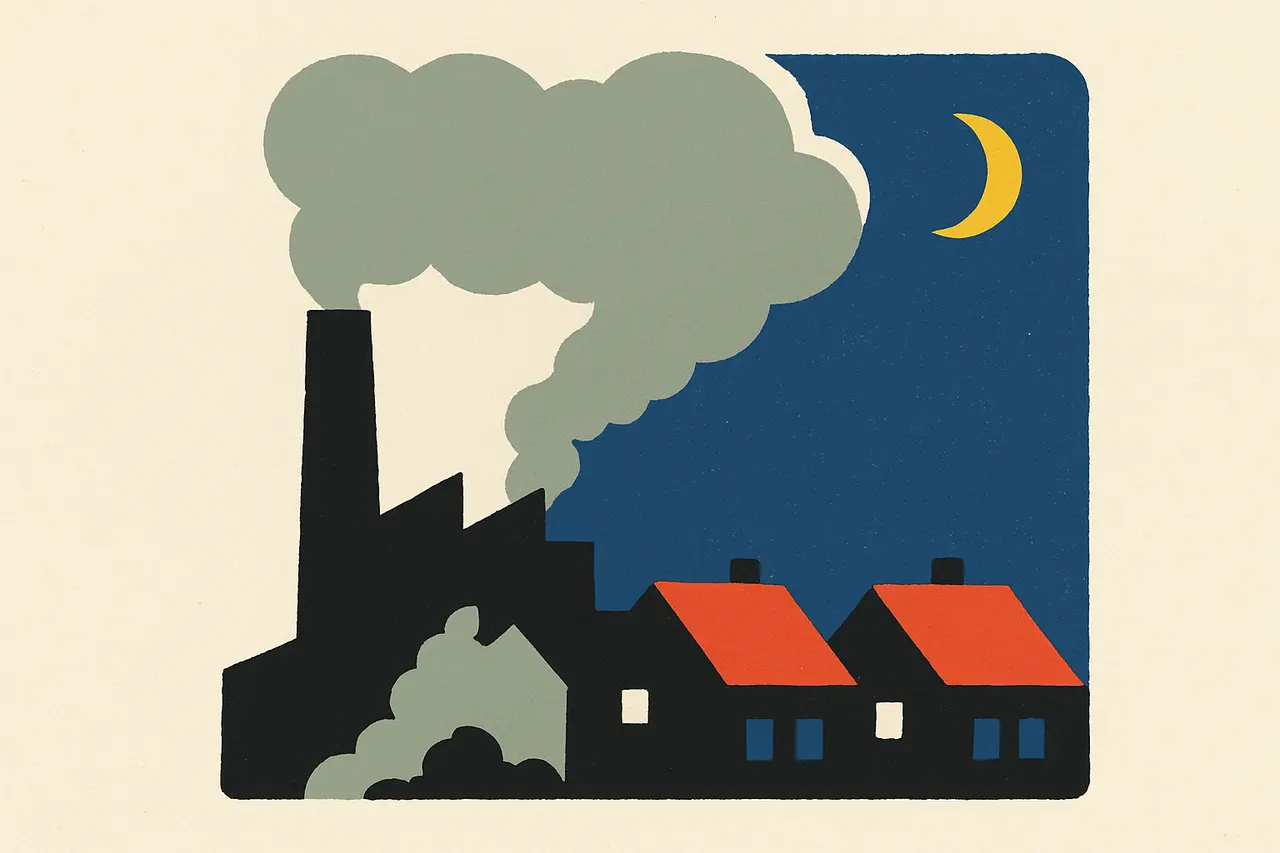
A cloud of poison gas drifted over a sleeping Indian city, killing thousands in hours and maiming half a million more.
In the small hours of 3 December 1984, a storage tank at the Union Carbide India Limited pesticide plant in Bhopal, India, ruptured and released around 40 tons of methyl isocyanate gas. The dense, toxic cloud rolled silently over crowded neighbourhoods where families slept.
The gas blistered lungs and eyes. People woke choking, fleeing into streets already littered with the dead. Roughly 500,000 people were exposed in a single night.
The death toll remains contested. Official figures recorded about 2,000 immediate deaths, while other estimates put the first weeks closer to 8,000, with later totals reaching tens of thousands as gas-related illnesses lingered for decades.
In 1989 Union Carbide paid $470 million to settle Indian government claims, a sum survivors long argued was far too small. Widely judged history’s worst industrial accident, Bhopal reshaped how the world thinks about chemical-plant safety and corporate accountability.
Sources & references
2 referencesWell-established. Corroborated by 2 independent sources.