The atomic bomb was dropped on Nagasaki
On this day · 9 August 1945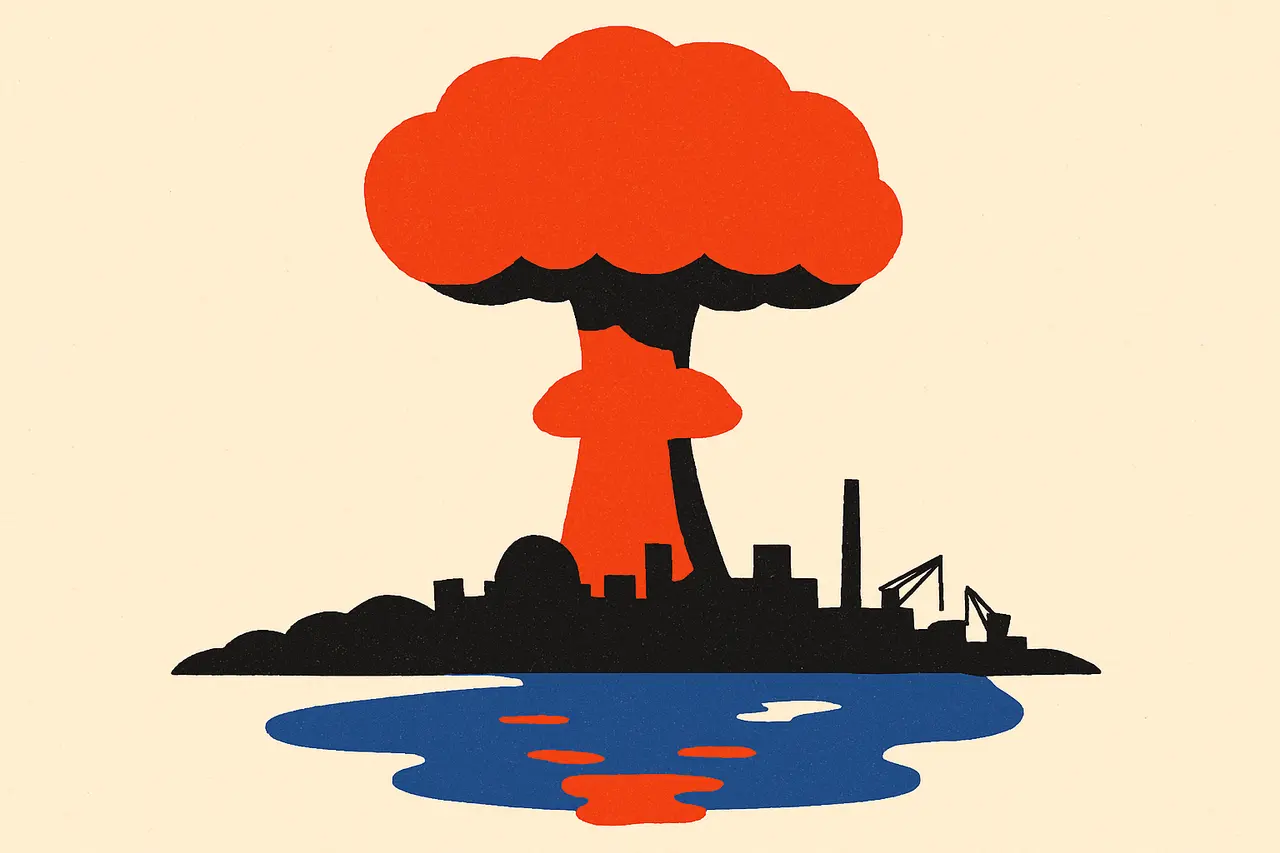
On August 9, 1945, a plutonium bomb diverted from its primary target devastated Nagasaki, the second and last nuclear weapon used in war.
At 3:47 a.m. on August 9, 1945, a B-29 named Bockscar lifted off from Tinian carrying Fat Man, a plutonium implosion bomb. Its primary target was the Kokura arsenal, but heavy cloud and smoke obscured the city, so the crew turned to their secondary target: Nagasaki.
At 11:02 a.m., the bomb detonated about 1,650 feet above the city with a yield of roughly 21 kilotons, exploding between two Mitsubishi industrial plants. The surrounding hills confined some of the blast, yet the destruction was catastrophic.
An estimated 40,000 people died almost instantly, with tens of thousands more deaths from burns, injury, and radiation in the months and years that followed. Coming three days after Hiroshima, the Nagasaki bombing pushed Japan toward surrender, announced on August 15. It remains, with Hiroshima, the only use of nuclear weapons in armed conflict — a grim distinction the world has not repeated.
Sources & references
2 referencesWell-established. Corroborated by 2 independent sources.