The smallest bone in the body is the 3 mm stapes
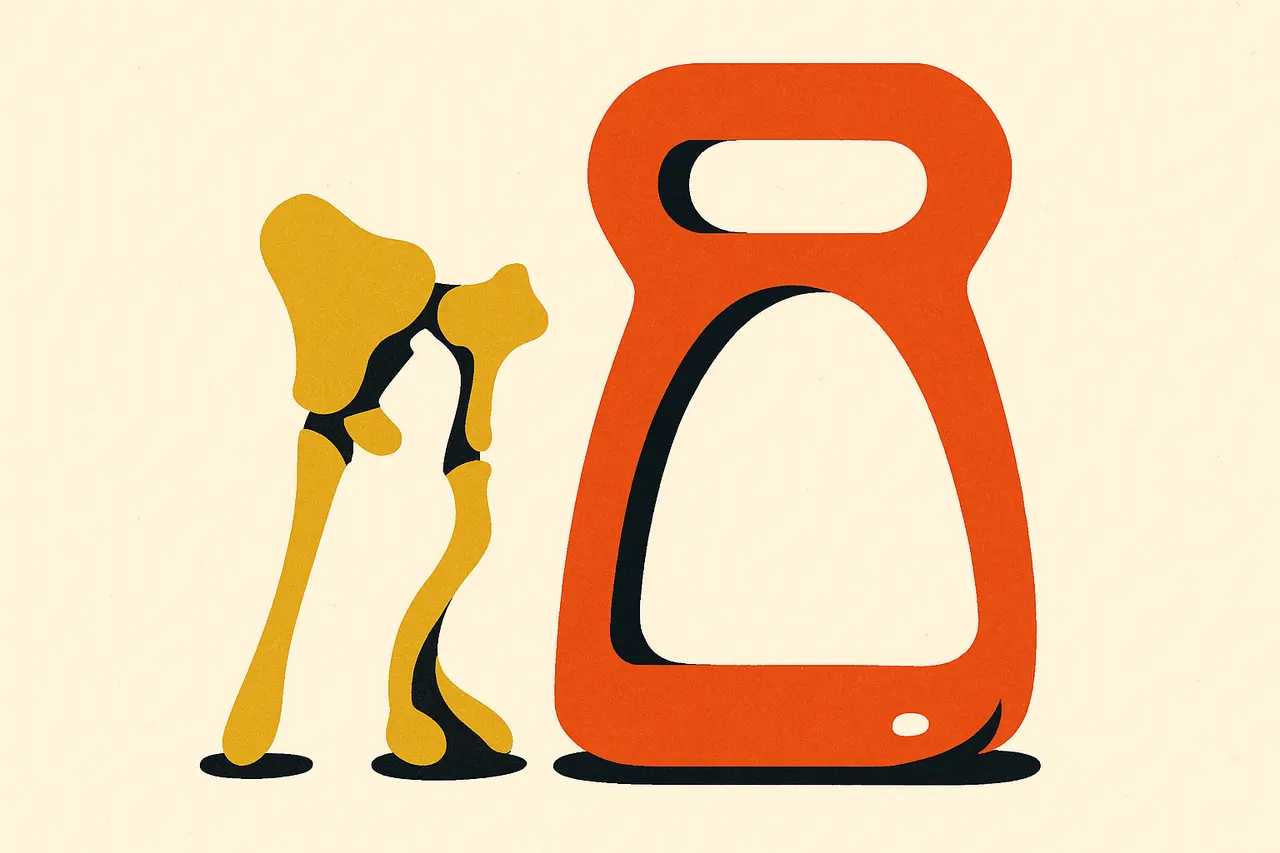
The stirrup-shaped stapes in your middle ear is about 3 mm long, weighs a few milligrams — and is already full-sized before you're born.
The smallest bone in the human body is the stapes, or stirrup, in the middle ear: Guinness World Records gives its length as 2.6 to 3.4 millimeters and its weight as just 2 to 4.3 milligrams, a few thousandths of a gram.
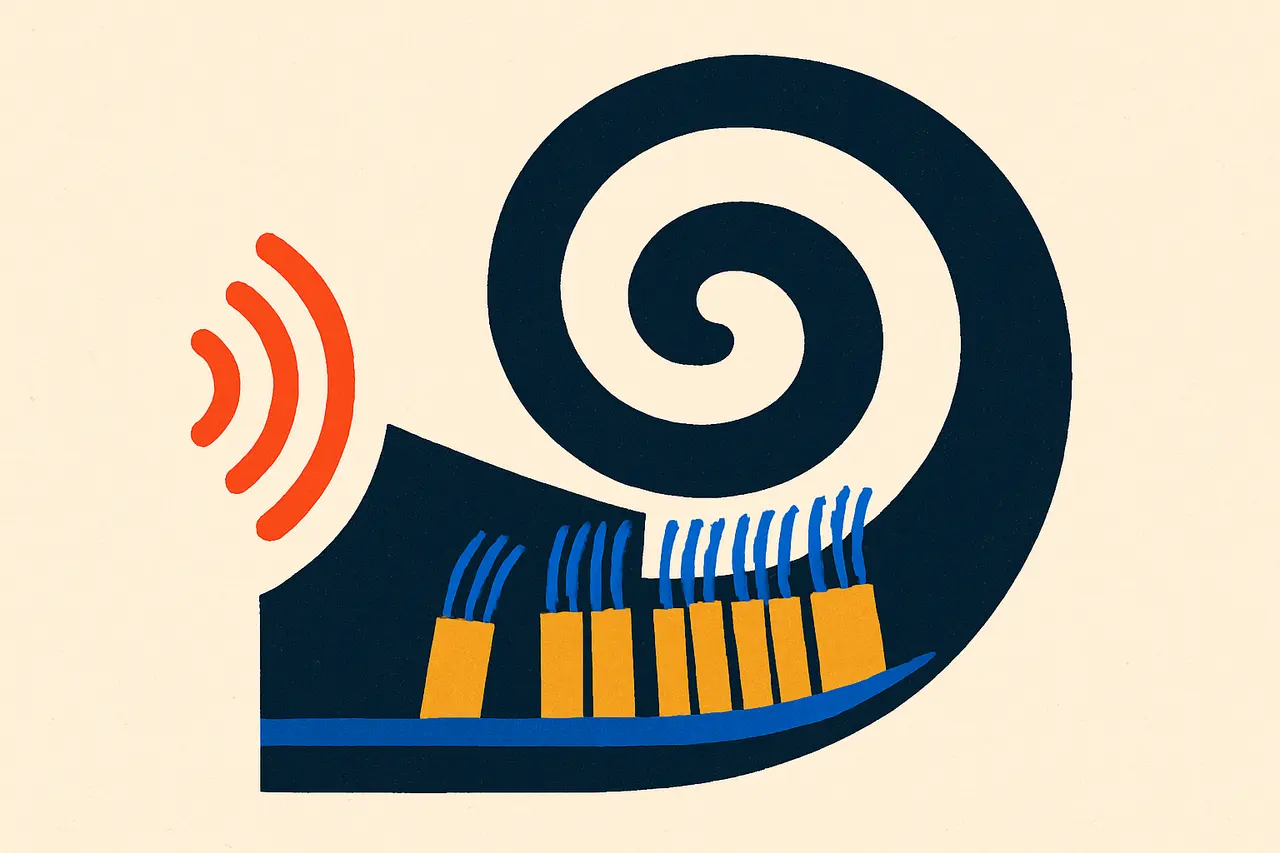
It is the last link in a chain of three ossicles. Sound strikes the eardrum, which moves the malleus (hammer), which rocks the incus (anvil), which pushes the stapes. The stapes’ flat base, the footplate, sits in the oval window at the entrance to the cochlea, so everything you hear passes through it. The chain also boosts the signal: the vibrations reaching the cochlea are bigger than those that left the eardrum.
| Record | Holder | Size |
|---|---|---|
| Smallest bone (length) | Stapes | 2.6 to 3.4 millimeters |
| Smallest bone (weight) | Stapes | 2 to 4.3 milligrams |
| Smallest muscle | Stapedius, which controls the stapes | less than 1.27 millimeters |
Most of the skeleton keeps growing for years after birth. The stapes does not. A classic 1940 study of its development found that it reaches its full size by the middle of pregnancy, through a burst of rapid growth, and already has adult dimensions when its single centre of ossification appears. A newborn’s stapes is, to all intents, the one it will keep for life.
Because the whole system depends on the stapes moving freely, a stuck stapes means hearing loss. In otosclerosis, abnormal bone remodelling fixes the stapes in place so it can no longer vibrate and pass sound inward. The U.S. National Institute on Deafness and Other Communication Disorders says the condition affects more than three million Americans, with white, middle-aged women most at risk. Hearing aids help mild cases, but surgeons often perform a stapedectomy, inserting a tiny prosthesis that bypasses the fixed bone and lets sound reach the inner ear again.
Sources & references
5 referencesWell-established. Corroborated by 4 independent sources.