Spain recognised Portugal's independence only in 1668
On this day · 13 February 1668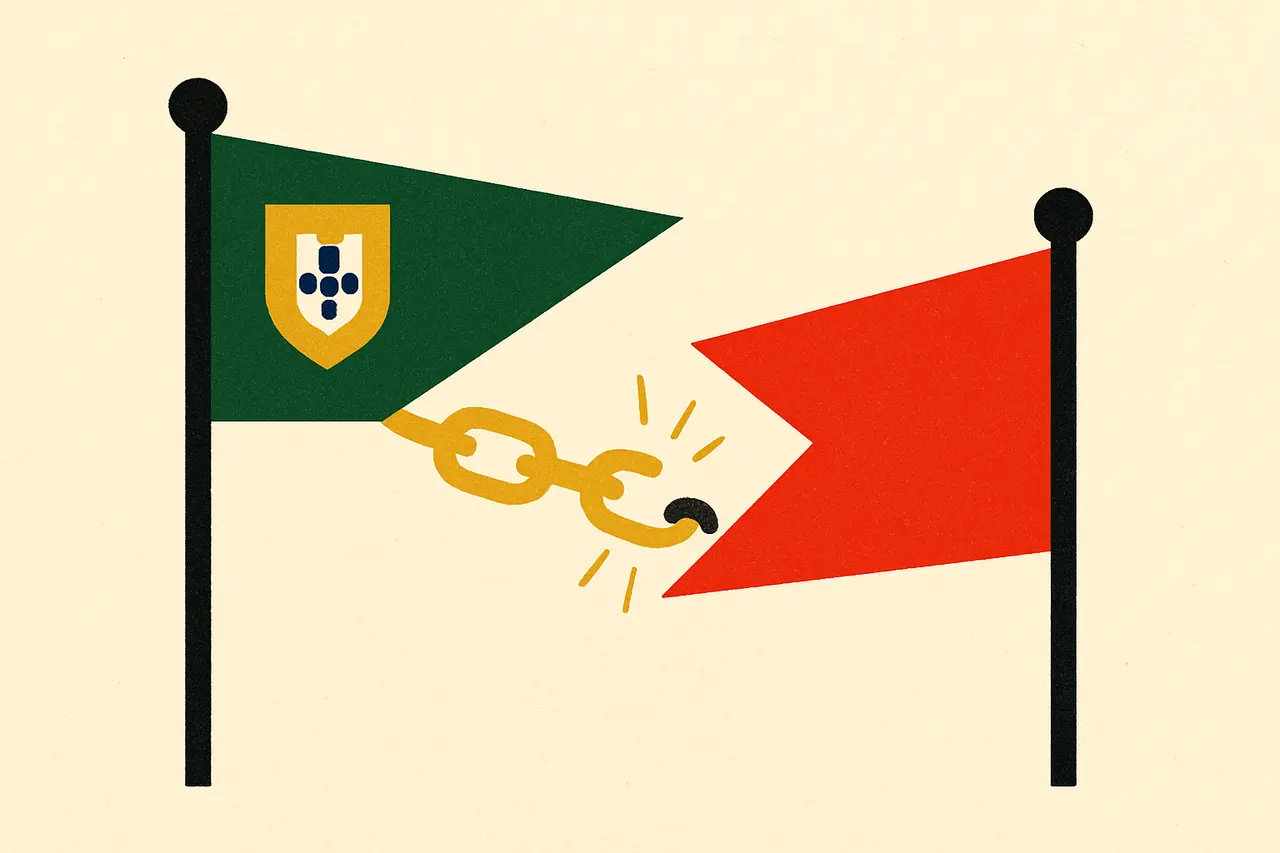
Portugal broke away in 1640, but Madrid held out for 27 years — until battlefield defeats and an English-brokered peace forced a treaty.
Spain formally recognised Portugal’s independence in the Treaty of Lisbon, signed on 13 February 1668 — more than 27 years after the Portuguese threw off Spanish rule in December 1640. The treaty ended the Portuguese Restoration War and accepted the House of Braganza as Portugal’s rightful dynasty, closing a union of crowns that had begun in 1580.
For most of those years Madrid treated the 1640 coup in Lisbon as a rebellion it would eventually crush. Portugal acclaimed the Duke of Braganza as John IV, and Spain could not strike back at once. When it finally did, armies under John of Austria were beaten by Portuguese forces under the German-born general Friedrich Hermann Schomberg, who had the backing of England and France. After the defeat at Montes Claros, Spain accepted that it could not reconquer Portugal.
Why England brokered the peace
Portugal had bought its ally. The 1661 treaty that married England’s Charles II to the Portuguese princess Catherine of Braganza promised a dowry of two million cruzados — the largest ever paid for a Portuguese infanta — plus the ports of Tangier and Bombay. In return England undertook to supply soldiers and ships, paid for by the Portuguese treasury. Lisbon struggled to raise the money: Catherine sailed with only 700,000 cruzados, topped up with sugar, jewels and silver.
The English envoy who had prepared the handover of Tangier, Edward Montagu, Earl of Sandwich, was later sent as ambassador to Madrid with orders to mediate between Spain and Portugal, and he stayed until the peace of 1668 was concluded. Historians writing for NOVA University Lisbon’s Encyclopaedia of Portuguese Expansion judge that 1661 alliance decisive in Portugal keeping its independence.
The bargain also had a long tail. Bombay, handed over as part of a princess’s dowry, became one of the bases from which British power in India grew — a story that ended nearly three centuries later with Mountbatten as the last Viceroy.
Sources & references
4 referencesWell-established. Corroborated by 2 independent sources.