Slavery abolished across the British Empire
On this day · 1 August 1834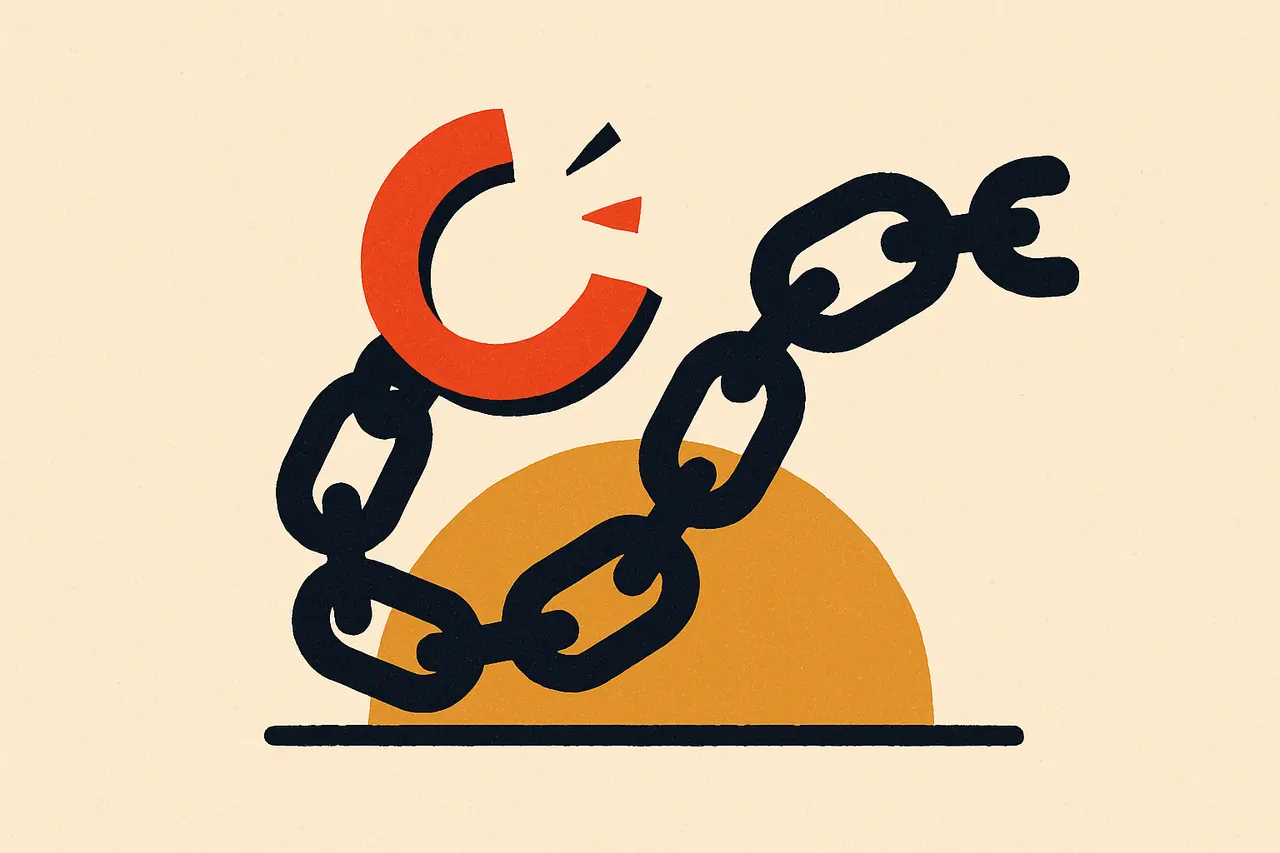
On one summer morning in 1834 a single Act of Parliament began the legal end of slavery across most of the British Empire.
On 1 August 1834 the Slavery Abolition Act of 1833 came into effect, beginning the legal end of slavery across most of the British Empire. The law had received royal assent the previous August, after decades of campaigning by abolitionists and resistance by enslaved people themselves.
The Act eventually freed roughly 800,000 enslaved people in the Caribbean, southern Africa and parts of British North America. Freedom, however, was neither immediate nor unconditional. Only children under the age of six were liberated outright; most others were reclassified as “apprentices” and forced to keep working for their former owners until full emancipation in 1838.
Compensation flowed to the enslavers, not the enslaved.
The British government borrowed and paid out around £20 million to slave-owners for the loss of their human “property” — a debt so large it was reportedly only settled in the 21st century. The day is now marked as Emancipation Day across the Commonwealth.
Sources & references
2 referencesWell-established. Corroborated by 2 independent sources.