Placebos trigger real brain chemistry, but mostly for pain
A sugar pill can release the brain's own painkillers, and naloxone can switch that relief off. But placebos don't shrink tumours or lower cholesterol.
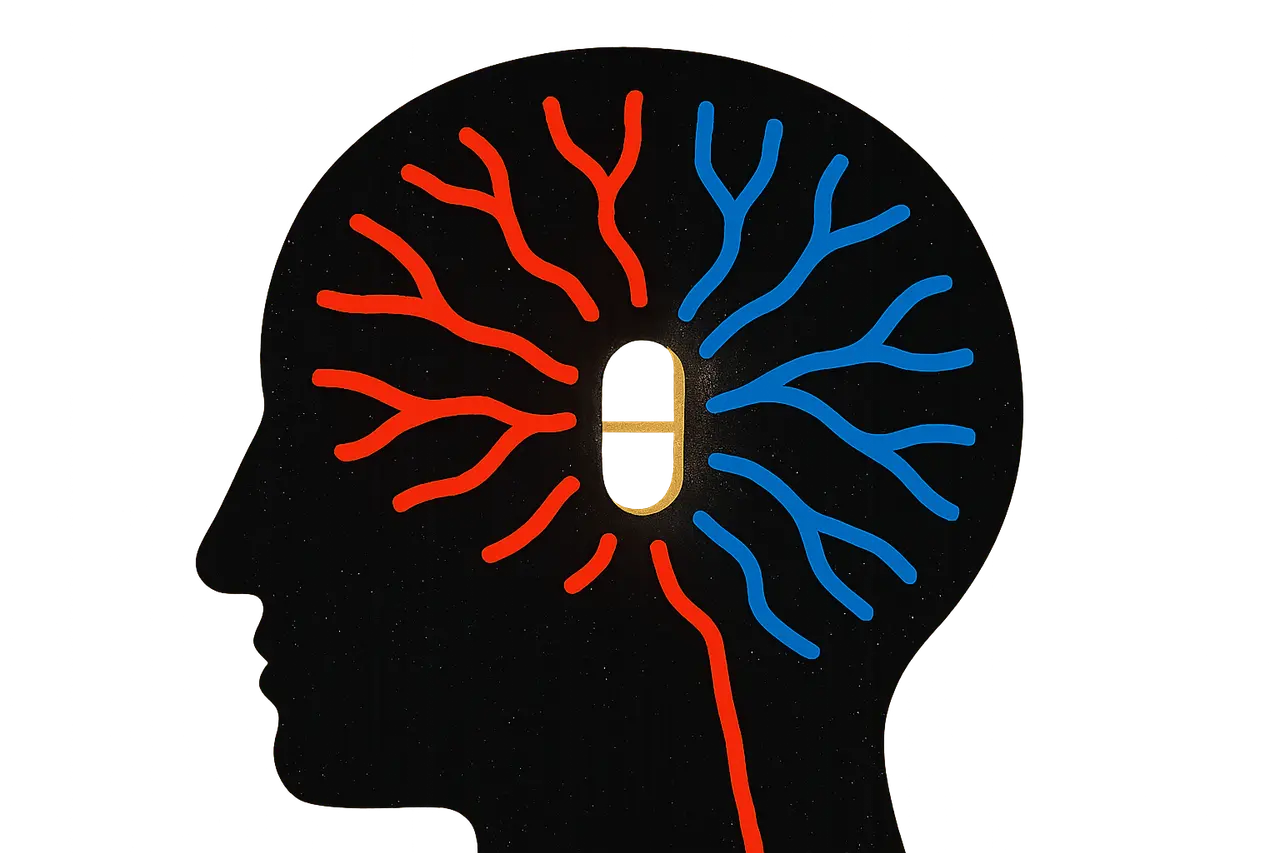
The placebo effect involves real brain chemistry: an inert pill or sham treatment that a person expects to work can trigger the release of the brain’s own painkilling endogenous opioids, and the drug naloxone, which blocks opioid receptors, can switch that relief off. Research has implicated the brain’s dopamine system too.
Key early evidence came from a 1978 study published in The Lancet. Patients recovering from wisdom-tooth extraction were given either naloxone or a placebo under double-blind conditions. Naloxone increased pain only in the placebo responders, people whose pain had eased after a dummy treatment, which pointed to endorphin release as the mechanism.
The ritual of treatment carries weight. In one migraine study, a pill openly labelled “placebo” was still about 50% as effective as the real drug at easing pain. In a landmark knee-osteoarthritis trial, patients given sham surgery (incisions but no procedure inside the joint) did as well as those who had genuine arthroscopic surgery.
Placebos have limits, though. The popular idea of an all-powerful placebo doesn’t survive careful testing. A 2001 review in the New England Journal of Medicine identified 130 trials that compared a placebo with no treatment at all. It found no significant effect on objective outcomes, and only small benefits for subjective symptoms. For pain, the gain worked out to about 6.5 mm on a 100-mm scale.
Harvard Health puts it plainly: placebos won’t lower your cholesterol or shrink a tumour. They act on symptoms the brain modulates, such as pain, nausea and fatigue. That is why every new drug must beat a placebo, not just an untreated group, to show it works.
Sources & references
5 referencesWell-established. Corroborated by 3 independent sources.