How penicillin was really discovered (not via an open window)
Fleming spotted penicillin in 1928, but the drifting-spore story is shaky, and it took twelve years and a rotting melon to make it a medicine.
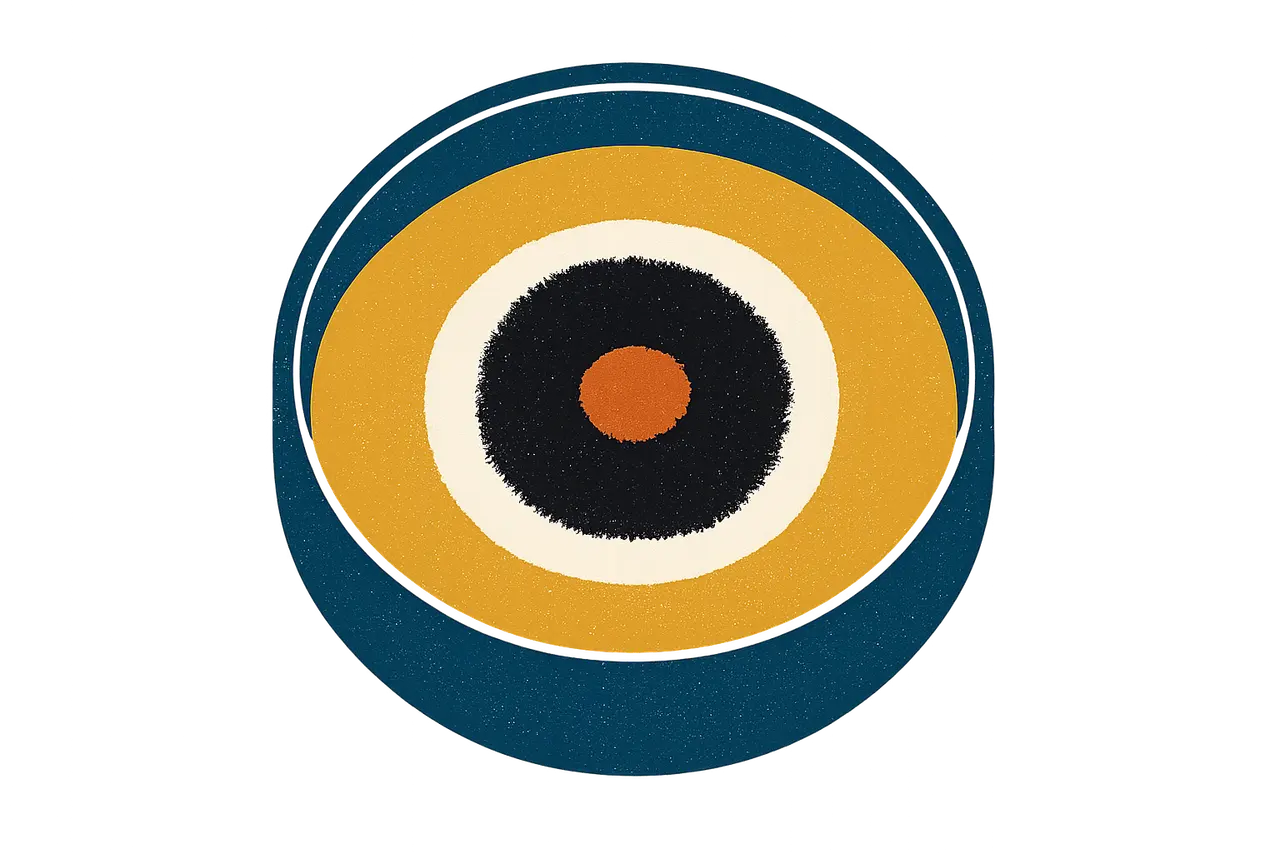
Penicillin was discovered by Alexander Fleming at St Mary’s Hospital in London in 1928, when he came back from a holiday to find a Penicillium mould growing on a dish of Staphylococcus bacteria, surrounded by a bacteria-free ring. He named the substance the mould released penicillin, but it took another twelve years, and a team in Oxford, to start turning it into a medicine.
The version many of us learned has spores drifting in through Fleming’s open laboratory window. A 2002 article in the Medical Journal of Australia dismissed that part as myth, stating that the windows were fixed shut. A reply in the same journal argued they could be opened with ropes and pulleys, but that a likelier route for the spore was a dumb-waiter shaft connecting to a mycology laboratory on the floor below. Either way, chance delivered a rare subtype of Penicillium to a scientist primed to notice it.
The road from mould to medicine ran through Oxford and Illinois:
| Year | What happened |
|---|---|
| 1928 | Fleming sees the clear ring around the mould |
| 1940 | In Oxford, Howard Florey and Ernst Chain’s team infect eight mice with deadly streptococci; only the four also given penicillin survive |
| 1941 | Policeman Albert Alexander, 43, starts to recover, then dies when the supply runs out |
| Early 1940s | Production moves to the US; in Peoria, Illinois, a mould from a rotting cantaloupe yields six times more penicillin than Fleming’s strain |
| 1943 | There is enough penicillin for the Allied armed forces |
| 1945 | Fleming, Florey and Chain share the Nobel Prize in Physiology or Medicine |
Fleming used his Nobel lecture on 11 December 1945 to issue a warning about antibiotic resistance that now reads as prophecy:
“There is the danger that the ignorant man may easily underdose himself and by exposing his microbes to non-lethal quantities of the drug make them resistant.”
Sources & references
5 referencesWell-established. Corroborated by 4 independent sources.