More than half of humanity now lives in cities
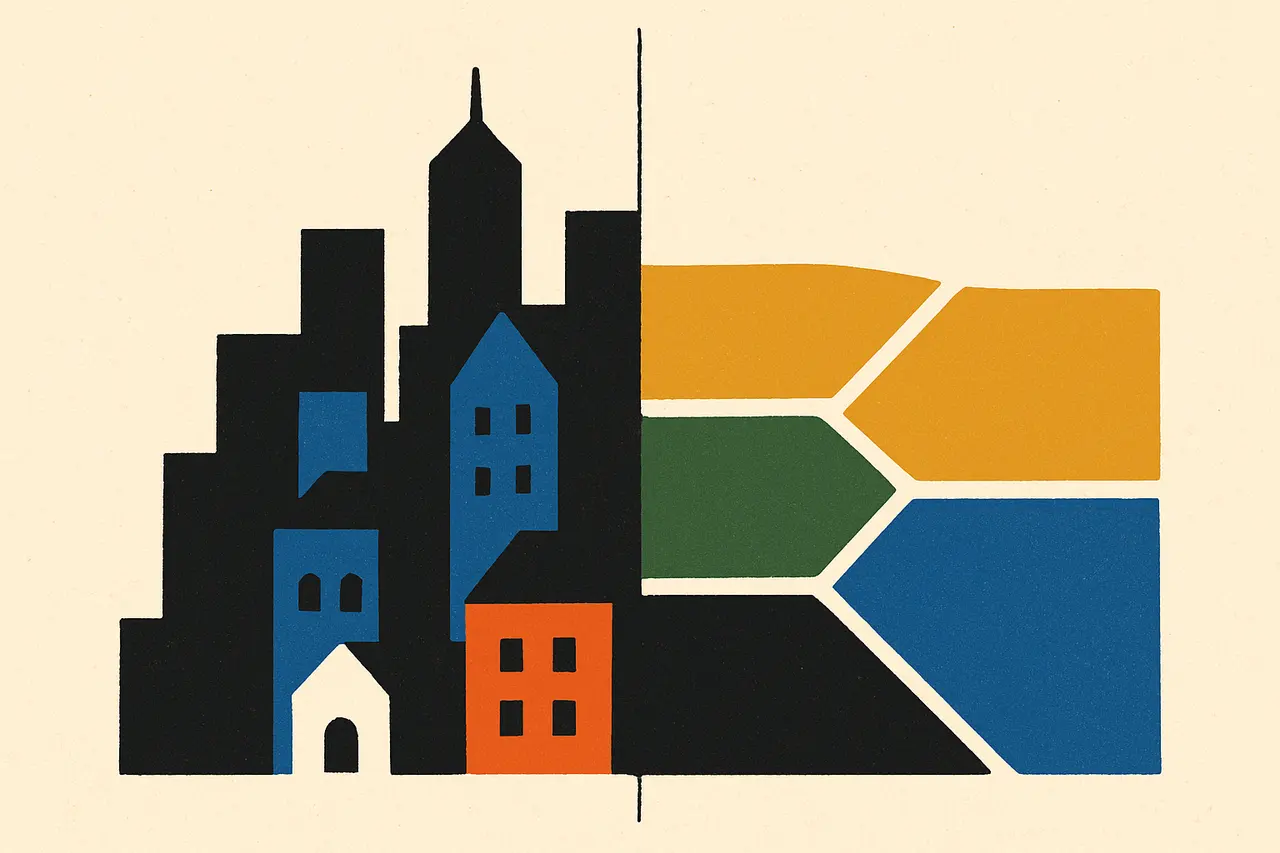
Around 2007 the world quietly became more urban than rural for the first time in history.
For almost all of human history, most people lived in the countryside. That flipped around 2007, when the UN estimates the number of people in urban areas first overtook those in rural ones.
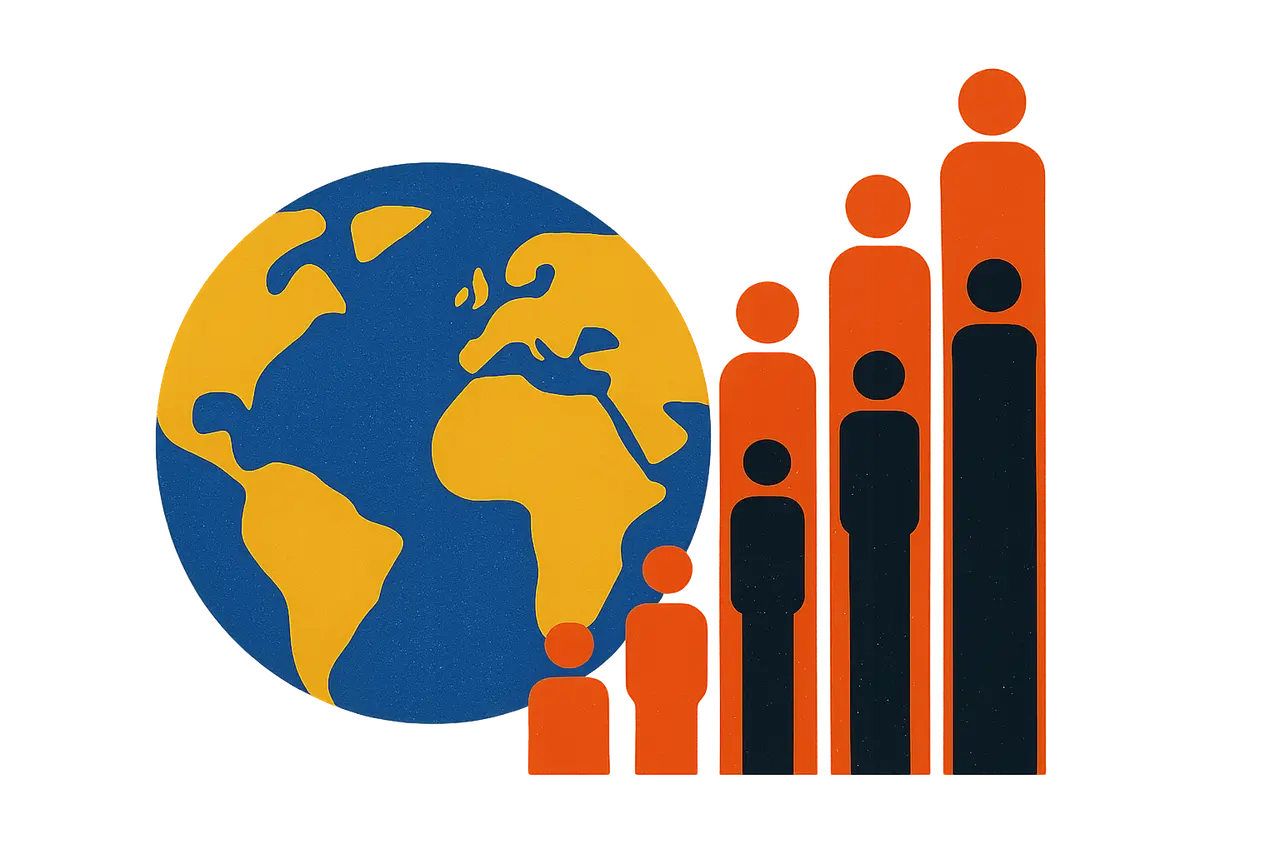
By 2018, 55% of the world’s population lived in towns and cities — more than four billion people. The UN projects this will climb to about 68% by 2050.
The shift is far from over, and it is concentrated. Urbanisation combined with overall population growth could add another 2.5 billion urban residents by 2050, with close to 90% of that increase happening in Asia and Africa.
This transition reshapes almost everything — housing, transport, energy, food systems and emissions — and explains why the future of human settlement is being decided largely in the fast-growing cities of the developing world.
Sources & references
2 referencesWell-established. Corroborated by 2 independent sources.