You inherit mitochondrial DNA only from your mother
A 2018 report said fathers could pass on mitochondrial DNA too. A study of 11,035 families found the 'paternal' signal was hiding in the nucleus.
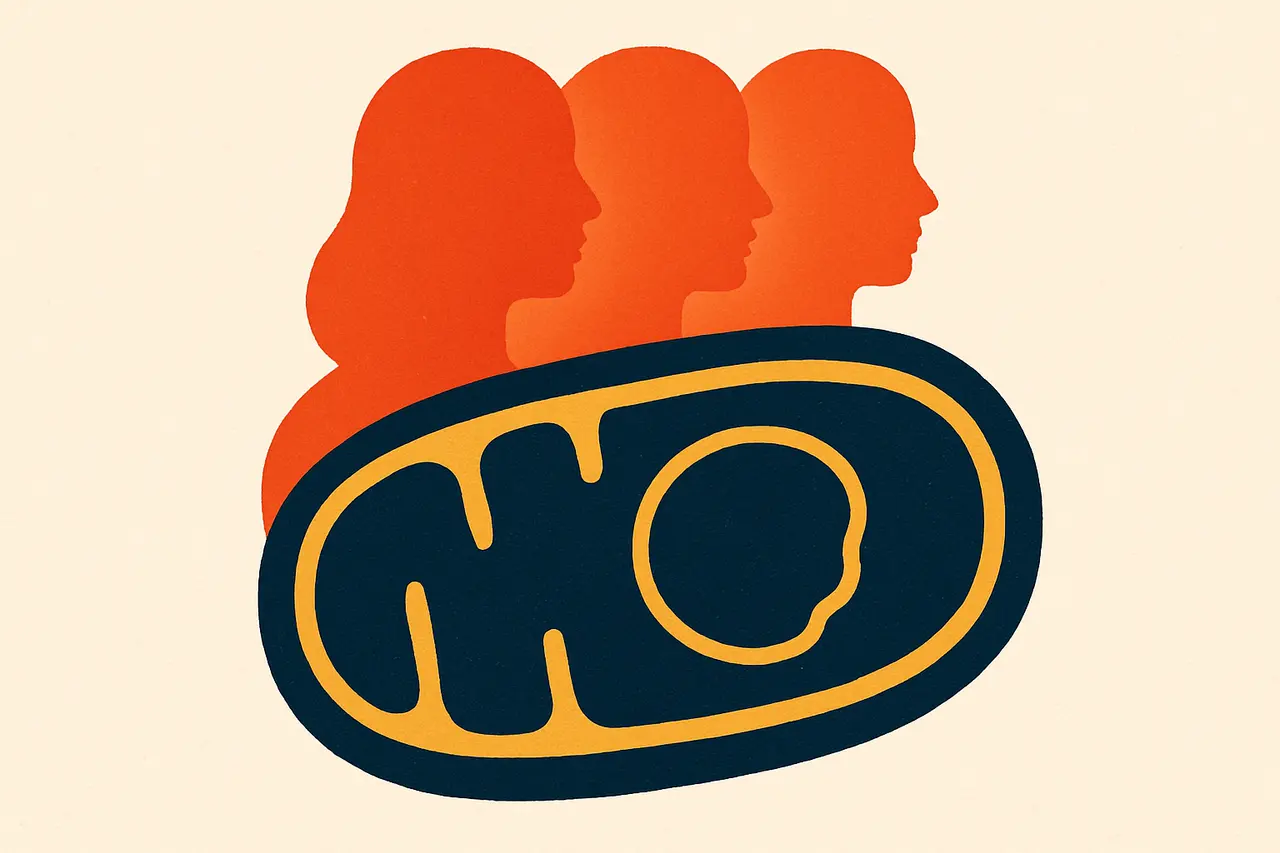
You inherit your mitochondrial DNA (mtDNA) only from your mother: a 2020 study of more than 11,000 families found no evidence that human fathers pass it on, settling a debate reopened in 2018. This small second genome sits inside the mitochondria that power your cells — about 16,500 base pairs carrying 37 genes, all essential for the mitochondria to work.
Because the egg supplies an embryo’s mitochondria, mtDNA passes down the maternal line largely unchanged, skipping the reshuffling that mixes nuclear DNA each generation. That makes it a clean record of maternal ancestry. Men carry it too; they just don’t transmit it.
Did fathers ever pass it on?
Not as far as anyone can find. In 2018, researchers described three families in which children appeared to carry mtDNA from both parents, challenging the textbook rule. A team then analysed whole genomes from 11,035 mother–father–child trios in England’s 100,000 Genomes Project and found the same signature in 7 families. In every case the father had a large, rare stretch of mitochondrial sequence embedded in his nuclear chromosomes — a “mega-NUMT” — inherited the ordinary way. The authors concluded there was no evidence of paternal mtDNA transmission in humans.
Can faulty mitochondrial DNA be kept from a child?
Largely, though not perfectly. Maternal inheritance also hands down harmful mutations: around one in 5,000 children is born with mtDNA mutations that can cause severe disease, particularly in energy-hungry tissues such as the heart, muscle and brain.
The UK legalised mitochondrial donation in 2015, becoming the first country to regulate it. In pronuclear transfer, the parents’ nuclear genome is moved into a fertilised donor egg with healthy mitochondria; the donor contributes less than 1% of the child’s genetics. In July 2025, the Newcastle team reported eight babies born this way, all without signs of mitochondrial disease. Some still carried a little of the mother’s faulty mtDNA — up to 16% in newborn blood — a known limitation of the technique.
Sources & references
5 referencesWell-established. Corroborated by 5 independent sources.