The Maastricht Treaty creates the EU
On this day · 7 February 1992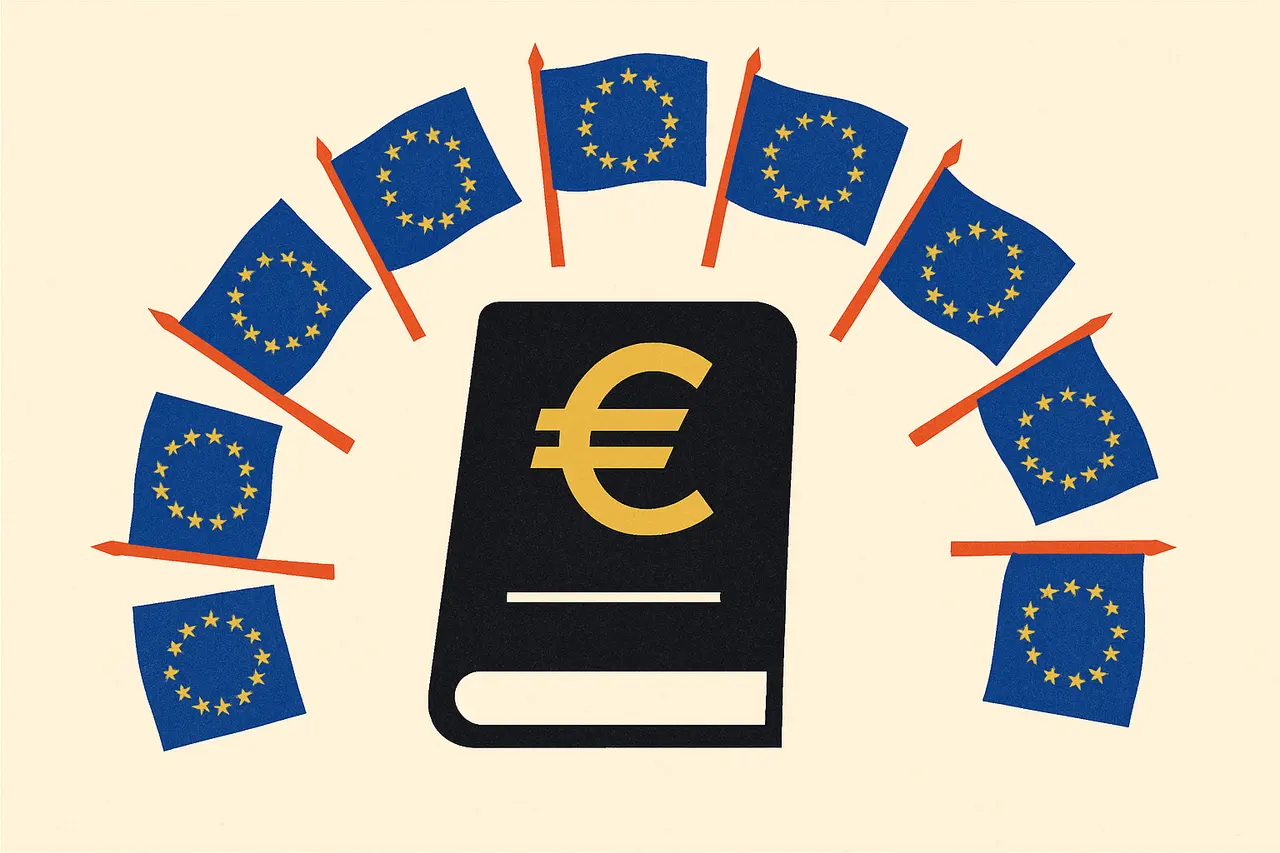
In a small Dutch city, twelve nations signed the document that turned a common market into the European Union—and put a single currency on the map.
On February 7, 1992, representatives of the twelve member states of the European Communities gathered in the Dutch city of Maastricht to sign the Treaty on European Union. The agreement formally created the European Union, knitting together economic, foreign-policy, and justice cooperation under a single roof.
More than a rebrand, the treaty announced “a new stage in the process of European integration.” It introduced a shared European citizenship and laid out the path toward a single currency, the euro, alongside common foreign and security policies.
Ratification proved bumpy: Danish voters rejected an initial referendum in 1992, and the French approved it only narrowly. The treaty finally entered into force on November 1, 1993.
The euro it set in motion would not reach people’s pockets until January 1, 2002—a decade after the ink dried at Maastricht.
Sources & references
2 referencesWell-established. Corroborated by 2 independent sources.