London cabbies' brains grow as they learn 'the Knowledge'
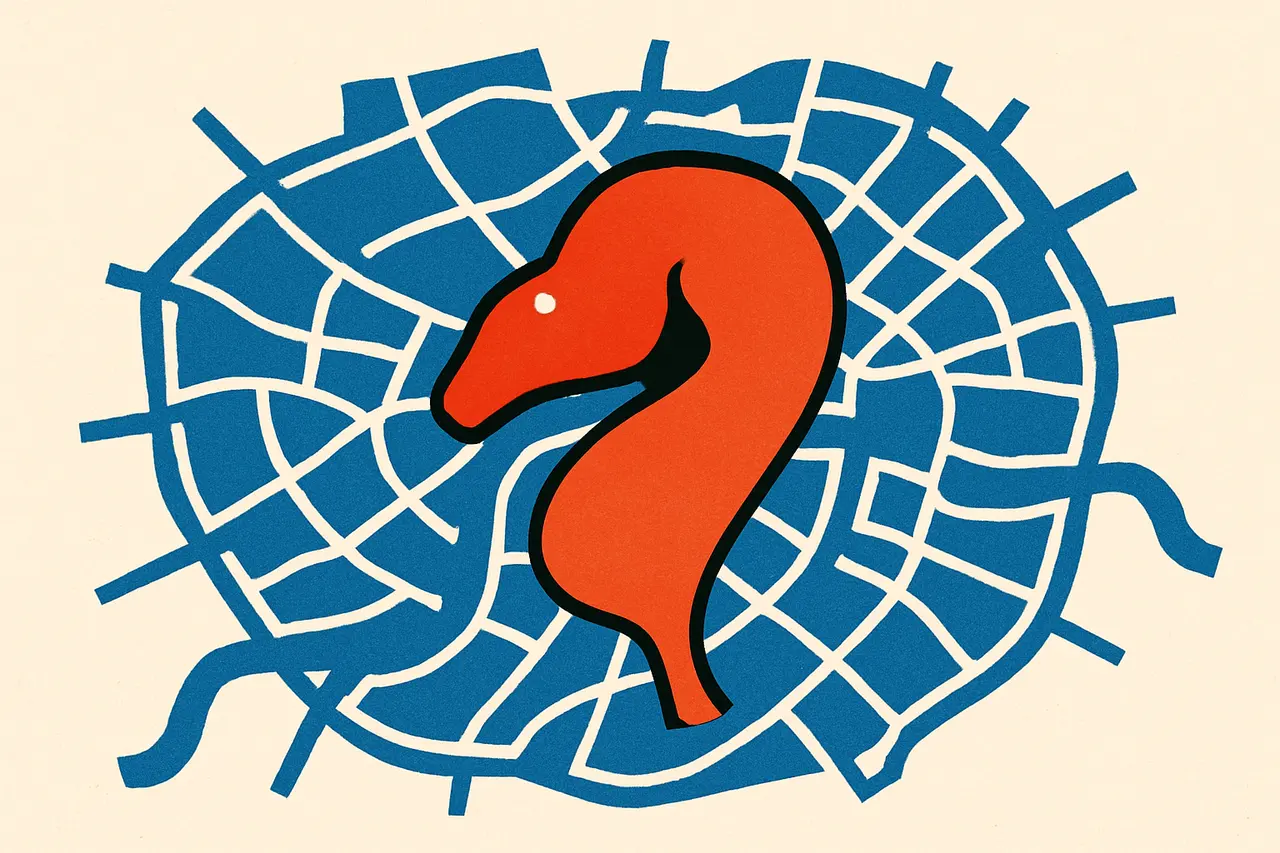
MRI studies of London taxi drivers show the hippocampus grows while they memorise 25,000 streets, but only in those who pass.
London taxi drivers have a larger posterior hippocampus, a brain region central to spatial memory, than non-drivers, and scans of trainees show it grows as they learn “the Knowledge”: about 25,000 streets within roughly 10 kilometres of Charing Cross, plus thousands of landmarks. Training takes three to four years, and only about half of hopefuls pass.
The evidence built up in stages. In 2000, neuroscientist Eleanor Maguire’s MRI study found licensed cabbies have bigger posterior hippocampi than controls, and that size tracks years spent driving a taxi. A snapshot, though, cannot show cause. In 2006, comparing cabbies with London bus drivers, who drive as much but follow fixed routes, ruled out driving and stress as the explanation: taxi drivers still had more grey matter in the mid-posterior hippocampus.
Then in 2011 Maguire and Katherine Woollett scanned 79 trainees before and after four years of study. Just 39 qualified. Only they showed a selective increase in posterior hippocampal grey matter; trainees who failed and a control group showed none.
That final study is one of the clearest demonstrations of neuroplasticity in ordinary adults: learning, not innate talent, appears to have reshaped the brain. It may come at a price. Qualified drivers did worse than controls on a test of complex visual memory, and the earlier scans had found cabbies’ anterior hippocampus smaller than other people’s.
There is also an Alzheimer’s link. In 2024, a study in The BMJ examined nearly 9 million US death certificates across 443 occupations. Taxi and ambulance drivers, whose jobs demand constant real-time navigation, had the lowest share of deaths from Alzheimer’s disease of any occupation: 1.03% for taxi drivers, against 3.88% for the population overall. Other transport jobs that rely less on real-time navigation showed no such pattern. The data are correlational, but they fit neatly with the London scans.
Sources & references
5 referencesWell-established. Corroborated by 3 independent sources.