The Patent That Riveted the World Into Blue Jeans
On this day · 20 May 1873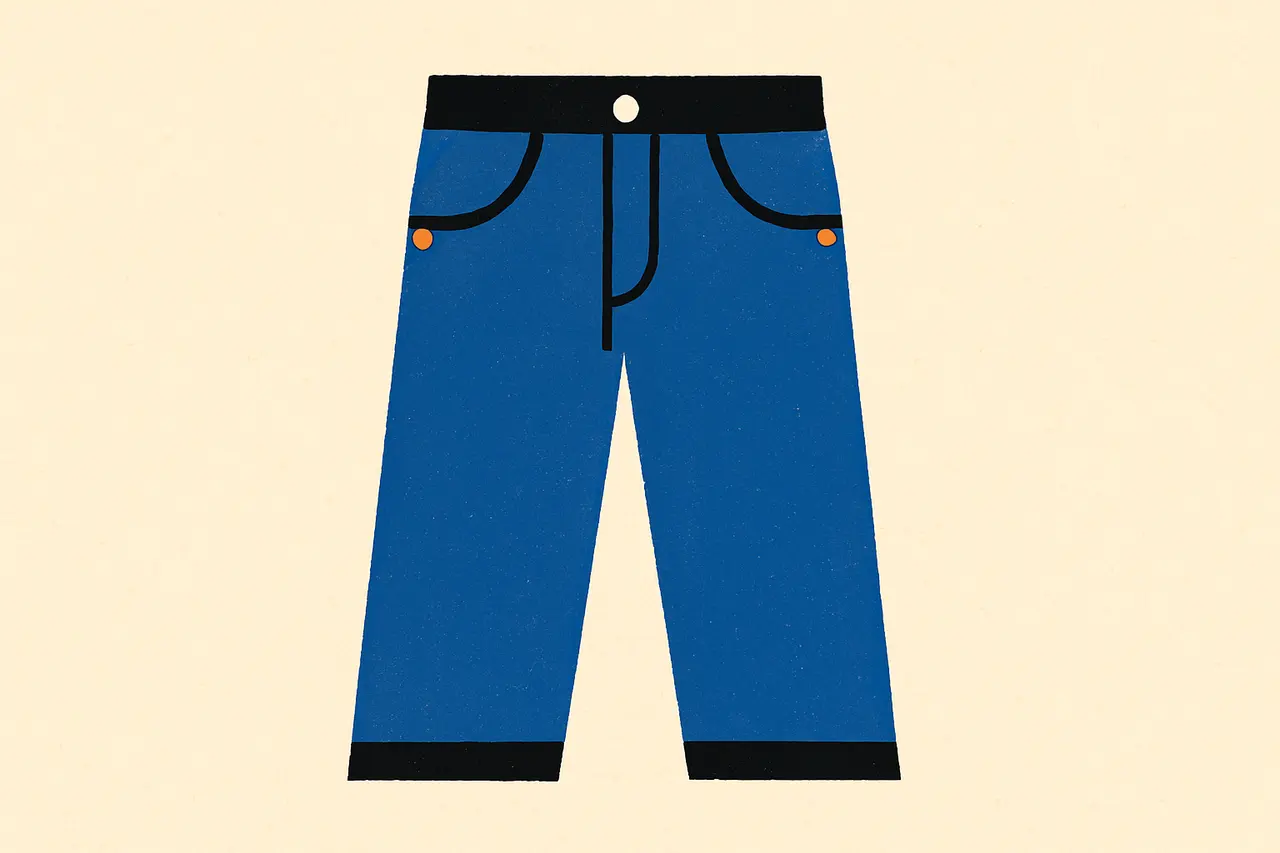
A tailor's fix for torn pockets became a partnership, a patent, and the most enduring garment in modern history.
On May 20, 1873, the U.S. Patent Office granted patent No. 139,121 for an “Improvement in Fastening Pocket-Openings.” Behind the dry title sat a small idea with enormous reach: reinforcing the strain points of work trousers with copper rivets so the seams could not rip apart under pressure.
The inventor was Jacob Davis, a Reno tailor who had been hammering metal rivets into pockets to satisfy a demanding customer. Lacking the money to file alone, he wrote to his cloth supplier, Levi Strauss, a San Francisco dry-goods merchant, proposing they patent the technique together. Strauss agreed, and the two men shared the rights.
A rivet at each corner turned disposable workwear into something that simply would not fall apart.
The patented “waist overalls” became the first blue jeans, prized by miners, ranchers, and laborers across the American West. The exclusive rights ran until the patent expired in 1890, by which time riveted denim had escaped the worksite to begin its climb toward a global wardrobe staple.
Sources & references
2 referencesWell-established. Corroborated by 2 independent sources.