Leonard Thompson, 14, was the first person given insulin
On this day · 11 January 1922
Toronto doctors injected a dying boy on 11 January 1922. The first dose barely worked; a purer one twelve days later saved him.
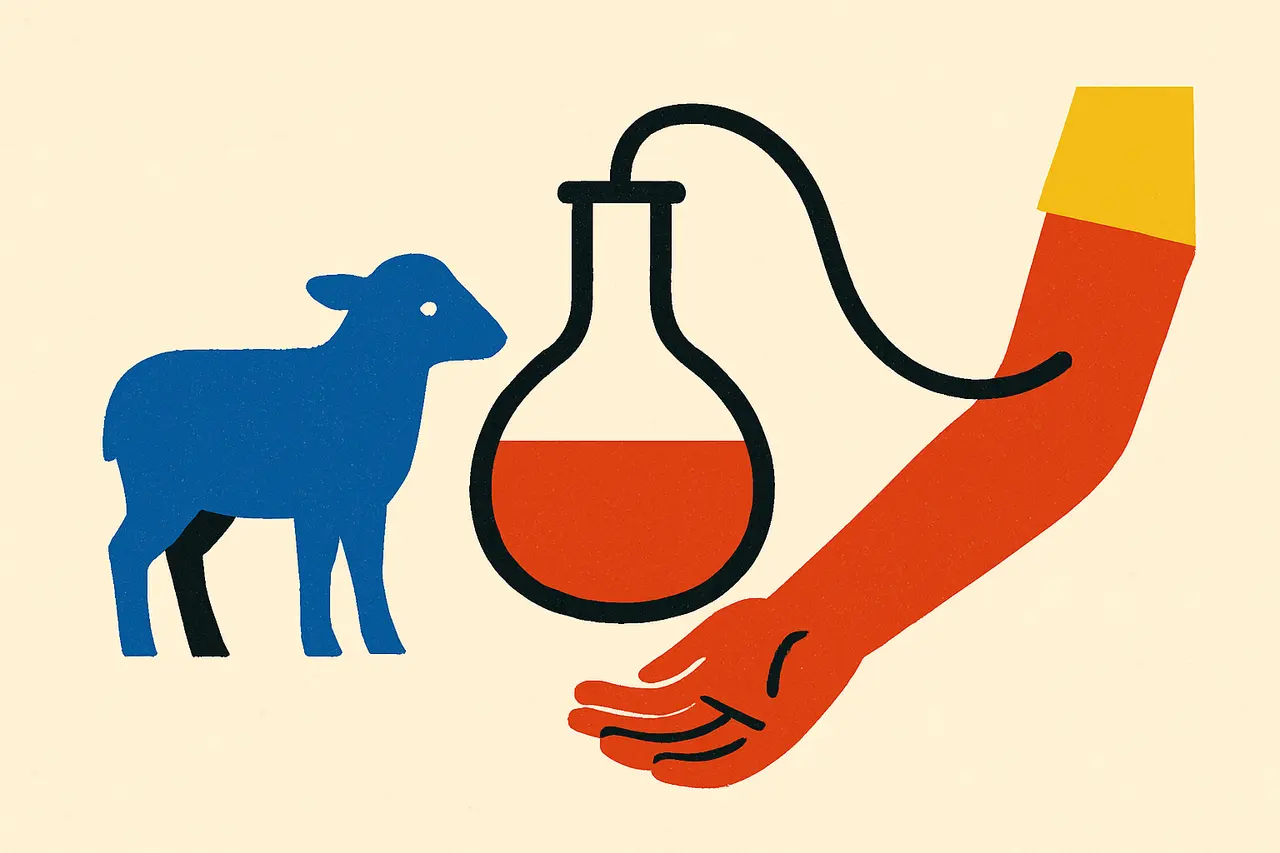
The first person treated with insulin was Leonard Thompson, a 14-year-old boy with type 1 diabetes, who was injected at Toronto General Hospital on 11 January 1922 with 15 ml of a beef pancreatic extract prepared by Frederick Banting and Charles Best. Diagnosed at 11, when diabetes was incurable, he was by then far smaller and weaker than a boy his age should be.
That first injection is often told as an instant cure. It was not: it had only a minimal effect on his blood and urine sugar, no effect on his clinical state, and left a sterile abscess. The turning point came on 23 January 1922, when biochemist James Collip supplied a purer extract. Thompson’s blood glucose returned to normal, ketones disappeared and he visibly improved — the first proof that a pancreatic extract could reverse diabetes, at least briefly.
So there are two dates for one first: 11 January marks the first dose, and 23 January the first success. Within months Thompson had recovered enough to go home. He lived 13 more years on insulin and died on 20 April 1935, aged 27.
The discoverers chose not to profit. Banting, Best and Collip sold their US patents to the University of Toronto for $1 each, and the university quickly arranged production, first with Eli Lilly, then with Connaught Labs in Canada and the Danish laboratory that became Novo Nordisk. The 1923 Nobel Prize went only to Banting and lab head John Macleod. Banting shared his half with Best, which prompted Macleod to share his with Collip.
Insulin from animal pancreases sustained patients for decades; by the 1970s Lilly needed glands from 56 million pigs and cattle a year for the US market alone. In 1982 the FDA approved Humulin, a genetically engineered human insulin and the first recombinant therapeutic protein.
Sources & references
5 referencesWell-established. Corroborated by 3 independent sources.