Humans have about 20,000 genes, far fewer than expected
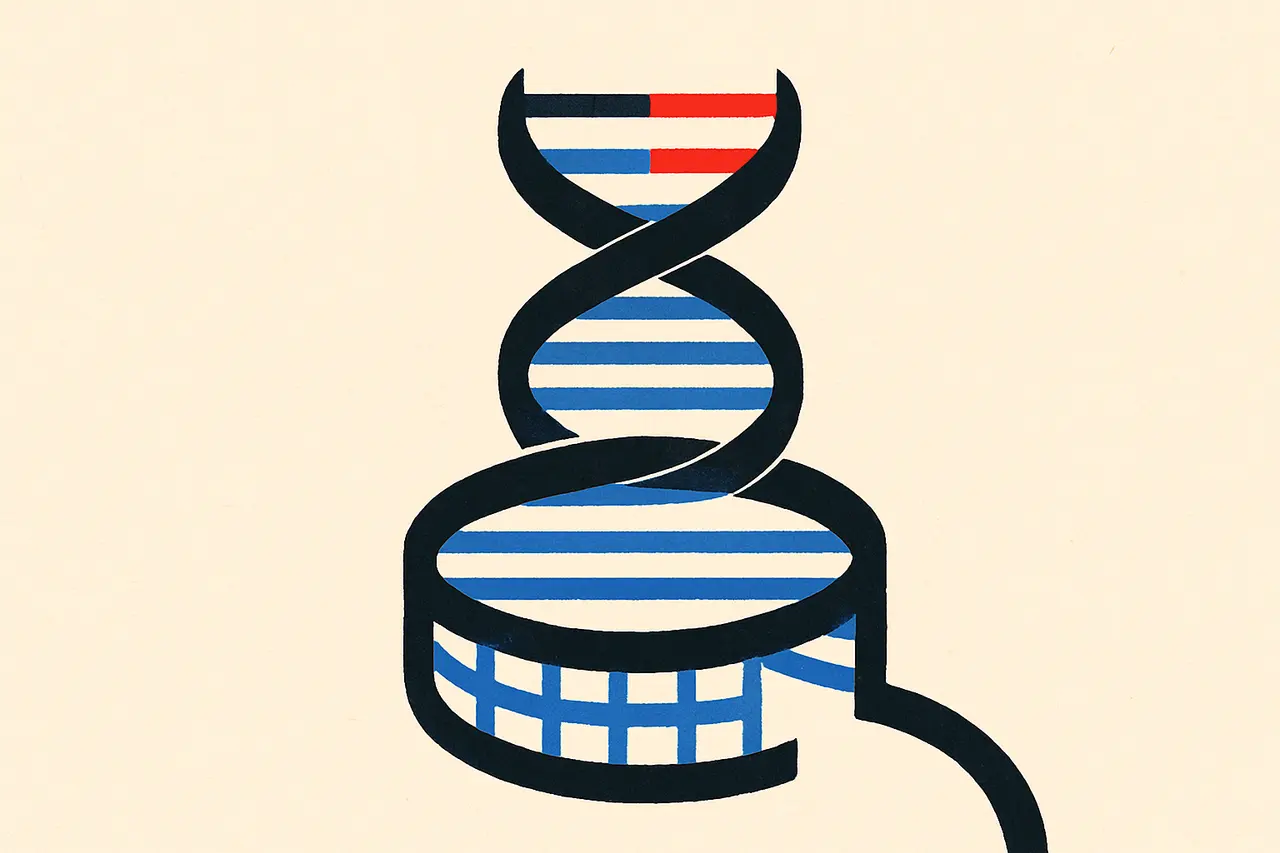
The human genome runs to about 3 billion DNA letters but holds only about 20,000 protein-coding genes, a fraction of what scientists once bet on.
The human genome is about 3 billion base pairs of DNA long but contains only around 20,000 protein-coding genes. The first essentially complete sequence, published in 2022 and gapless for every chromosome except Y, came to 3.055 billion base pairs and 19,969 predicted protein-coding genes.
Those genes take up surprisingly little space: protein-coding genes make up less than 2% of the genome. Much of the rest, once dismissed as “junk”, regulates when and where genes switch on or encodes RNA molecules that work without becoming proteins. Unwound and laid end to end, the DNA in one cell would stretch about six feet.
In 2000, while the Human Genome Project was still under way, scientists started a betting pool on the final number, called GeneSweep. By the time the project finished in 2003, more than 460 bets had been placed, some predicting over 200,000 genes. The estimates kept shrinking:
| Estimate | Protein-coding genes |
|---|---|
| Highest GeneSweep bets | over 200,000 |
| The 2001 draft sequence | 30,000 to 35,000 |
| Count when the project finished in 2003 | 24,847 |
| Later analysis | 20,000 to 25,000 |
| Telomere-to-Telomere sequence, 2022 | 19,969 |
The GeneSweep winner, Lee Rowen of the Institute for Systems Biology, guessed 25,947, closest to the 24,847 genes counted at the time. NHGRI noted that the 2001 draft figure was about a quarter of what had previously been thought and only a few thousand more than the tiny roundworm C. elegans.
Even the “finished” 2003 sequence was not truly complete: it covered about 92% of the genome, leaving the hardest repetitive stretches unread. The Telomere-to-Telomere consortium filled the remaining gaps (on every chromosome except Y) in 2022, producing the 3.055-billion-letter sequence. Human complexity, it turns out, comes less from the number of genes than from how they are controlled.
Sources & references
5 referencesWell-established. Corroborated by 3 independent sources.