Göbekli Tepe is 6,000 years older than Stonehenge
Hunter-gatherers raised its carved pillars from about 9500 BC. Newer digs show it was a lived-in settlement, not just the 'first temple'.
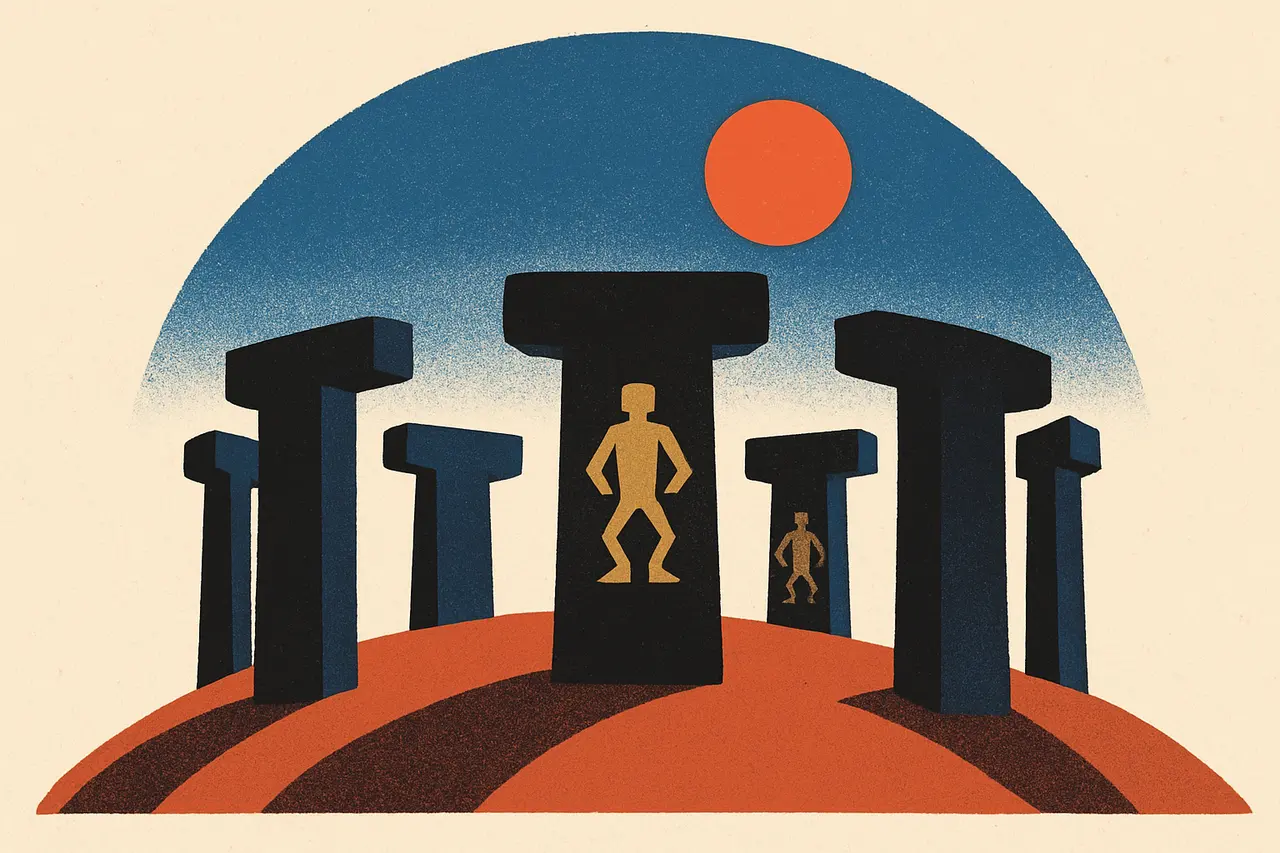
Göbekli Tepe, a hilltop site in south-eastern Türkiye, was built by late hunter-gatherers from about 9500 BC, before pottery, metal or farmed crops existed. Its carved T-shaped limestone pillars, the tallest 5.5 metres high, are more than 6,000 years older than Stonehenge.
Klaus Schmidt and colleagues spotted it during a survey in 1994, and excavation began in 1995. The German Archaeological Institute (DAI) has dug there ever since. Its round and oval enclosures belong to the Pre-Pottery Neolithic, roughly 9500 to 7750 BC. That is the period when people in the region were moving from foraging towards the first farming of wheat in the Fertile Crescent.
Was it really the world’s first temple?
Probably not, at least not only a temple. For its first 20 years of excavation, Göbekli Tepe was read as a ritual site or “mountain shrine”, visited by foragers but not lived in. This is the version most popular articles still repeat. More recent digging has changed that picture. According to the DAI, the project has now found clear evidence of domestic activity and signs of a permanent settlement. The excavators now describe Göbekli Tepe as a settlement with a strong ritual side, not a pilgrimage temple in empty country. The big decorated pillars stand in what the team calls “special buildings”, next to the houses of the people who built them.
How much older than Stonehenge is it?
The gap depends on which Stonehenge you mean. English Heritage dates the first earthwork henge to about 3000 BC, and the famous stone settings to about 2500 BC. So Göbekli Tepe’s first enclosures are about 6,500 years older than the henge and roughly 7,000 years older than the standing stones.
Finds are still coming. In 2023 the team found a life-size limestone wild boar statue, 1.35 metres long, in one of the special buildings. Its tongue was still red, with traces of black and white paint elsewhere on the body. The site is now on the UNESCO World Heritage List.
Sources & references
4 referencesWell-established. Corroborated by 3 independent sources.