Fever is your brain raising its thermostat on purpose
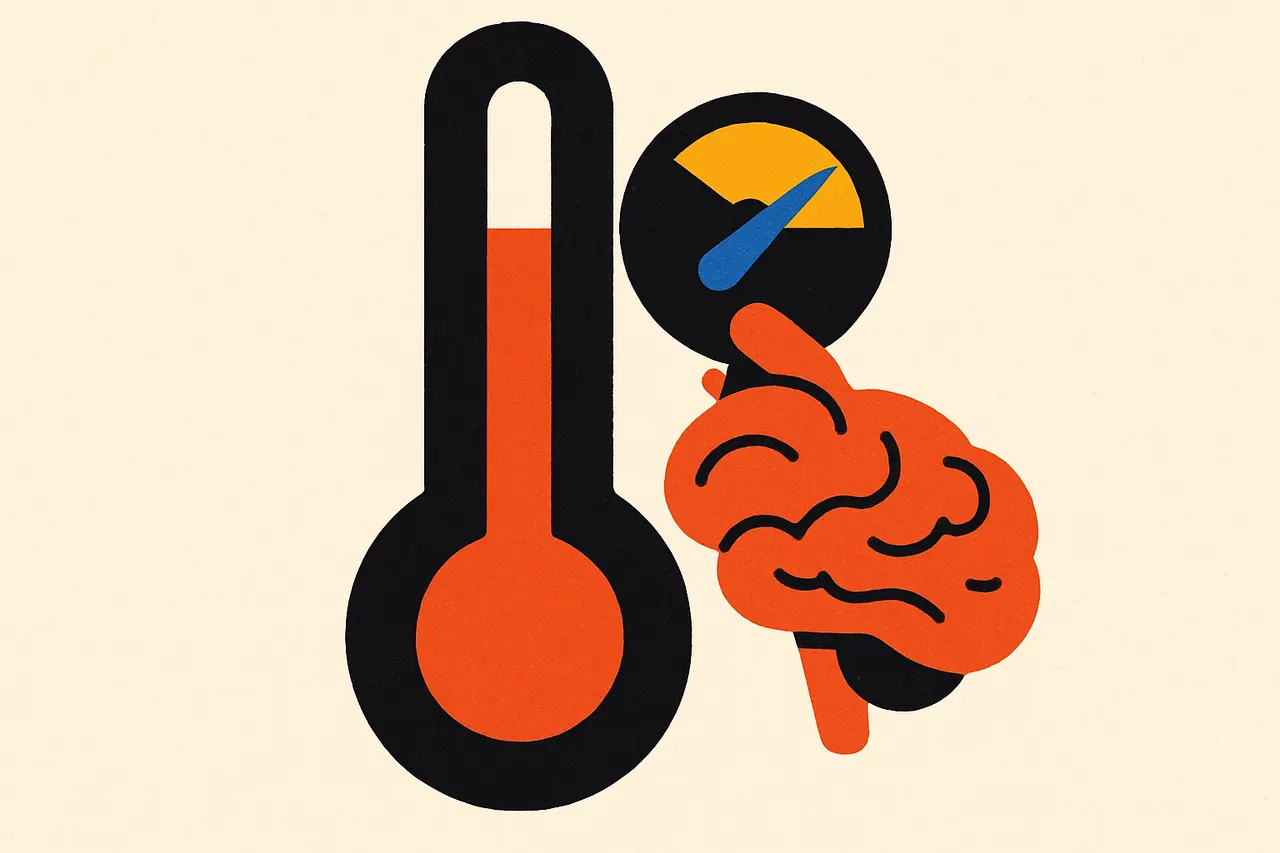
A fever isn't the infection overheating you: your hypothalamus deliberately raises its set point, and patients who can't do it fare worse.
A fever is your brain deliberately raising the body’s thermostat. During an infection, immune signals push the set point of the hypothalamus upward, and the body heats itself until it reaches the new target. The germs don’t cause the heat; your own temperature control does.
The chain starts when immune cells detect an invader and release pyrogens, including cytokines such as IL-1 and IL-6. These trigger prostaglandin E2 in the brain’s temperature-control centre. Convinced the body is now too cold, the brain narrows blood vessels in the skin to save heat and may set the muscles shivering to make more. When the set point falls again, as the infection clears or a fever reducer takes effect, you sweat and flush to dump the excess heat.
That is what separates fever from heatstroke: in heatstroke the thermostat is never reset; the body simply overheats past its normal target, a state doctors call hyperthermia.
Is 37 °C really normal?
Not quite. The famous 37 °C (98.6 °F) comes from Carl Wunderlich, who in 1851 compiled millions of armpit readings from 25,000 patients in Leipzig. Modern measurements run lower: an analysis of almost 250,000 readings from British patients found a mean oral temperature of 36.6 °C. A 2020 study of three U.S. cohorts found average body temperature has fallen by about 0.03 °C per birth decade since the 1800s. Intensive care guidelines define fever as a core temperature of 38.3 °C or more.
Does a fever help fight infection?
Often, yes. Higher temperatures can slow bacteria that cope poorly with heat and stimulate parts of the immune response. Among elderly patients with pneumonia, 29% of those who did not develop a fever died, against 4% of those who did.
The benefit has limits: above about 40 °C, mortality in sepsis rises again.
Sources & references
6 referencesWell-established. Corroborated by 3 independent sources.