All living humans share one African maternal-line ancestor
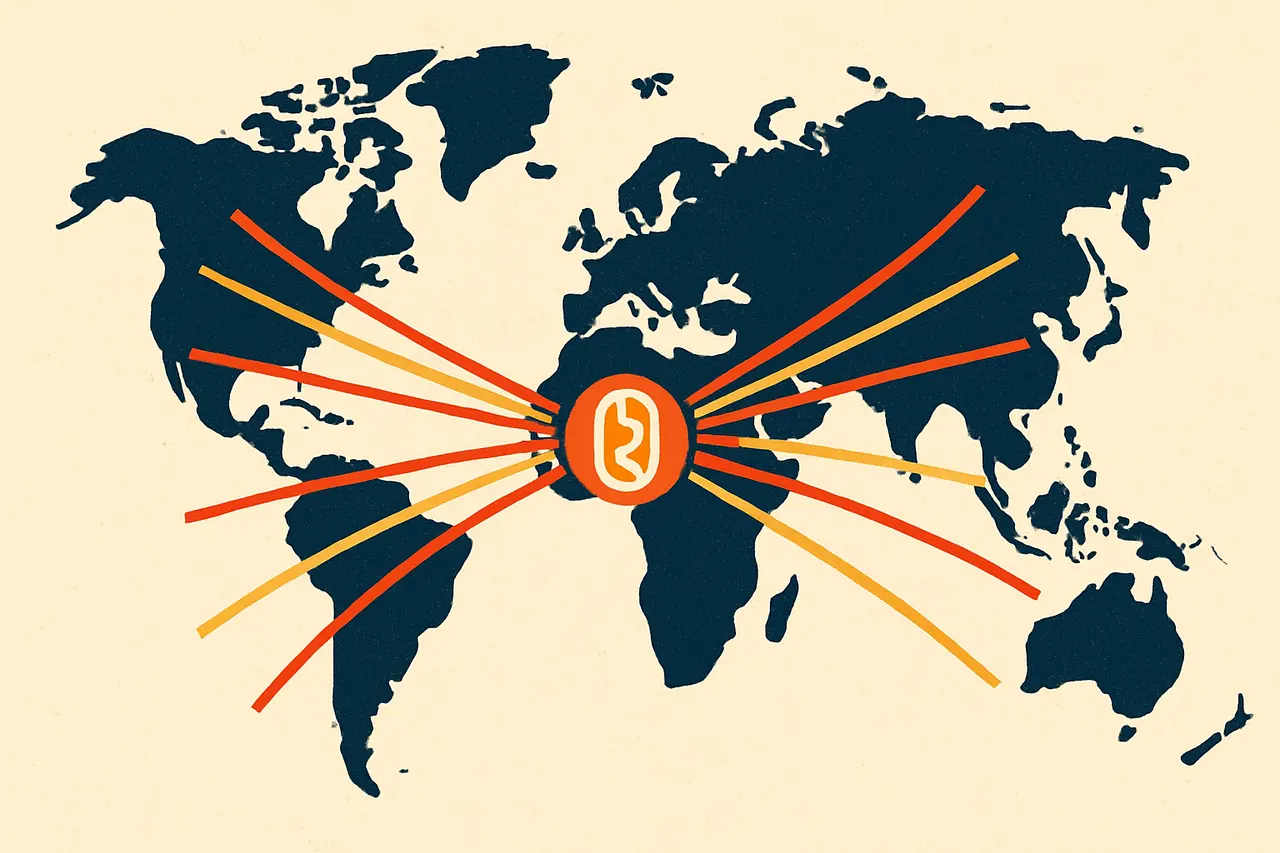
Every living person's line of mothers leads back to one African woman, Mitochondrial Eve; estimates of when she lived run from 100,000 to 200,000 years ago.
Every person alive today descends, through an unbroken line of mothers, from a single woman who lived in Africa, the ancestor geneticists call Mitochondrial Eve. Published estimates of when she lived range from roughly 100,000 to 200,000 years ago.
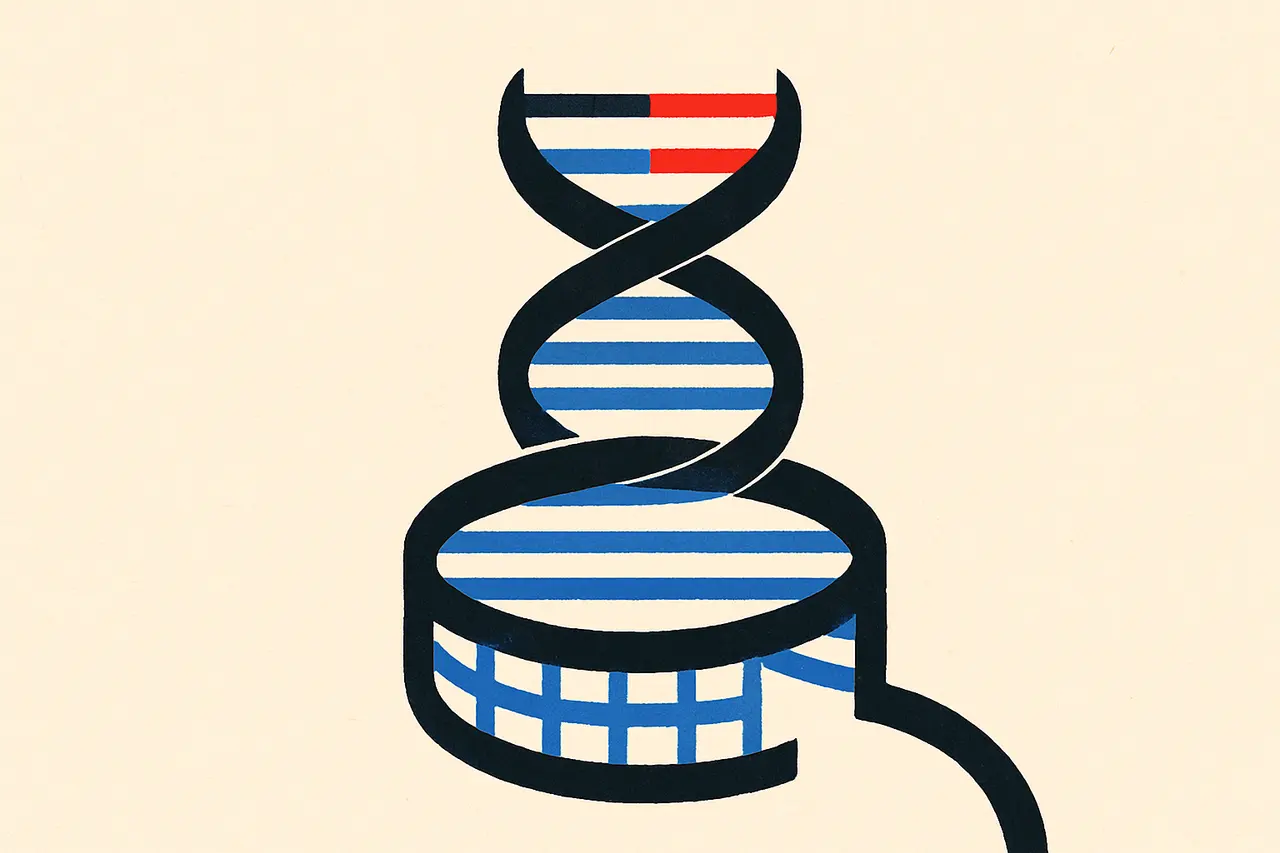
The evidence comes from mitochondrial DNA, the small ring of DNA inside the cell’s power plants. Children inherit it from their mother, and because it is not reshuffled with the father’s DNA, it records a single maternal thread. Trace those threads back for everyone on Earth and they converge on one woman.
The estimate has moved over time. In 1987, Rebecca Cann, Mark Stoneking and Allan Wilson compared mitochondrial DNA from 147 people and concluded it all stemmed from one woman who lived about 200,000 years ago, probably in Africa. A 2010 statistical re-analysis at Rice University supported a date of about 200,000 years. In 2013 a Stanford-led study put her between 99,000 and 148,000 years ago; other analyses give about 145,000.
Much of the spread comes from how researchers convert DNA differences into years. The Stanford team, for example, calibrated its Y-chromosome mutation rate against a known event, the settlement of the Americas about 15,000 years ago.
The name invites three misunderstandings. She was not the first woman, nor the only woman of her time: others alive then have descendants today, but their purely maternal lines eventually reached a generation without daughters and ended. She was not the partner of Y-chromosomal Adam, the most recent common ancestor of men’s Y chromosomes; the same Stanford study dated him to 120,000–156,000 years ago, overlapping with her range, yet the researchers called it extremely unlikely the two were exact contemporaries. And she is a statistical meeting point, not a founder: she simply happens to be the woman every surviving maternal line passes through.
Sources & references
5 referencesWell-established. Corroborated by 5 independent sources.