Britain and France declared war on Russia on 28 March 1854
On this day · 28 March 1854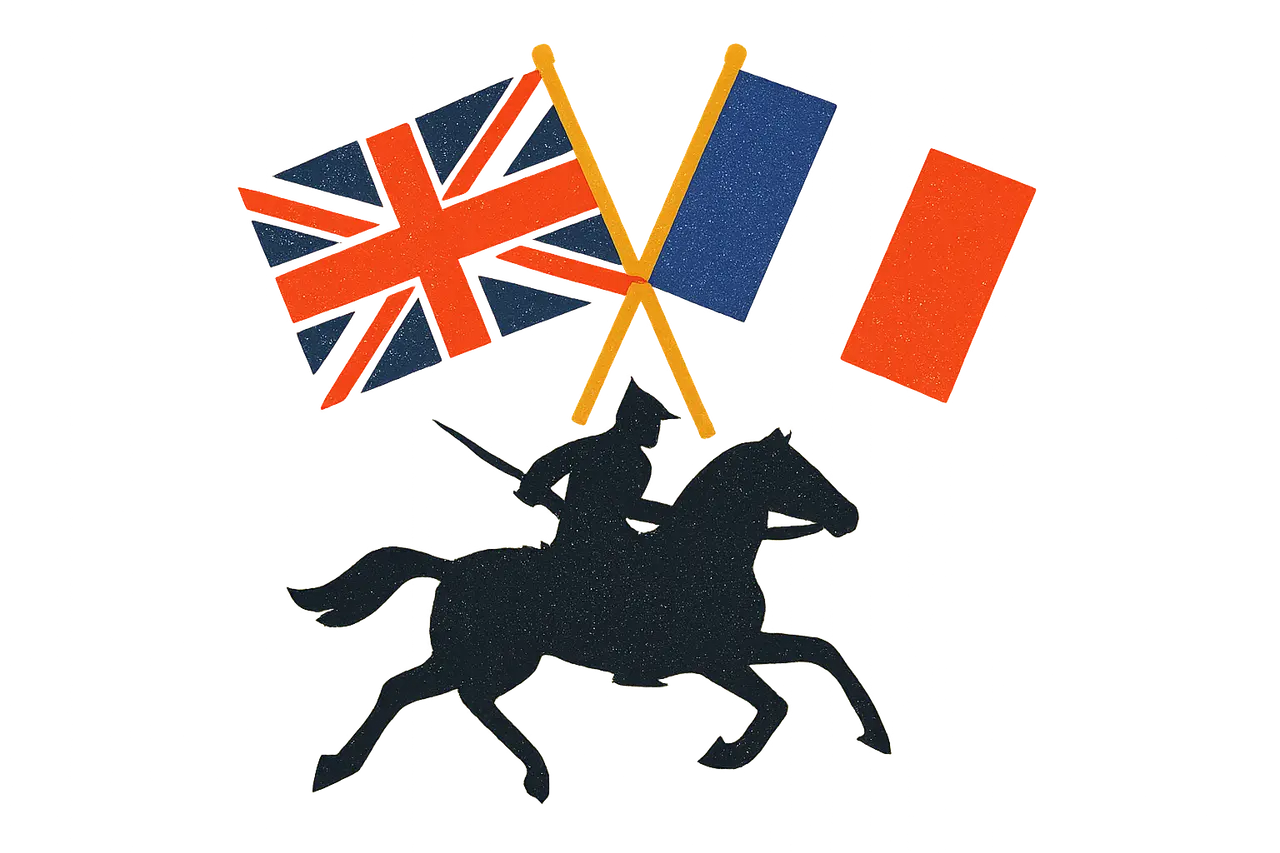
Joining the Ottomans in the Crimean War, the allies fought on after the pretext vanished — and lost far more men to disease than to battle.
Britain and France declared war on Russia on 28 March 1854, joining the Ottoman Empire in the Crimean War that Russia and the Ottomans had been fighting since October 1853. The day before, Queen Victoria’s message to Parliament announced that negotiations with the Tsar “have terminated” and that she felt bound to give “active Assistance to Her Ally The Sultan”.
Why did Britain go to war for the Ottoman Empire?
Britain went to war less for the Ottomans than to stop Russia. The spark was a quarrel between Tsar Nicholas I and Sultan Abdulmejid I over who protected Orthodox Christians in Ottoman lands. The war itself began with Russia’s occupation of the Danubian principalities of Moldavia and Wallachia (now Romania). London and Paris saw a chance to check Russian expansion toward the Mediterranean, and the Queen’s message framed the aim as protecting the Sultan’s dominions “against the Encroachments of Russia”.
Ironically, the original pretext had largely evaporated within months. After an Ottoman victory at Silistria and Austrian pressure, Russia pulled out of the principalities in summer 1854. The allies went on regardless, landing about 60,000 British, French and Ottoman troops in the Crimea that September to besiege the naval base at Sevastopol.
Was the Charge of the Light Brigade the war’s great killer?
No. The famous charge at Balaklava on 25 October 1854 cost 247 of 673 cavalrymen killed or wounded — a terrible rate, but a small share of the dead. Disease killed far more. Short of shelter, clothing and transport, the British army was reduced to about 12,000 effective men by February 1855.
The hospitals were worse. At Scutari the death rate rose to 42 per cent by February 1855 — three months after Florence Nightingale arrived — and fell only when a sanitary commission repaired the sewers and ventilation. Nightingale’s lasting weapon was her post-war statistics, which showed that more soldiers had died of disease than of wounds.
The war ended with the Treaty of Paris in March 1856, after Austria threatened to join the allies.
Sources & references
4 referencesWell-established. Corroborated by 3 independent sources.