The Antikythera mechanism was a Greek gear-driven computer
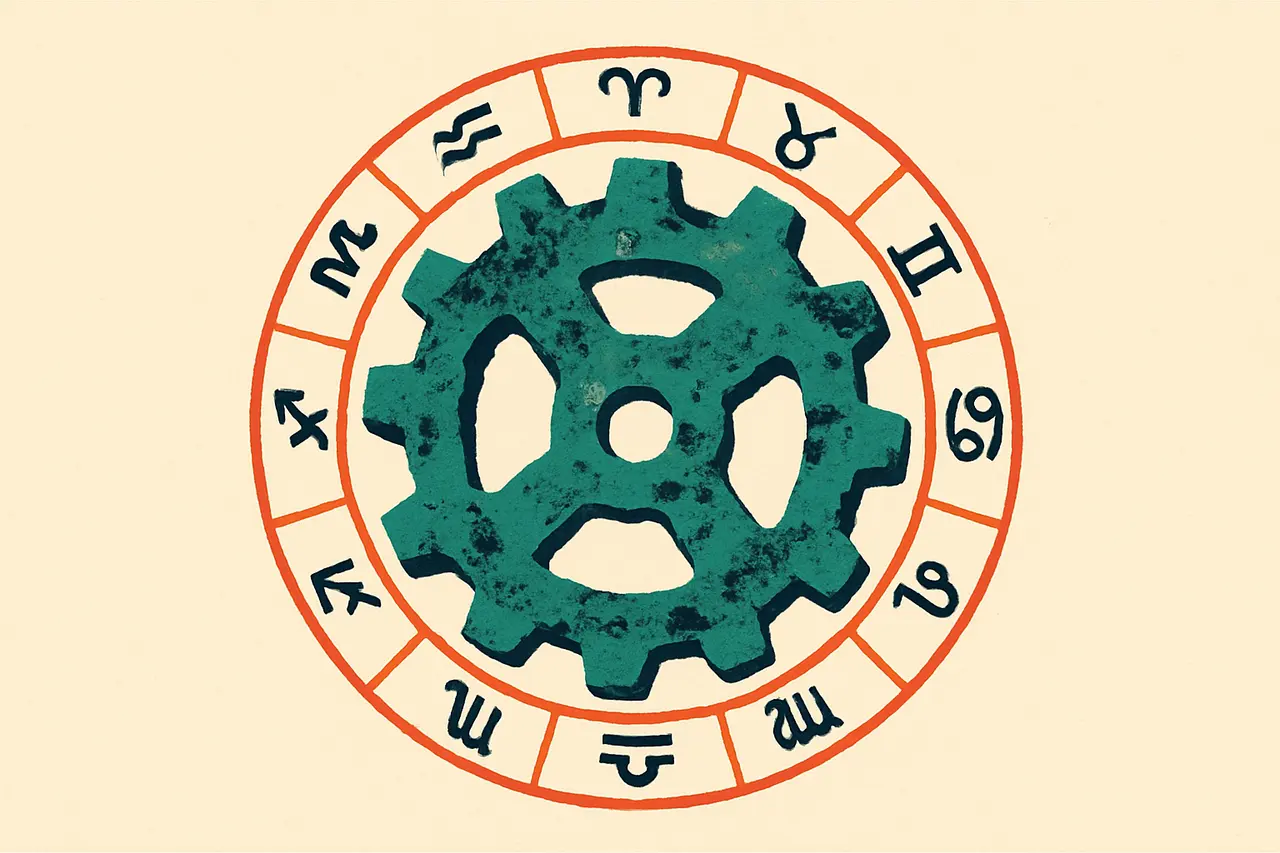
Only a third of the 2,100-year-old bronze calculator survives — and in 2024 its calendar ring turned out to track the Moon, not the Sun.
The Antikythera mechanism is a hand-cranked bronze gear calculator made in the Greek world in the 2nd century BC that modelled the movements of the Sun, Moon and planets and predicted eclipses. It was recovered in 1900–1901 by sponge divers from a freighter that sank off the island of Antikythera between 75 and 50 BC, and it is now in the National Archaeological Museum in Athens.
What survives is a fraction of the machine. It lies in 82 fragments — about a third of the original — holding 30 corroded gearwheels. Most of what is written about it is therefore reconstruction, and the reconstruction keeps changing:
- 1974: Physicist Derek de Solla Price publishes Gears from the Greeks, proposing lost gearing for the planets but not attempting to rebuild it.
- 2005: X-ray CT scans and surface imaging of all 82 fragments reveal thousands of tiny inscribed letters and solve the back of the device: a Saros dial for eclipse prediction and a pin-and-slot gear pair that reproduces the Moon’s changing speed.
- 2021: A UCL-led team publishes the first model of the front display that matches all the physical evidence — rings for the Moon, Sun and the five planets known in antiquity, with Venus geared to a 462-year cycle.
- 2024: University of Glasgow astronomers, using statistics built for gravitational-wave data, find the calendar ring most likely had 354 holes — a lunar year — rather than the 365 of the Egyptian solar calendar.
The gearing behind the eclipse dial is firmly established, but the planetary display on the front remains conjectural, because almost none of its gears survive.
Who designed it is unknown. The museum links its technology to the successors of Archimedes and to the school of Poseidonios on Rhodes. Its design combines cycles from Babylonian astronomy with Greek mathematics and astronomical theory — the tradition that also produced scribes who tracked Jupiter with a trapezoid.
Sources & references
4 referencesWell-established. Corroborated by 4 independent sources.