Algeria won independence on 3 July 1962 but celebrates 5 July
On this day · 3 July 1962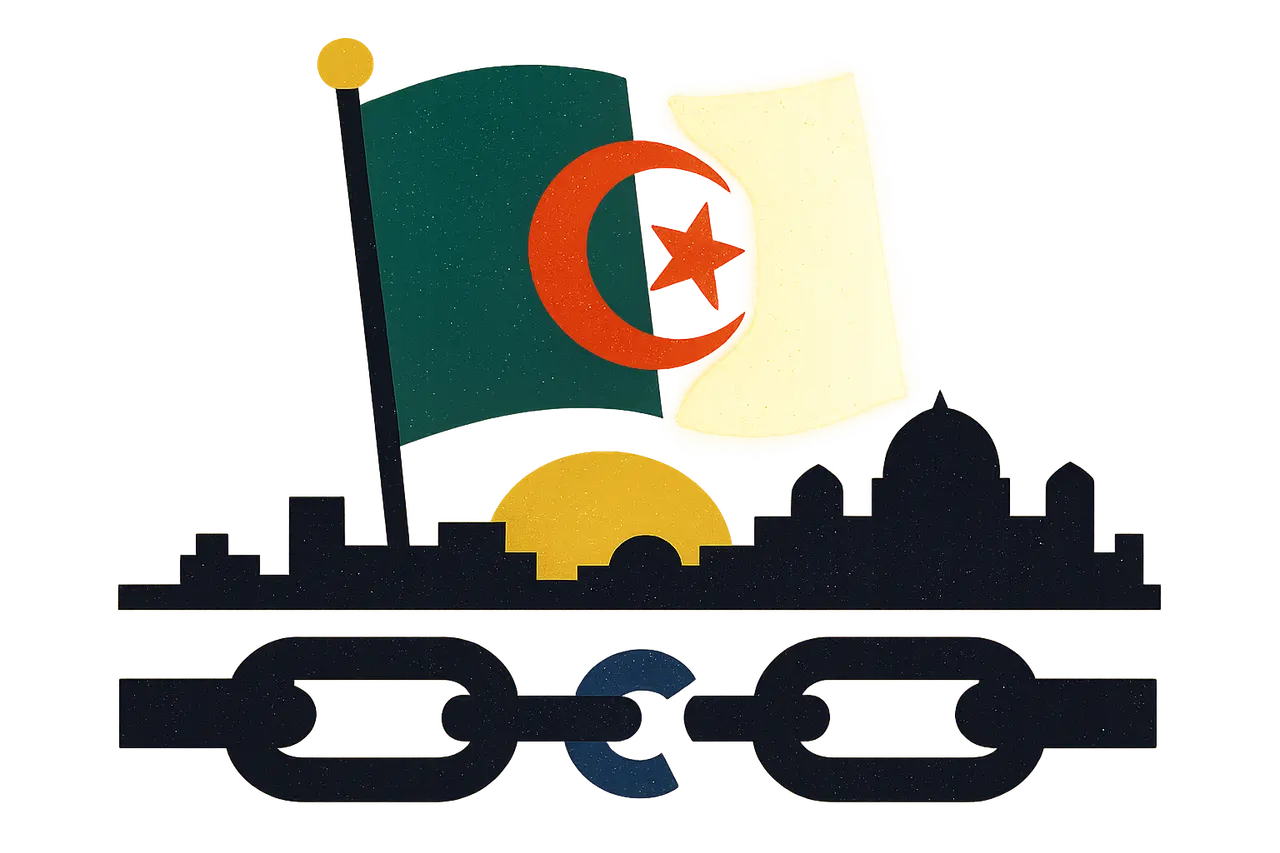
France recognised Algeria on 3 July 1962; Algeria chose 5 July instead, the anniversary of the day French troops entered Algiers in 1830.
Algeria became independent on 3 July 1962, when France’s President Charles de Gaulle recognised it as a sovereign state two days after Algerians voted for independence, yet the country celebrates on 5 July, a date picked to overwrite 1830.
The vote on 1 July 1962 ratified a settlement already made. Some 6 million of about 6.5 million registered voters took part, almost all voting yes. They were endorsing the Évian Accords between France and the National Liberation Front (FLN), which had brought a ceasefire on 19 March 1962 after nearly eight years of war and were approved by French voters in a referendum on 8 April.
Algeria’s Provisional Executive then proclaimed 5 July as the day of national independence because it was the 132nd anniversary of the French entry into Algiers in 1830. The anniversary of conquest became the anniversary of liberation.
How many people the war killed is still disputed, and the figures have become political:
| Who counted | Estimated war dead |
|---|---|
| FLN, 1962 | 300,000 |
| French officials | 350,000 |
| Algerian government figure | 1 million |
The British historian Alistair Horne judged that the real toll was far higher than the original FLN and French estimates, but short of the million adopted by the Algerian state.
The European exodus was just as lopsided. Évian promised settlers three years of equal legal protection, but a terror campaign by the French settler-army group, the OAS, made coexistence impossible. In June 1962 alone more than 350,000 European settlers left, and fewer than 30,000 chose to remain in independent Algeria. Ahmed Ben Bella became the new republic’s first leader, and France’s 132-year rule, under which Algeria had been administered as part of France itself rather than as a colony, ended in a matter of weeks.
Sources & references
3 referencesWell-established. Corroborated by 3 independent sources.