A Fungus Turns Ants Into Zombies and Aims for Noon
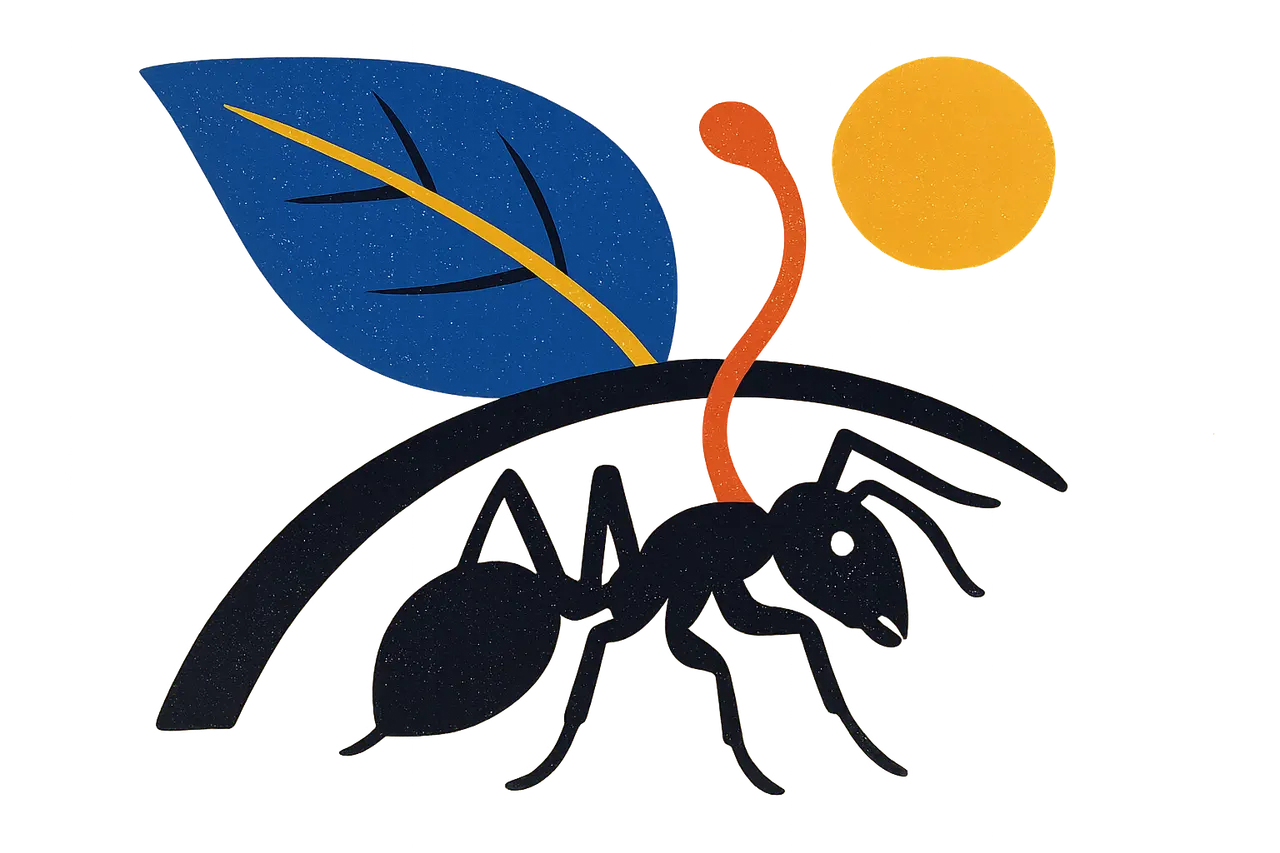
A parasitic fungus hijacks a carpenter ant, marches it to a leaf, and forces a fatal bite synchronized to solar noon.
In the rainforests of Thailand, the fungus Ophiocordyceps unilateralis turns the carpenter ant Camponotus leonardi into a puppet. Infected ants abandon their canopy nests, wander erratically, then climb down to understory leaves and clamp their jaws onto a vein on the underside of the leaf.
This is the death grip. The mandibles bite so deeply that researchers found 98% of ants locked onto a major leaf vein, with the jaw muscles atrophied so the bite can never release. The ant dies anchored in place, and days later a fungal stalk erupts from its head to rain spores onto the colony’s foraging trails below.
The transitions to the death grip were “abrupt and synchronized around solar noon.”
Perhaps the eeriest detail is the timing. In a 2011 study, scientists tracked infected ants and found the fatal bites clustered around midday: the sun sat at an average elevation of about 80° when ants bit down, close to the day’s peak. Penn State researchers argue this place and time are optimal for the fungus to grow and reproduce.
Sources & references
2 referencesWell-established. Corroborated by 2 independent sources.