Zoroastrianism is among the world's oldest enduring monotheistic faiths
Good Thoughts, Good Words, Good Deeds - and a cosmic battle between light and darkness that may have shaped Judaism, Christianity and Islam.
Founded in ancient Persia by the priest Zarathustra — known to the Greeks as Zoroaster — Zoroastrianism is one of the oldest religions still practiced today. Scholars place his dates anywhere from around 1500–1000 BCE to the 6th century BCE, but the faith clearly predates Christianity and Islam.
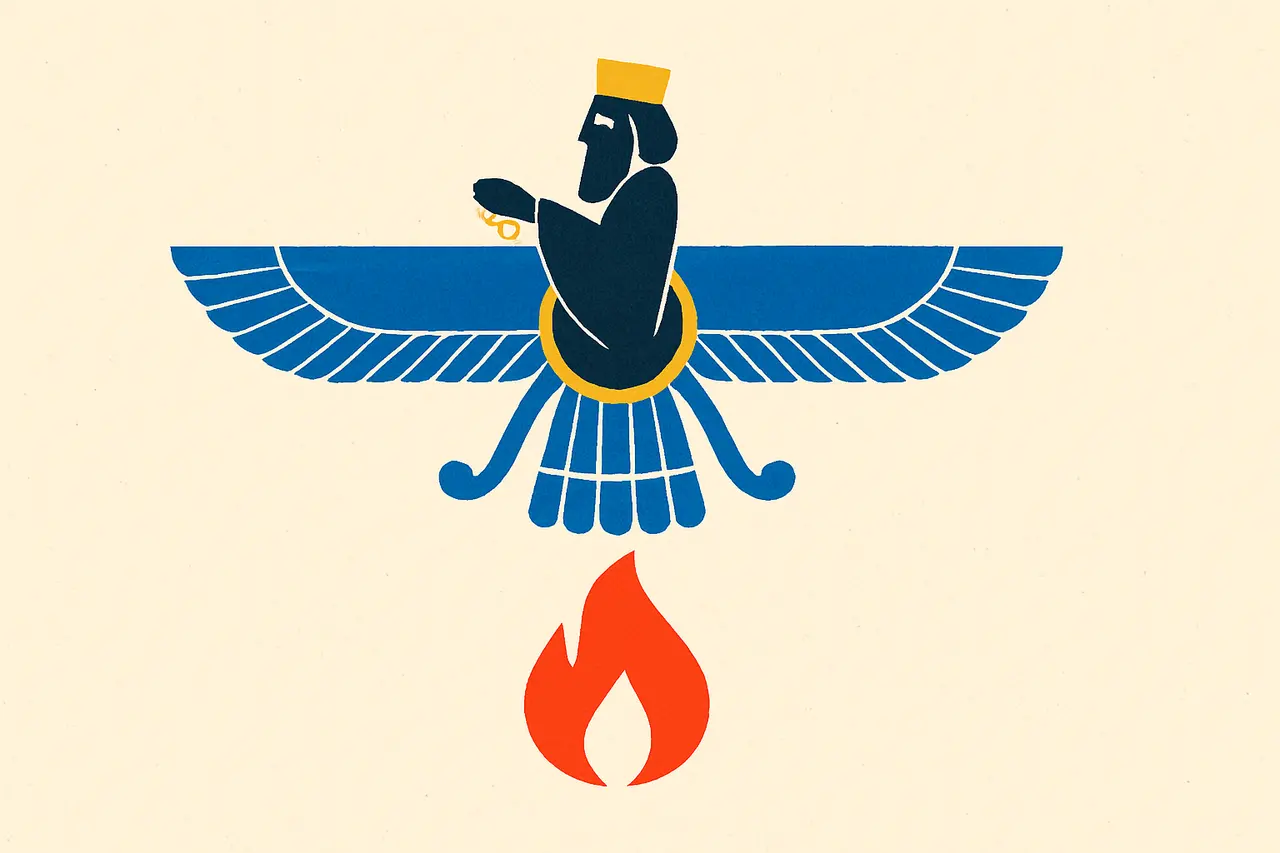
At its center is a single, wholly good creator god, Ahura Mazda (“Lord of Wisdom”). Against him stands the destructive spirit Angra Mainyu, and existence is framed as a cosmic struggle between light and darkness in which every person has free will to choose a side. Believers sum up their duty in one formula: Good Thoughts, Good Words, Good Deeds.
Fire is the faith’s most famous emblem, and its most misunderstood. The eternal flame kept in a fire temple — the highest grade is an Atash Behram — is a symbol of Ahura Mazda’s purity and light, not a god to be worshipped; Zoroastrians are not, despite the cliché, “fire-worshippers.” That obsession with ritual purity also explains the Towers of Silence (dakhma), where the dead were laid out to be stripped by vultures so as not to defile the sacred elements of earth, fire, or water.
When Arab armies conquered Persia in the 7th century CE, many adherents fled east; their descendants in India became the Parsis. Centuries of conversion and emigration have left the global community small — estimates run to perhaps 100,000–200,000 today.
Yet its reach outstrips its numbers. Many scholars argue Zoroastrianism helped shape later ideas of heaven and hell, a final judgment, a coming savior and an end of days in Judaism, Christianity and Islam — though the extent of that influence remains debated.
Sources & references
2 referencesWell-established. Corroborated by 2 independent sources.