Do bacteria outnumber human cells? Only about 1.3 to 1
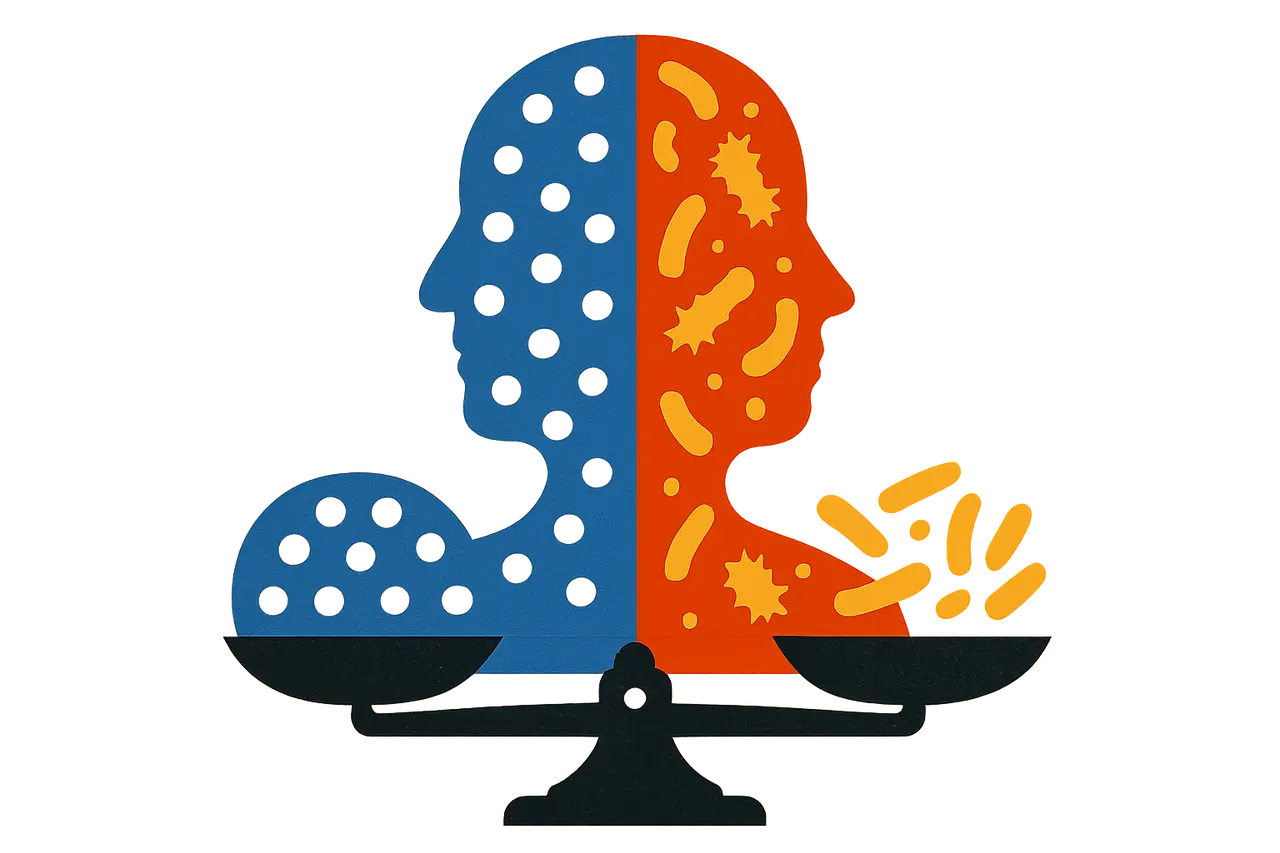
The famous 10-to-1 ratio came from a one-sentence 1972 estimate. A recount found 38 trillion bacteria to 30 trillion human cells.
The human body carries roughly as many bacterial cells as human ones, about 38 trillion bacteria to 30 trillion human cells in a reference adult man, according to a 2016 recount by Weizmann Institute researchers published in PLOS Biology. That is a ratio of about 1.3 to 1, not the 10 to 1 long repeated in textbooks and talks.
Where the 10:1 myth came from
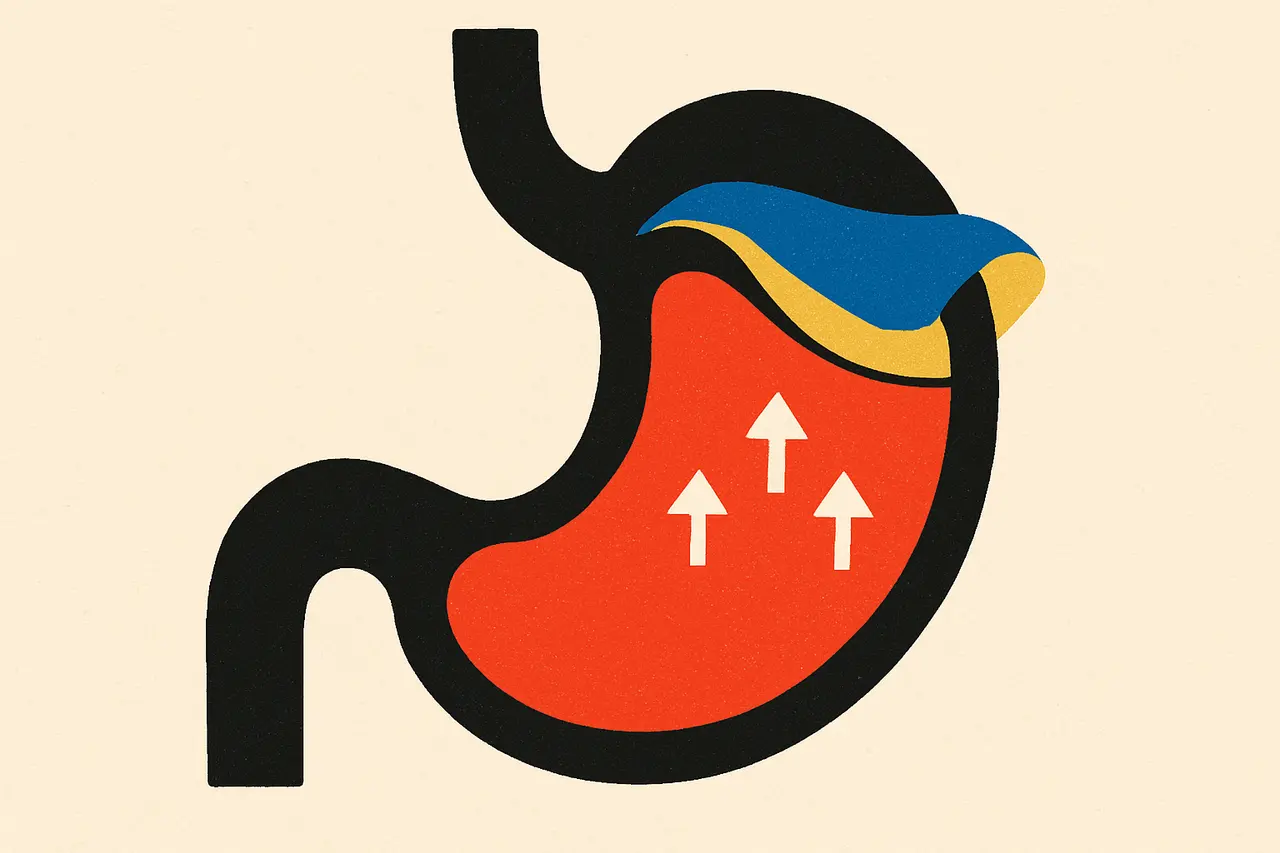
The famous figure traces back to a 1972 estimate by microbiologist Thomas Luckey. It was a sentence-long calculation: take the volume of the whole alimentary tract, about 1 liter, and multiply it by the density of bacteria in stool, about 100 billion per gram, giving roughly 100 trillion bacteria. The flaw is that almost all gut bacteria live in the colon. The stomach and upper small intestine are acidic or fast-flowing and hold comparatively few. Using MRI measurements of the colon’s actual contents, about 0.4 liters, and updated bacterial counts, the Weizmann team arrived at 38 trillion.
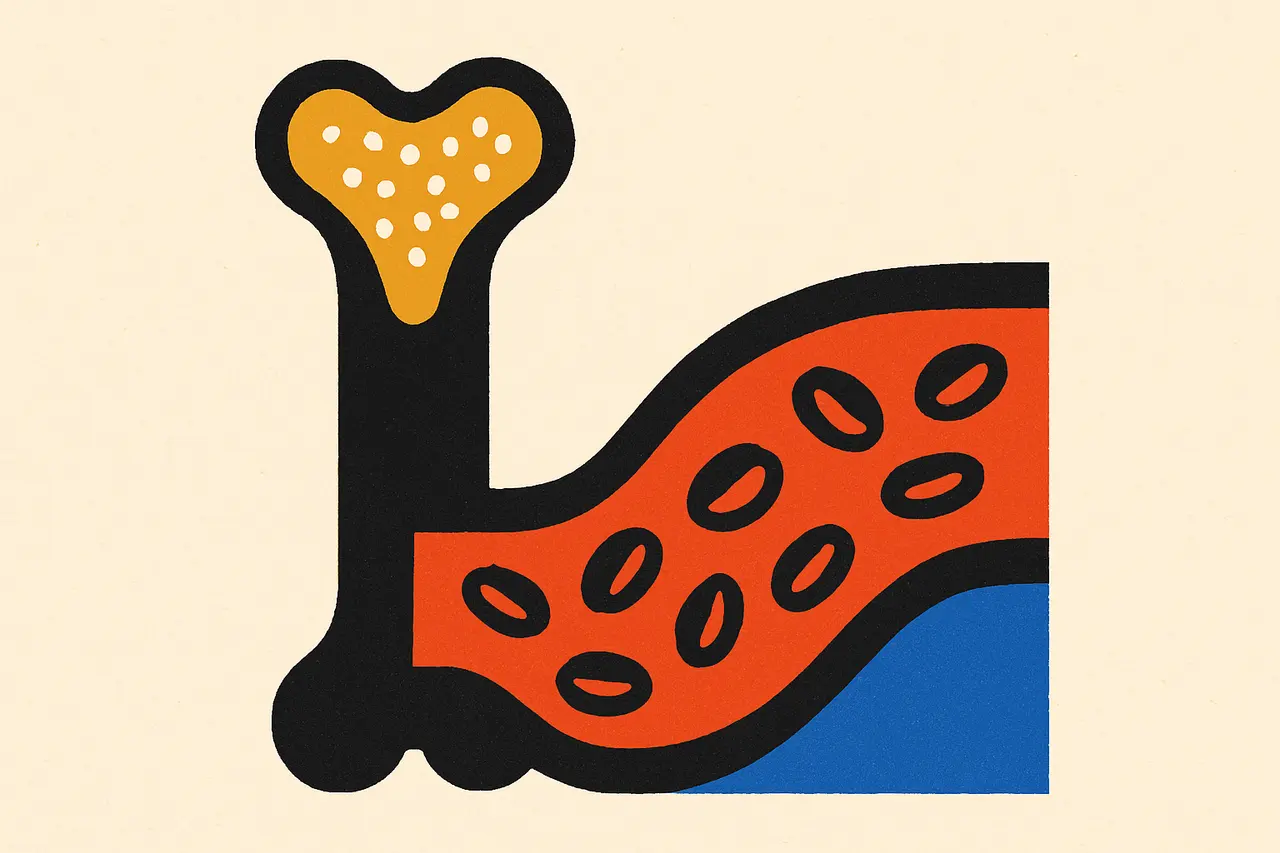
They also recounted the human side, and found it dominated by one cell type: about 25 trillion of your 30 trillion human cells are red blood cells. Skin, muscle, nerve and every other tissue share the rest.
The two totals are so close that the balance shifts during an ordinary day. Each bowel movement empties a quarter to a third of the colon’s contents. As the authors put it:
“The numbers are similar enough that each defecation event may flip the ratio to favour human cells over bacteria.”
By mass the comparison is lopsided: all those bacteria weigh only about 200 grams, a fraction of a percent of body weight, because bacterial cells are tiny compared with most human cells. Their importance lies in chemistry rather than bulk. They help digest food, train the immune system and make vitamins.
Sources & references
3 referencesWell-established. Corroborated by 3 independent sources.