Röntgen stumbled on X-rays in 1895, then tested them 7 weeks
On this day · 8 November 1895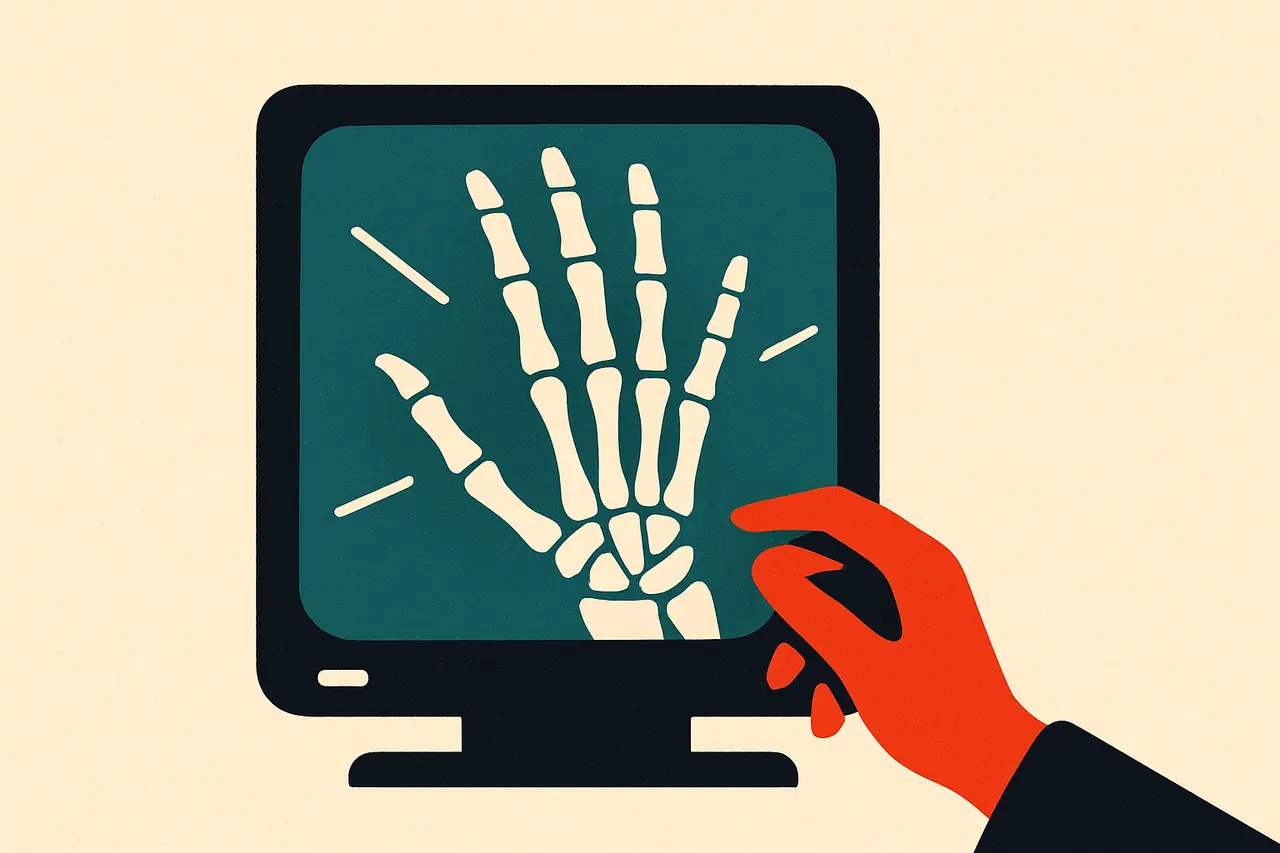
A stray glow in a darkened Würzburg lab on 8 November 1895 was an accident; the seven weeks of secret experiments that followed were not.
German physicist Wilhelm Conrad Röntgen discovered X-rays on the evening of 8 November 1895 in his Würzburg laboratory, when a paper screen coated with barium platinocyanide glowed although his discharge tube was sealed inside thick black cardboard. The glow was unexpected; the search that revealed it was not.
Röntgen was deliberately studying cathode rays, following up experiments by Heinrich Hertz and Philipp Lenard, and was testing how far their effects reached outside the tube. The screen kept glowing even two metres from the tube, so whatever was escaping it was something new. Asked by McClure’s Magazine in April 1896 for the story of the find, he played down any eureka moment:
“There is no history… I had been at work for some days when I discovered something new.” — Wilhelm Röntgen, McClure’s Magazine, 1896
Asked another time what he had thought at that moment, he reportedly said: “I didn’t think, I investigated.”
What happened next
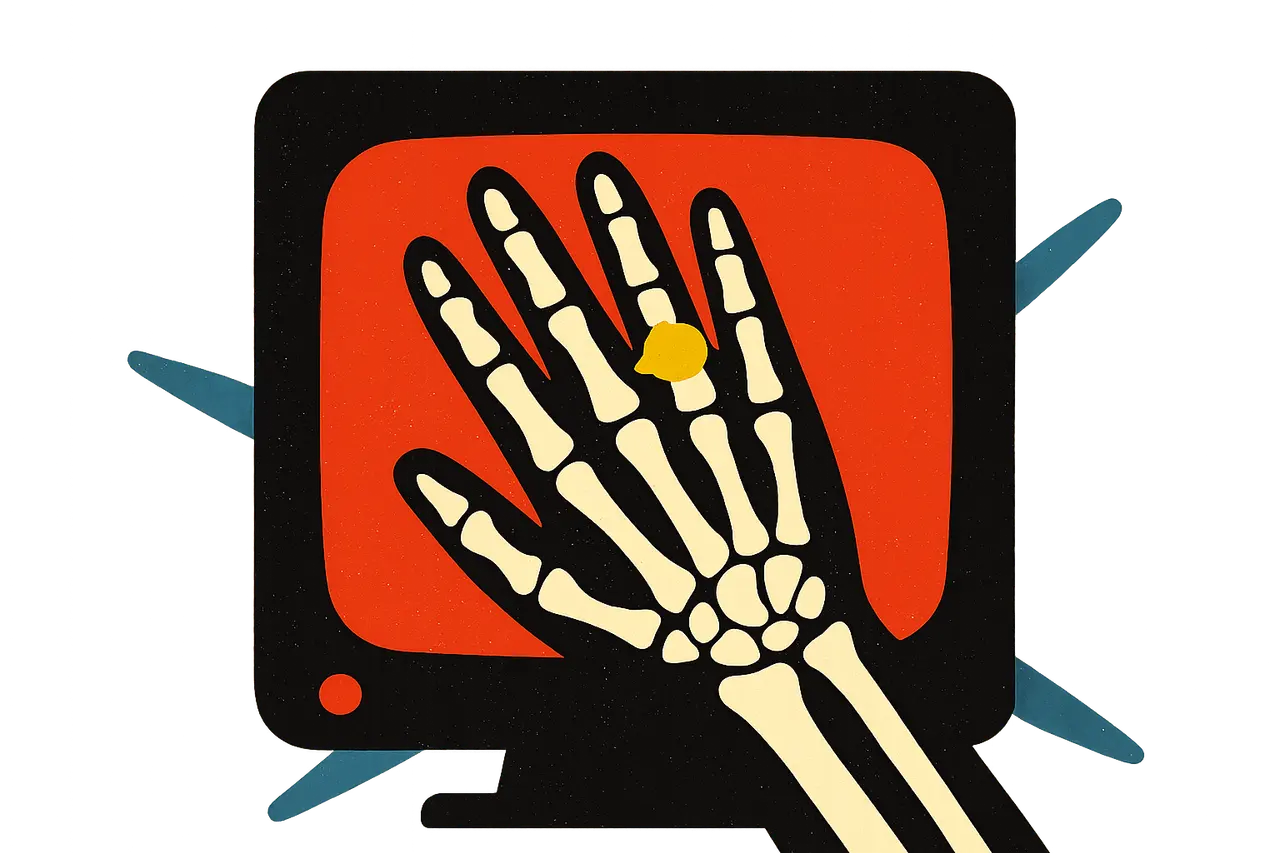
- November–December 1895: about seven weeks of methodical experiments by a man who, his Nobel biography notes, preferred to work alone. Flesh let the rays through, while bones and metal cast shadows. An image of his wife Anna Bertha’s hand, ring and all, prompted her reply: “I have seen my death!”
- 28 December 1895: he submitted “On a New Kind of Rays” to the Würzburg Physico-Medical Society, calling them X-rays because their nature was unknown.
- January 1896: at his first public lecture he X-rayed an anatomist’s hand; the anatomist proposed calling them “Röntgen’s rays”.
- February 1896: the first U.S. clinical use, imaging a patient’s broken wrist in Dartmouth, Massachusetts.
- 1901: the first Nobel Prize in Physics.
Röntgen never patented the rays, wanting them free for research and humanity. Within a year of his announcement, X-ray diagnosis was an established part of medicine.
Sources & references
5 referencesWell-established. Corroborated by 4 independent sources.