Venus is hotter than Mercury, though farther from the Sun
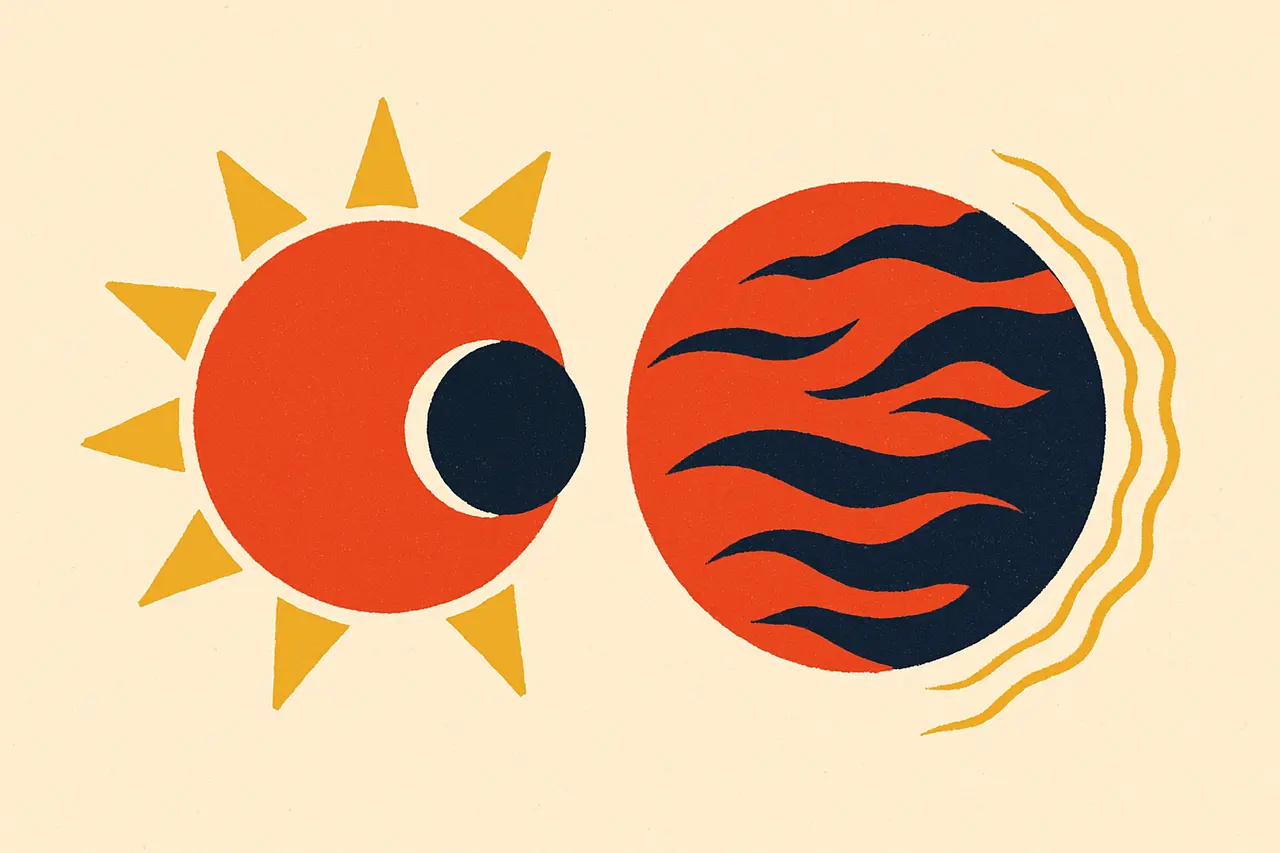
Mercury is closer to the Sun, but Venus is the hottest planet at about 467°C, while Mercury's night side falls to −180°C. The difference is air.
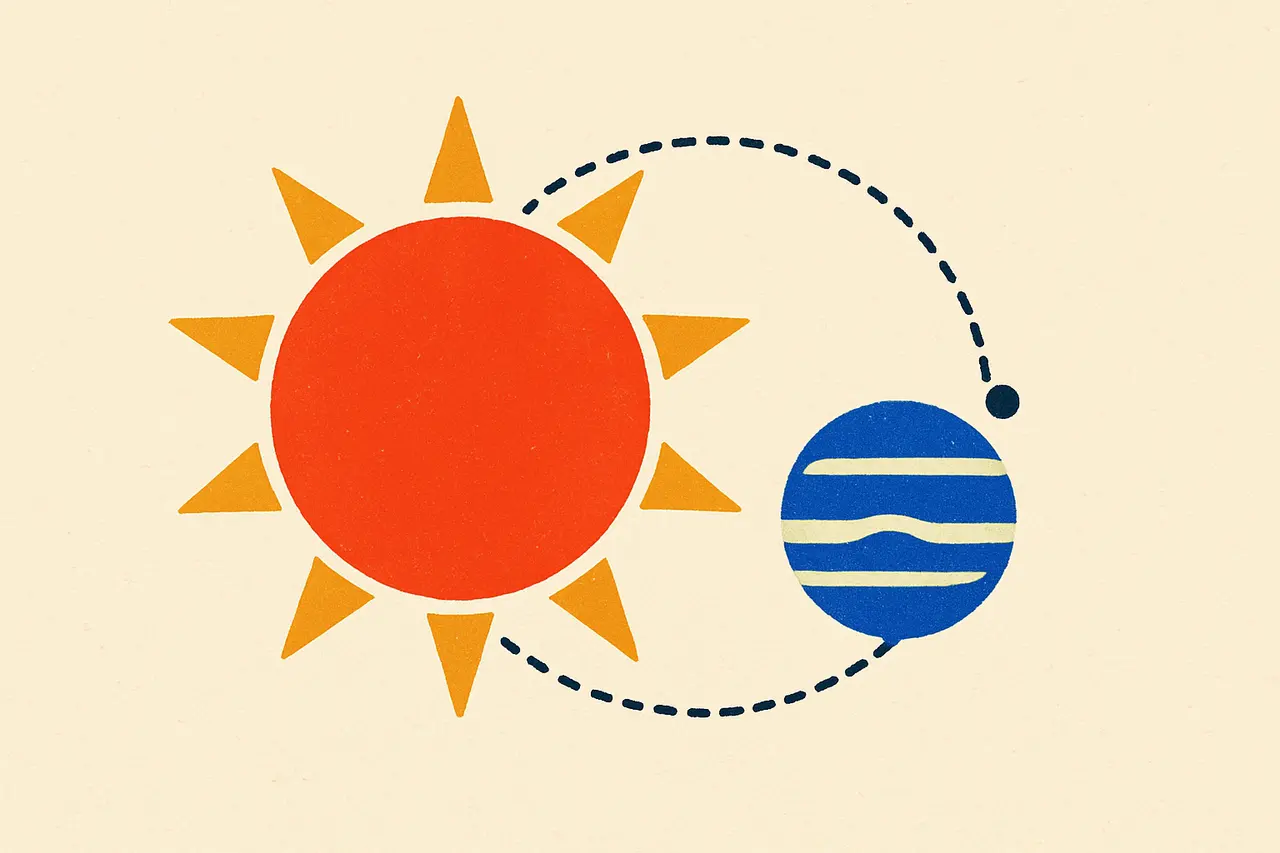
Venus is the hottest planet in the solar system, with a surface temperature of about 467°C (872°F), hotter than the peak daytime temperature on Mercury, even though Mercury orbits closer to the Sun. The difference is Venus’s thick carbon-dioxide atmosphere, which traps heat in a runaway greenhouse effect.
Why closest isn’t hottest
Being near the Sun makes Mercury’s days scorching; it does nothing to keep them warm. Mercury has essentially no atmosphere to hold that heat, so the numbers look like this side by side:
| Where | Surface temperature |
|---|---|
| Venus | about 467°C (872°F) |
| Mercury, daytime | about 430°C |
| Mercury, night side | around −180°C |
That is a swing of roughly 600 degrees on Mercury between day and night.
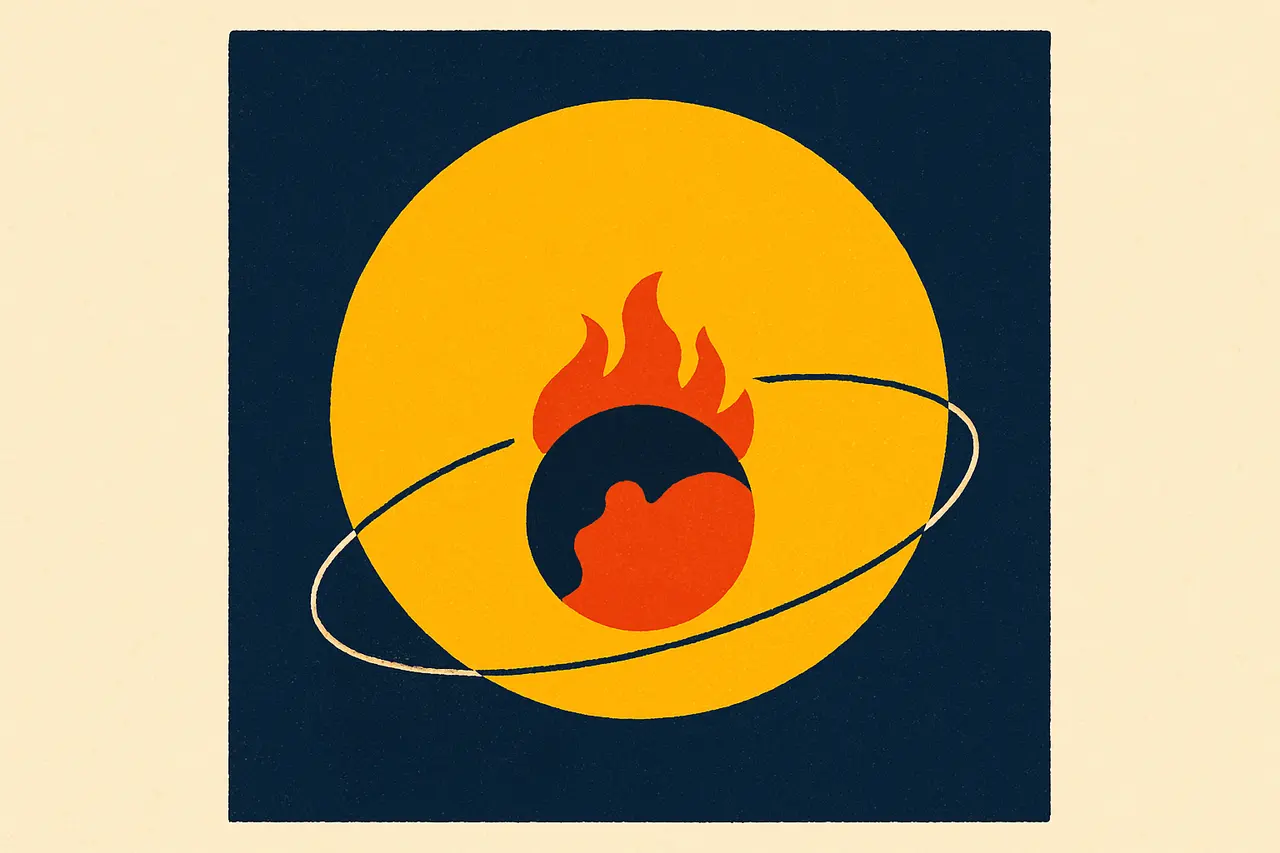
Venus works the other way. Its air is mostly carbon dioxide, piled so deep that surface pressure is about 93 times Earth’s at sea level — the same squeeze you would feel more than 900 metres underwater. Sunlight that filters down through clouds of sulfuric acid warms the ground, and the dense CO₂ traps the heat radiating back up.
For comparison, Earth’s natural greenhouse effect keeps our planet about 30°C warmer than it would otherwise be. On Venus the same physics has run away, which is why planetary scientists use it as the textbook example of a greenhouse effect gone to extremes.
The surface is hostile even to machines. Of the Soviet Venera probes sent between 1961 and 1984, ten reached the ground; the longest-lived lasted two hours, the shortest just 23 minutes, before heat and pressure finished them.
Venus may once have had oceans. As heat built up, the water turned to vapour, which trapped more heat until the seas had boiled away. ESA’s Venus Express orbiter found that water vapour is still leaking from the top of the atmosphere into space today.
Sources & references
4 referencesWell-established. Corroborated by 3 independent sources.