America's national weather service is born
On this day · 9 February 1870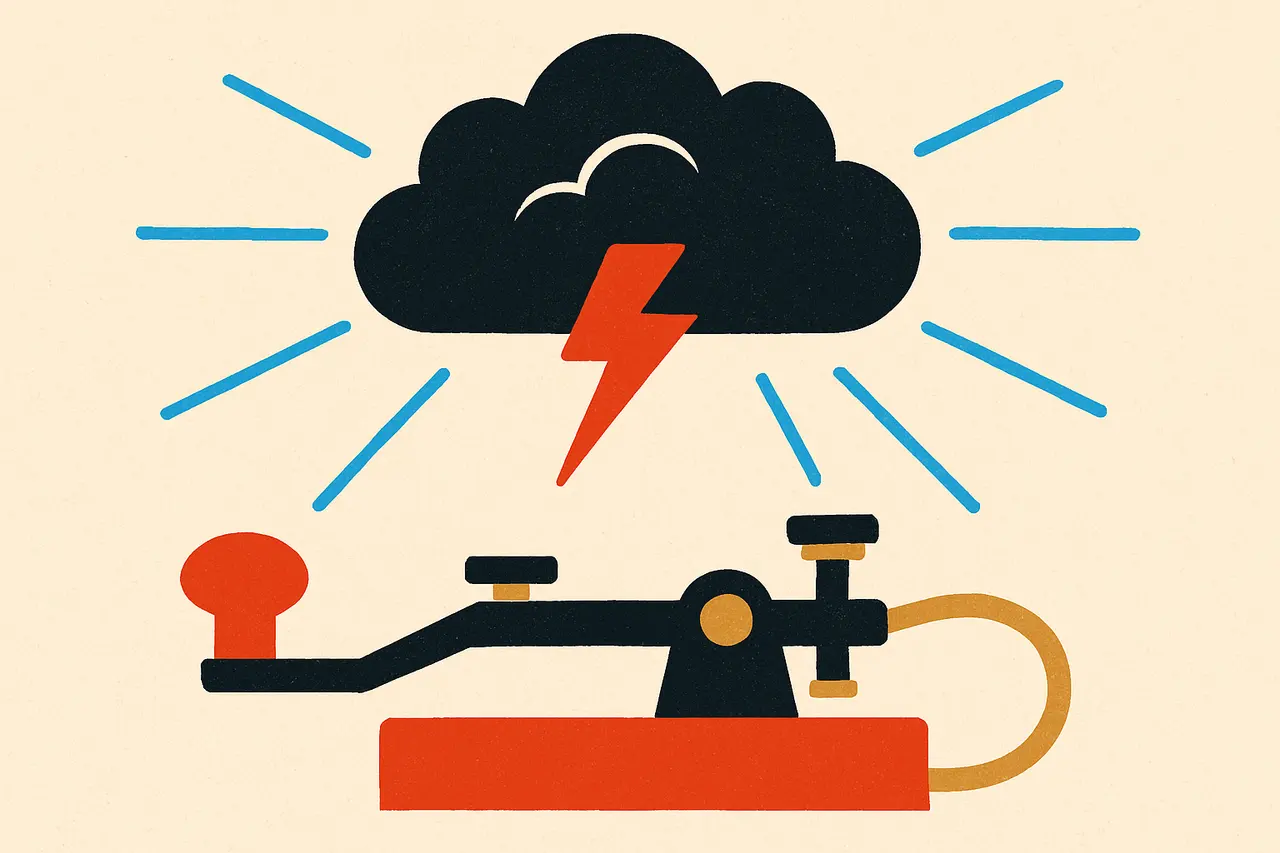
A one-line act of Congress put the U.S. Army in the forecasting business and built the backbone of modern storm warnings.
On February 9, 1870, President Ulysses S. Grant signed a joint resolution of Congress directing the Secretary of War to take weather observations at military stations and to warn of approaching storms on the Great Lakes and the seacoast. With that signature, the United States acquired its first national weather service.
The job landed not with a university but with the U.S. Army Signal Service, under a department whose name was longer than its mandate was clear: the Division of Telegrams and Reports for the Benefit of Commerce. Lawmakers reasoned that the military had the discipline and the telegraph network to gather readings quickly and consistently across a sprawling country.
Observations flowed in by wire to central offices, and forecasts and warnings flowed back out the same way.
The service that began with 44 stations grew into the civilian Weather Bureau and, eventually, today’s National Weather Service. Its founding logic, fast data in, timely warnings out, still defines public forecasting more than a century and a half later.
Sources & references
2 referencesWell-established. Corroborated by 2 independent sources.