Two deaf communities spontaneously invented brand-new sign languages from scratch
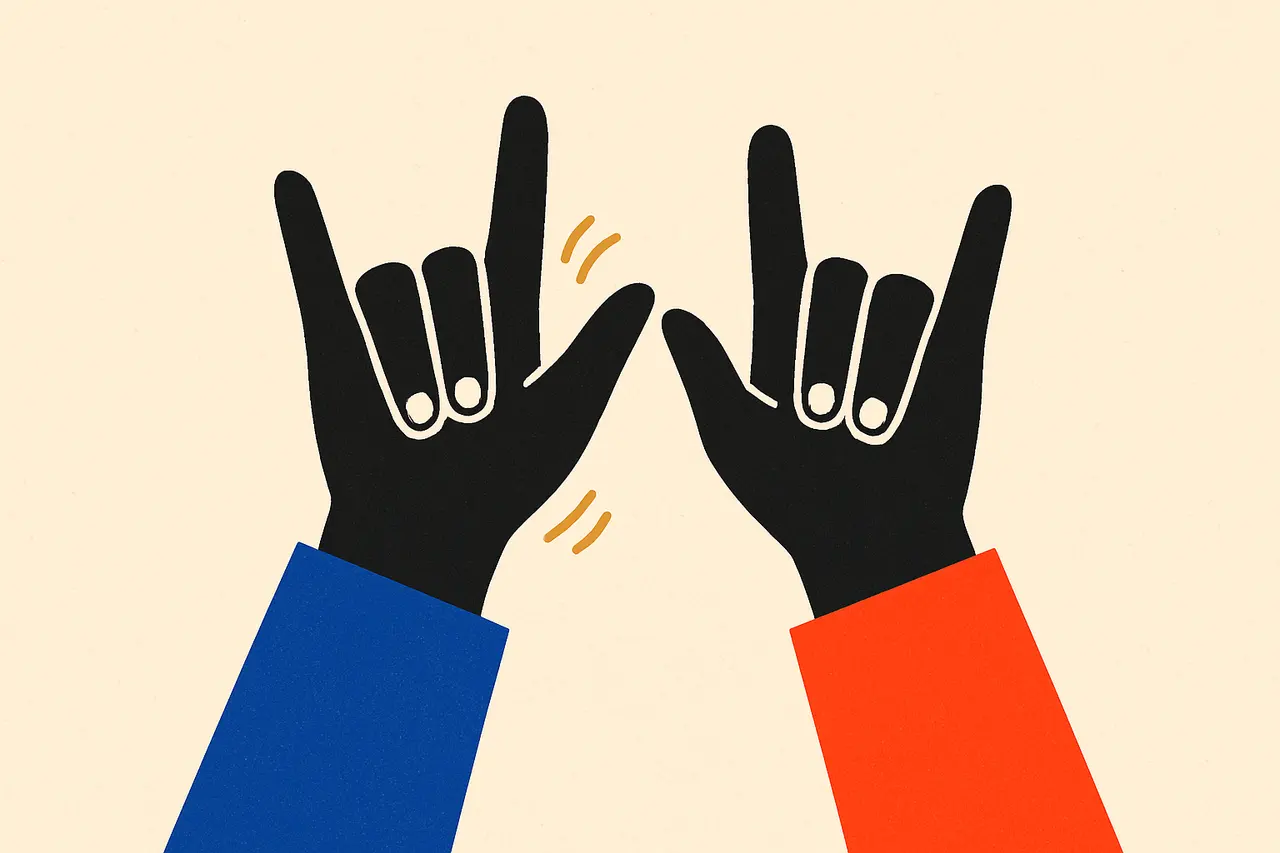
In Nicaragua and a Bedouin village, deaf people with no language to copy built full sign languages — and linguists got to watch grammar appear.
How does a language begin? Usually the answer is lost to prehistory. Twice in living memory, though, linguists have watched it happen — among deaf communities with no sign language to inherit.
In Nicaragua, deaf children were largely isolated until the late 1970s, when expanding special-education programs gathered them in numbers for the first time. Teachers pushed Spanish lipreading; it mostly failed. But on the buses and in the schoolyard, the children began signing to each other. Out of that contact grew Nicaraguan Sign Language — and each new wave of younger children sharpened it, adding grammar the first signers never had.
No adult designed it. The children built it, then their successors refined it.
The second case is the Al-Sayyid Bedouin community in Israel’s Negev. A high rate of inherited deafness — roughly 20 times typical — produced enough deaf members that, within about 70 years, a homegrown sign language emerged with no contact with Arabic, Hebrew, or Israeli Sign Language. Researchers found it had even settled on its own consistent word order, distinct from every surrounding language.
Both cases are gold for science. They suggest grammar isn’t only handed down — under the right conditions, the human mind will bootstrap a full language from nothing, and do it fast.
Sources & references
2 referencesWell-established. Corroborated by 2 independent sources.