There is more gold dissolved in the oceans than has ever been mined
The seas hold an estimated 20 million tonnes of dissolved gold — but it's so dilute that nobody can profitably collect it.
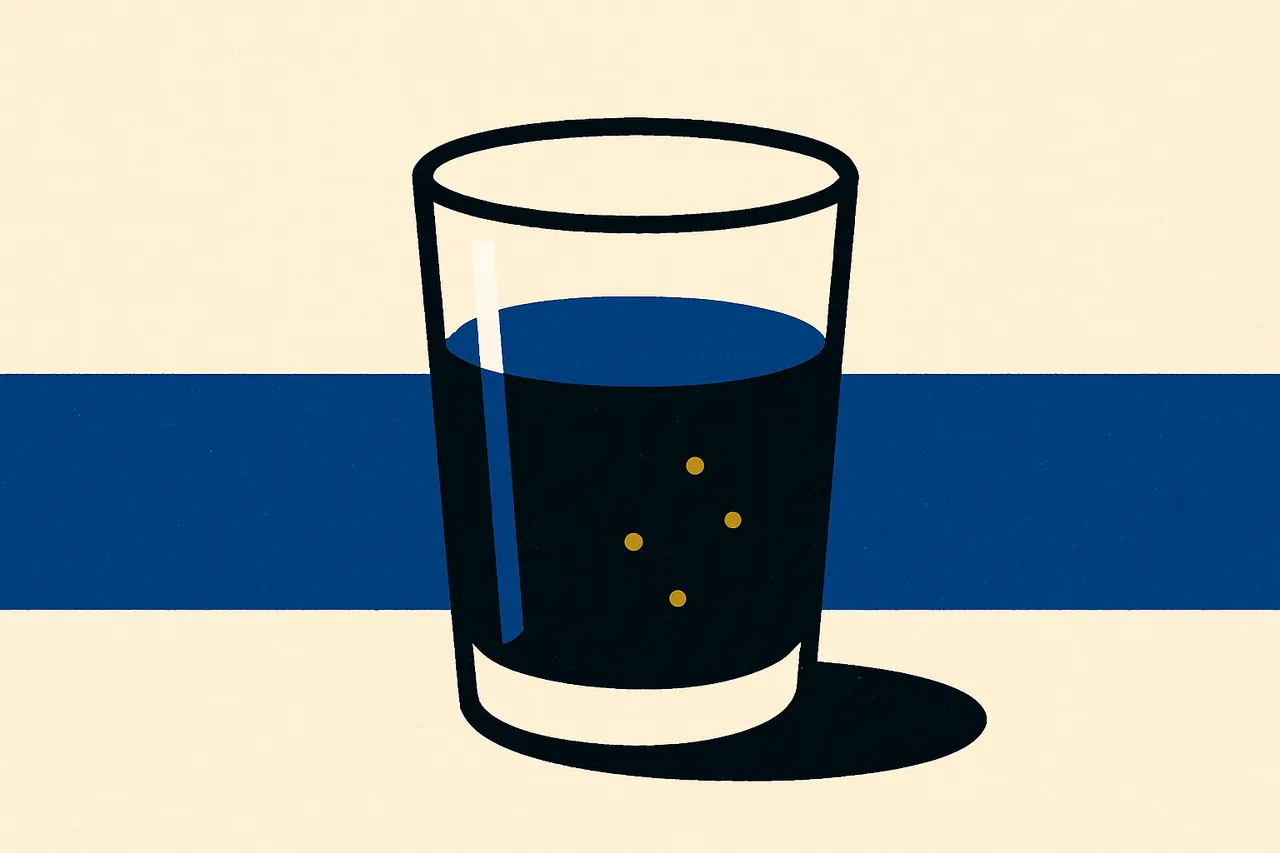
Every glass of seawater contains a trace of gold. Not enough to see, taste, or get rich on — but it’s genuinely there, and across all the oceans it adds up to a staggering total. Estimates put the dissolved gold in seawater at roughly 20 million tonnes, dwarfing the ~200,000 tonnes humans have dug out of the ground in all of recorded history.
The catch is dilution. According to the U.S. National Ocean Service, the concentration is on the order of parts per trillion — about one gram of gold for every 100 million tonnes of seawater in the Atlantic and north Pacific. Some additional gold is locked in deep seafloor deposits, but that lies a mile or two down, bound up in rock.
There is currently no cost-effective way to mine or extract gold from the ocean to make a profit.
That hasn’t stopped people trying. In the 1920s, German chemist Fritz Haber — fresh off a Nobel Prize — spent years attempting to extract seawater gold to help pay Germany’s war reparations. He found the real concentration was far lower than early figures suggested, and gave up. Later schemes proved the electrochemistry alone would cost several times more than the gold was worth.
So the ocean is, technically, the largest gold reserve on Earth. It’s also the one vault nobody has figured out how to crack.
Sources & references
2 referencesWell-established. Corroborated by 2 independent sources.