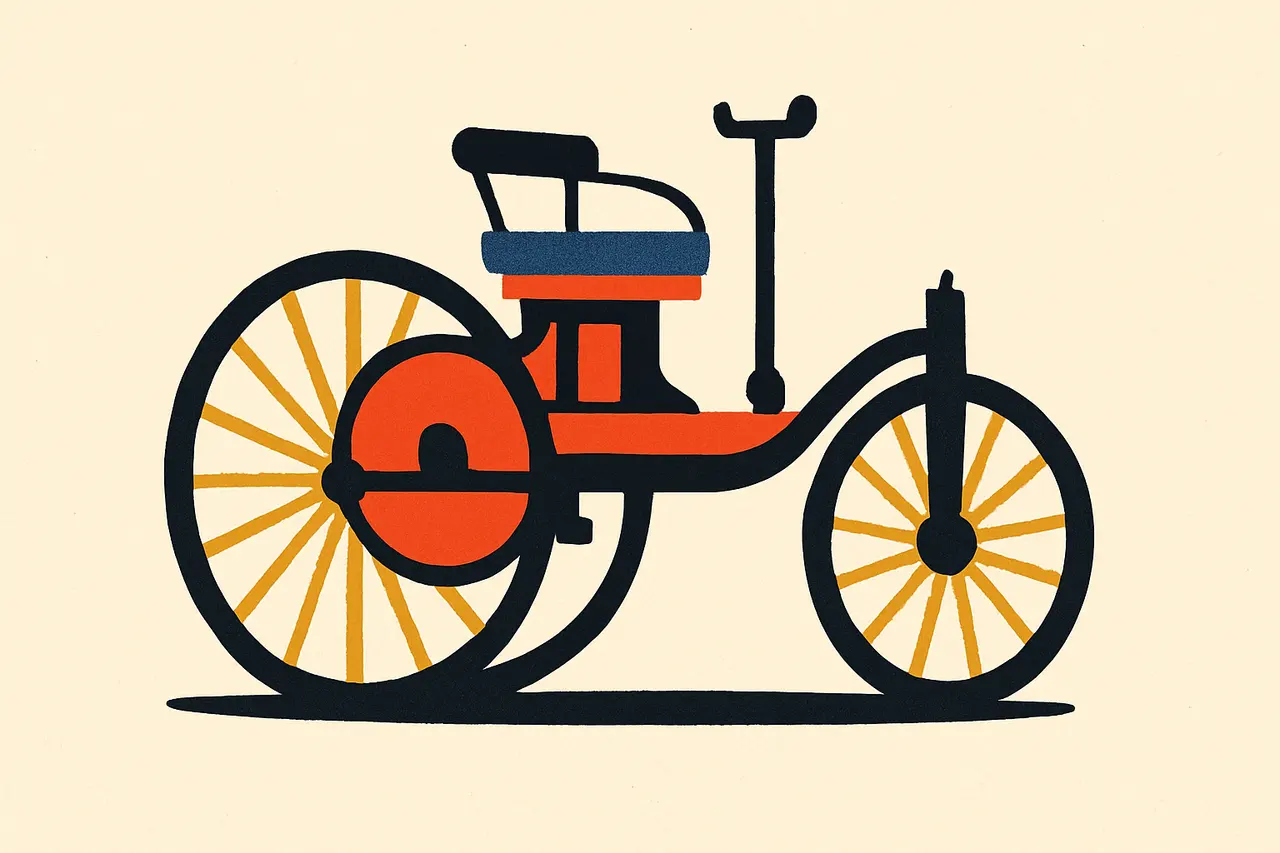
The World's First Hybrid Car Ran in 1900
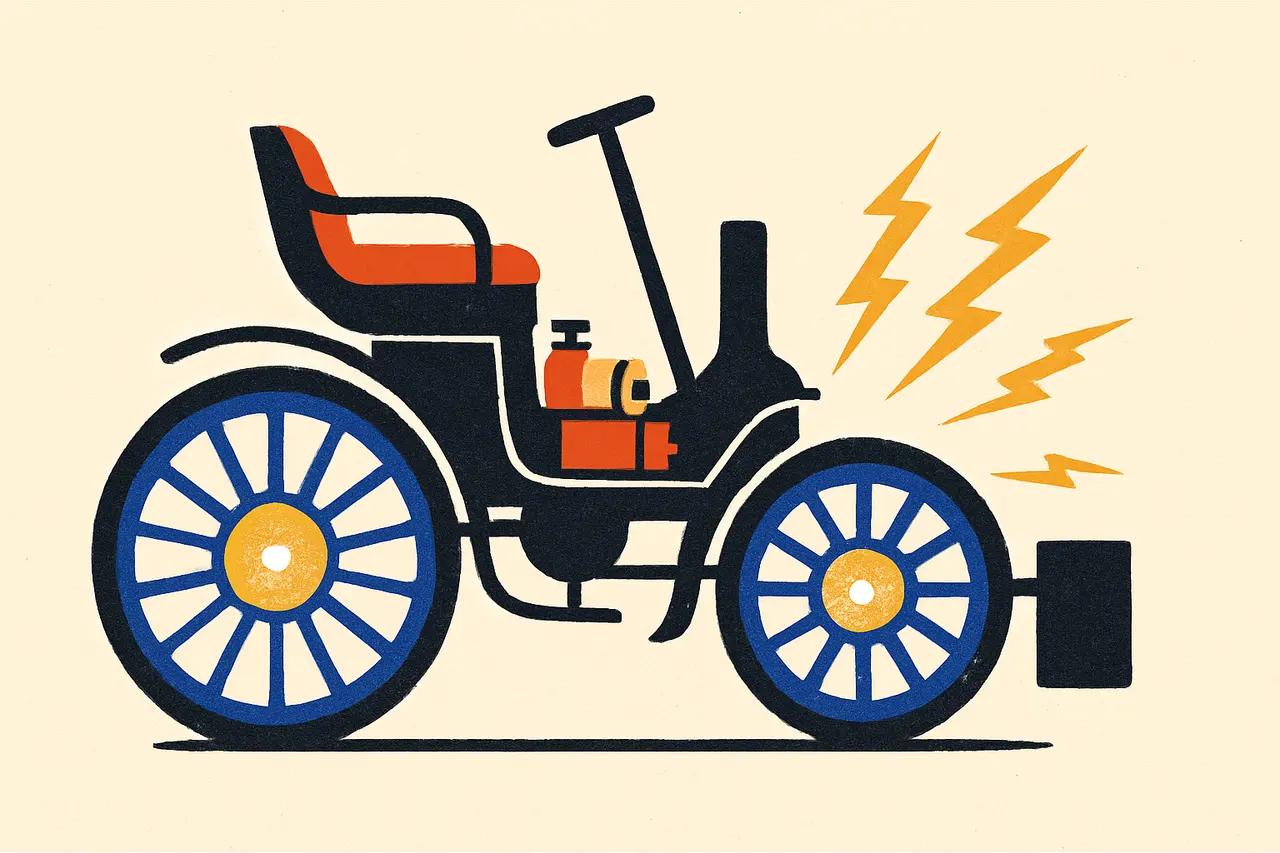
A century before the Prius, a 25-year-old Ferdinand Porsche fused petrol generators with electric wheel motors into the first functional hybrid.
Long before “hybrid” became a marketing buzzword, a young engineer in Vienna built one. In late 1900, Ferdinand Porsche — then just 25 years old — completed the Lohner-Porsche “Semper Vivus” (“Always Alive”), which Guinness World Records recognises as the first vehicle to use a combined internal-combustion and electric drivetrain.
The design was startlingly modern. Rather than driving the wheels mechanically, two small petrol engines spun generators that fed electricity to electric hub motors mounted directly in the wheels, while also topping up the batteries. Engineers today would call this a series hybrid — the exact arrangement Porsche chose because early batteries were unreliable and charging stations essentially did not exist.
A combustion engine acting purely as a mobile power plant — the idea that quietly returns in modern range-extender EVs.
The car made its public debut at the Paris Motor Show in early 1901. Its production successor, the Lohner-Porsche “Mixte,” stayed on sale until 1915, with roughly 300 vehicles built — a full century before hybrids went mainstream.
Sources & references
2 referencesWell-established. Corroborated by 2 independent sources.