The Stono Rebellion ignites colonial Carolina
On this day · 9 September 1739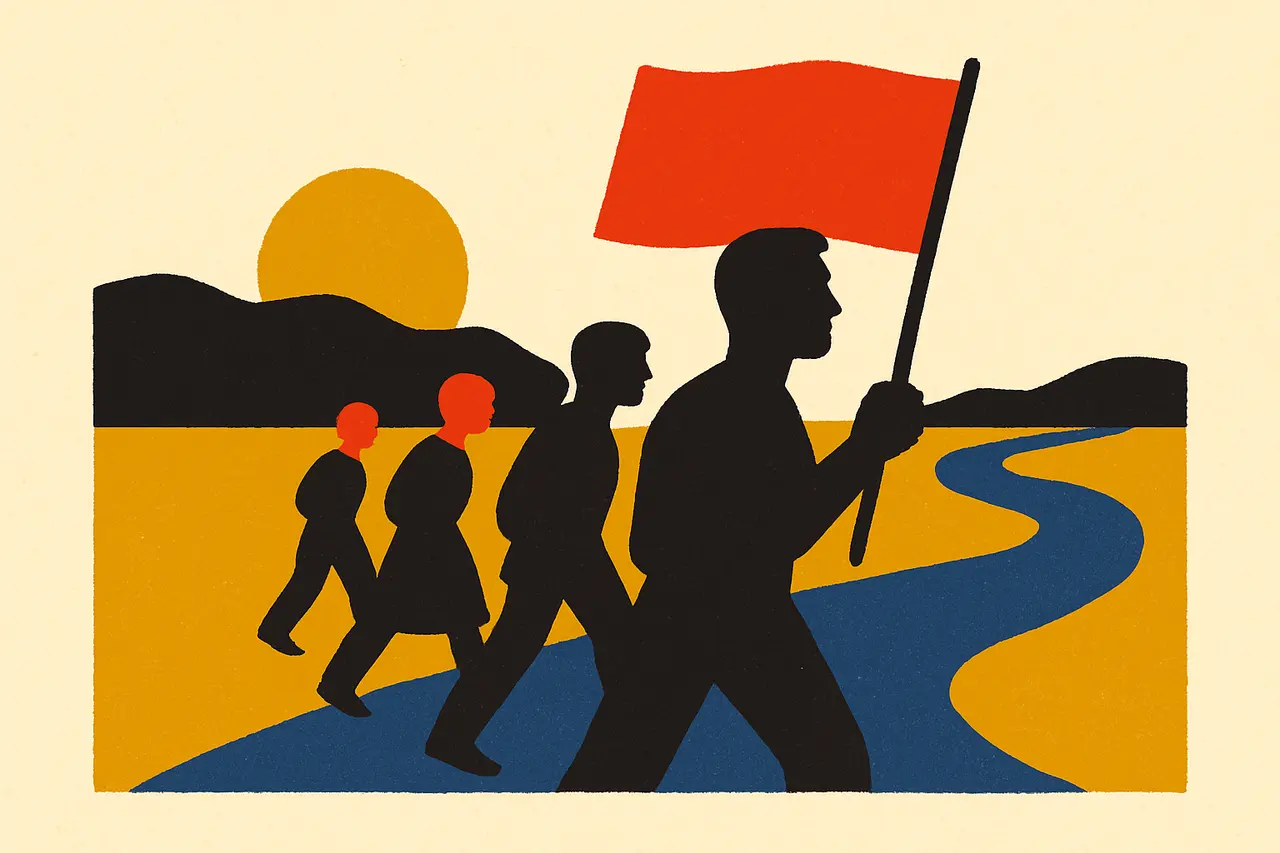
On a Sunday morning near a Carolina river, dozens of enslaved Africans seized weapons and marched south toward freedom in Spanish Florida.
On Sunday, September 9, 1739, the largest slave uprising in Britain’s mainland colonies erupted along the Stono River, about 20 miles southwest of Charleston, South Carolina. A band of roughly 20 enslaved Africans broke into a store, took guns and powder, and killed the storekeepers.
Raising a banner and reportedly shouting “Liberty!”, the rebels marched south toward Spanish Florida, where colonial authorities had promised freedom to fugitives from English plantations. Their ranks swelled to as many as 60 to 100 before a mounted militia overtook them that same afternoon.
Before the day ended, more than 20 white colonists and a larger number of the insurgents lay dead.
The revolt’s aftermath proved as consequential as the violence. In 1740 the colonial assembly passed the harsh Negro Act, tightening surveillance of the enslaved, restricting their movement and assembly, and curbing manumission — a slave code that shaped South Carolina for generations.
Sources & references
3 referencesWell-established. Corroborated by 3 independent sources.