The Oldest Air-Breathing Land Animal Was a Millipede
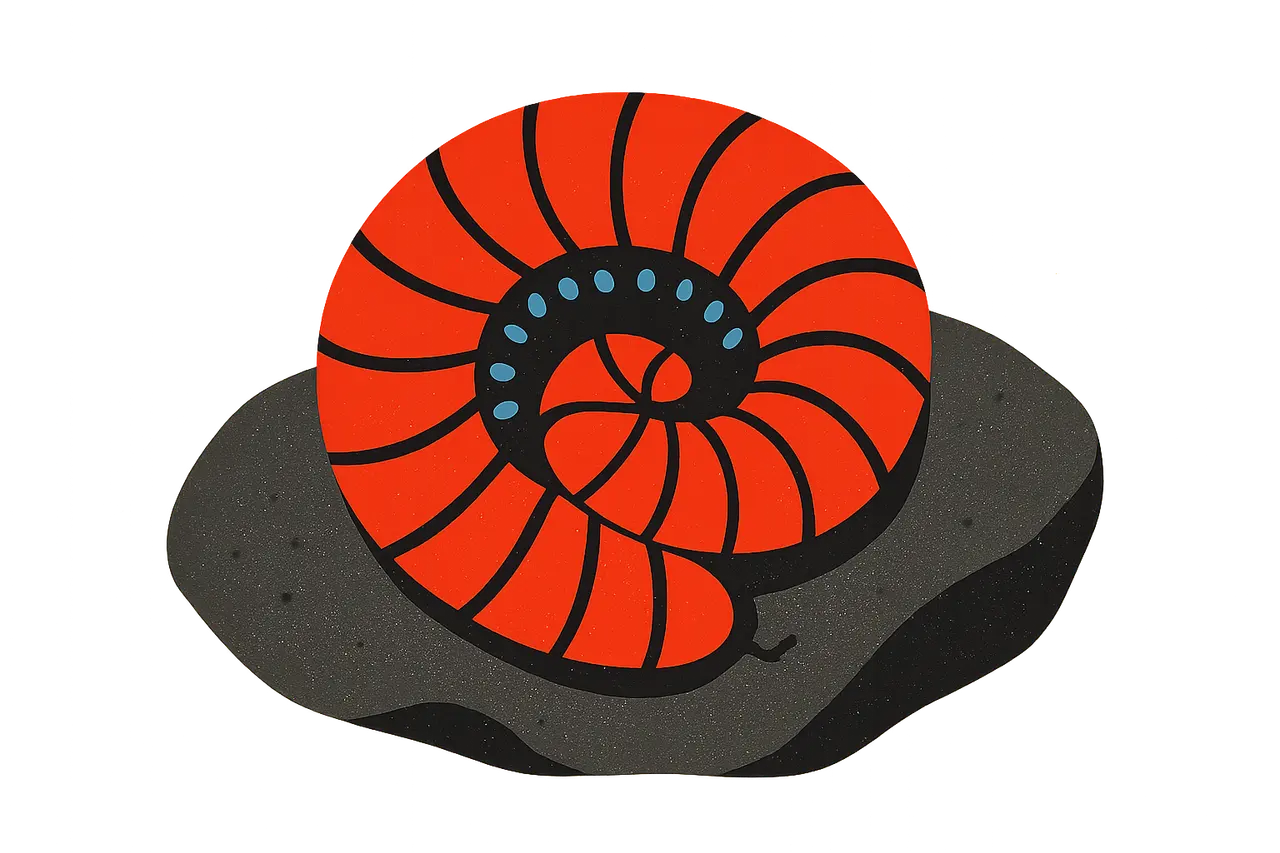
A single thumb-sized fossil from a Scottish beach holds the earliest known evidence of any creature breathing air on dry land.
In 2004, a roughly 1-centimetre fossil millipede found near Stonehaven, Scotland was named Pneumodesmus newmani — and crowned the earliest known land animal on Earth. The National Museums Scotland, which holds the only specimen, calls it a “425 million year old air-breathing millipede, the earliest known land animal in the world.”
What makes the claim hold up is anatomy, not just age. The fossil’s cuticle preserves tiny openings called spiracles — the oldest ever found. Spiracles feed a network of air-filled tubes (a tracheal system) that delivers oxygen directly to tissues. Crucially, that plumbing only works in air, not water, so this little arthropod was demonstrably breathing on land.
Spiracles work in air, not water — direct fossil proof of life out of the sea.
The exact date is debated: the original study said about 428 million years (Silurian), while later rock dating pushed it toward 414 million years (Early Devonian). Either way, it was discovered not by a professional but by Mike Newman, a bus driver and amateur fossil hunter — whose name the species now carries.
Sources & references
3 referencesWell-established. Corroborated by 3 independent sources.