The Mayflower landed at Cape Cod, not Plymouth Rock
On this day · 21 November 1620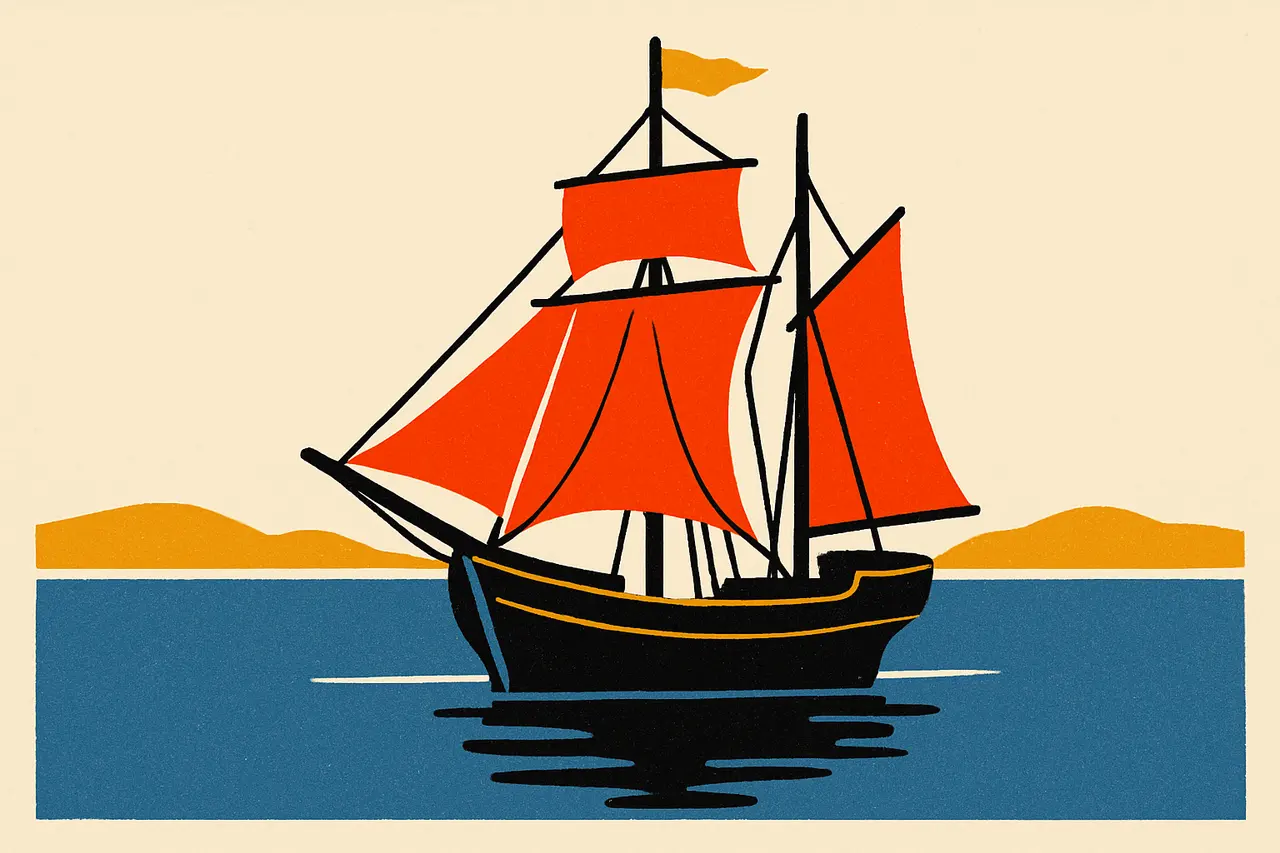
The Pilgrims' first anchorage was Provincetown Harbor, and the famous rock was only identified 121 years later on secondhand testimony.
The Mayflower reached the New World on 11 November 1620 (21 November by today’s calendar), anchoring in what is now Provincetown Harbor at the tip of Cape Cod after 66 days at sea, weeks before any of its 102 passengers set foot at Plymouth.
The crew sighted the Cape at sunrise on 9 November. The passengers had meant to settle near the Hudson River, in the northern part of Virginia, but rough water and shoals off the Cape nearly wrecked the ship as it headed south, so it turned back to shelter inside the hook. Being outside their patent mattered at once. Some passengers announced that ashore they would use their own liberty, “for none had power to command them”, as Bradford recorded, which is why 41 men signed the Mayflower Compact before landing. It was not called that until 1793.
Did the Pilgrims land on Plymouth Rock?
No firsthand account says so. The two sources written by the colonists themselves, William Bradford’s Of Plymouth Plantation and the 1622 Mourt’s Relation, simply say they landed; neither mentions a rock. The identification rests on Elder Thomas Faunce, who in 1741, then in his mid-nineties, was carried to the waterfront to point out a boulder before a wharf was built over it. He was passing on what his father had told him, and his father, John Faunce, arrived in 1623, three years after the Mayflower. More than 120 years separated the landing from the first claim about where it happened.
Why do sources give both 11 and 21 November?
England still used the Julian calendar, ten days behind the Gregorian one used today. Bradford wrote 11 November; adding ten days gives 21 November. The same shift turns the 6 September departure from Plymouth into 16 September.
After a few weeks exploring the Cape, the colonists sailed on to Plymouth in December, living aboard ship while they built houses. About half of the passengers died that first winter, and the Mayflower left for England on 5 April 1621.
Sources & references
5 referencesWell-established. Corroborated by 4 independent sources.