The Hebrew Bible was copied so carefully that scribes counted every letter
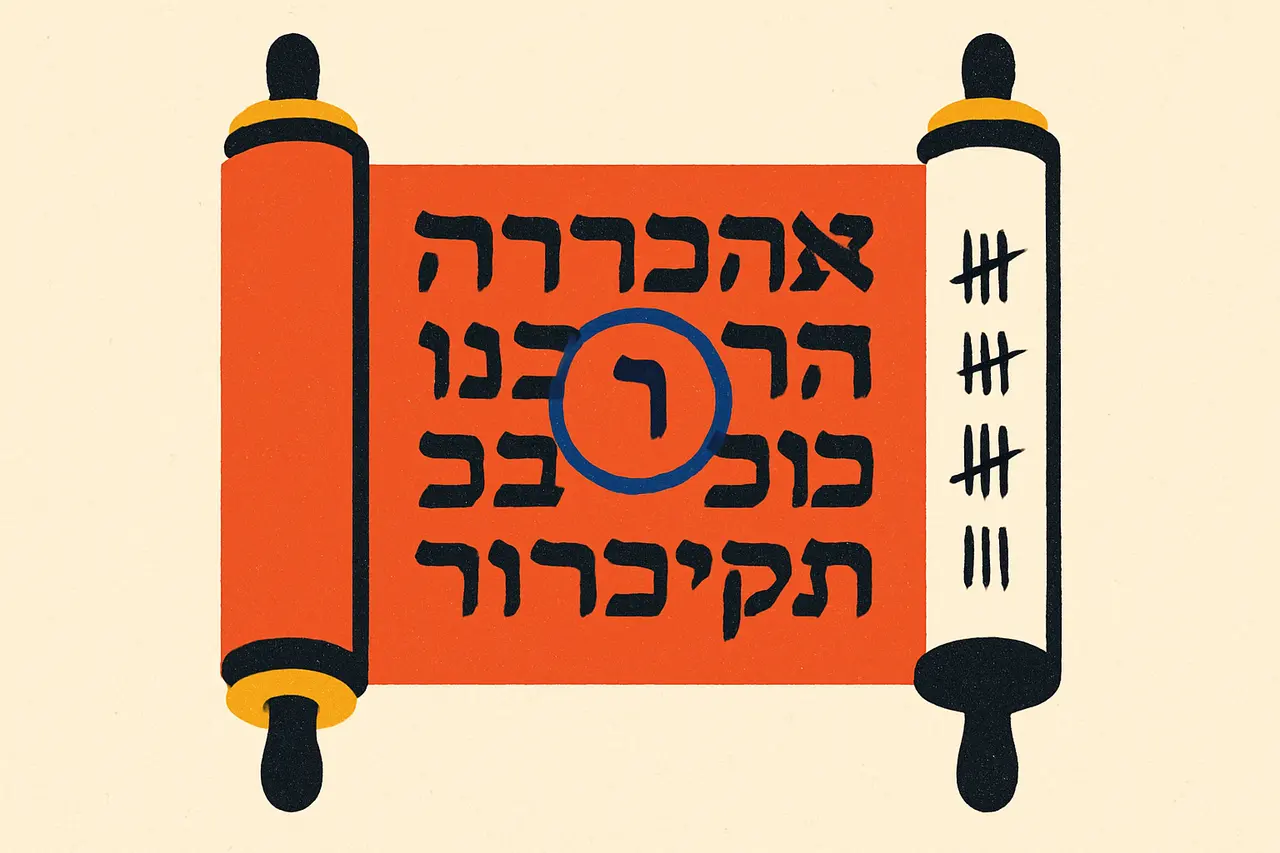
To catch a single slipped letter, medieval Jewish scribes tallied every word and letter of each book and marked its exact midpoint.
Before printing, every copy of a sacred text was a hand-made hostage to human error — one tired scribe, one skipped word, and a corruption could ripple down the centuries. The Masoretes, Jewish scholars working roughly between the 6th and 10th centuries CE, answered that danger with something close to an ancient checksum.
They did not merely copy the Hebrew Bible; they audited it. As the Encyclopaedia Britannica describes, once a section was finalized the Masoretes “not only counted and noted down the total number of verses, words, and letters in the text but further indicated which verse, which word, and which letter marked the centre of the text.” The purpose was blunt and brilliant: “In this way any future emendation could be detected.”
The Catholic Encyclopedia records the same obsessive bookkeeping: “The words and letters of each book and of every section of the twenty-four books of the Hebrew Bible were counted. The middle words and middle letters of books and sections were noted.”
If your fresh copy’s middle letter no longer fell where it should, you knew something had gone wrong — without rereading the whole book.
These running totals and marginal notes, collectively the Masorah, functioned as an internal error-detection system. The result is striking: the Masoretic Text is widely regarded as the best-preserved form of the Hebrew Bible in the manuscript record, kept remarkably stable across many centuries of hand copying.
Sources & references
3 referencesWell-established. Corroborated by 3 independent sources.