The Great Dying killed nine in ten species
Earth's deadliest catastrophe wasn't the asteroid that took the dinosaurs — it was far worse.
Long before the dinosaurs, Earth suffered its most devastating crisis. About 252 million years ago, at the close of the Permian Period, roughly 90% of all species vanished — including more than 95% of marine species and about 70% of land vertebrates. Scientists call it the “Great Dying,” the largest of the five great mass extinctions.
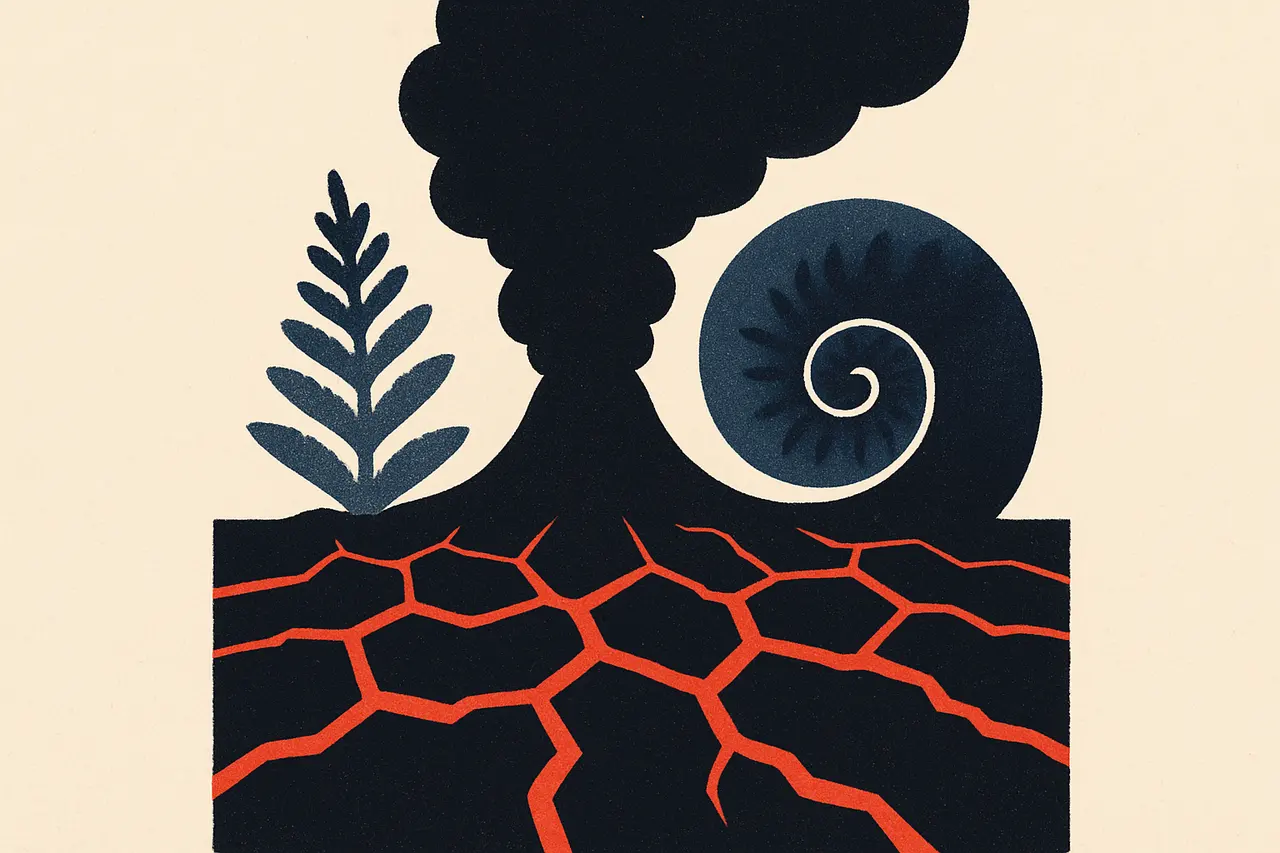
The leading trigger lies in Siberia. Enormous eruptions built the Siberian Traps, but the deadliest part may have been where the rising magma punched through ancient coal beds and carbonates, baking out colossal volumes of carbon dioxide and methane. Rocks worldwide record a sharp negative carbon-isotope excursion marking that carbon flood.
The kill mechanisms cascaded from there. Runaway warming drove equatorial sea-surface temperatures past 40°C, hot enough to be directly lethal. The oceans lost their oxygen, sliding into anoxia and euxinia, in which sulfur-loving bacteria belched toxic hydrogen sulfide. Meanwhile the same carbon surge acidified the seas, dissolving the shells of corals and other carbonate-builders.
Precise dating shows the eruptions began just before the die-off and overlapped it closely — the “smoking gun” tying the volcanism to the extinction.
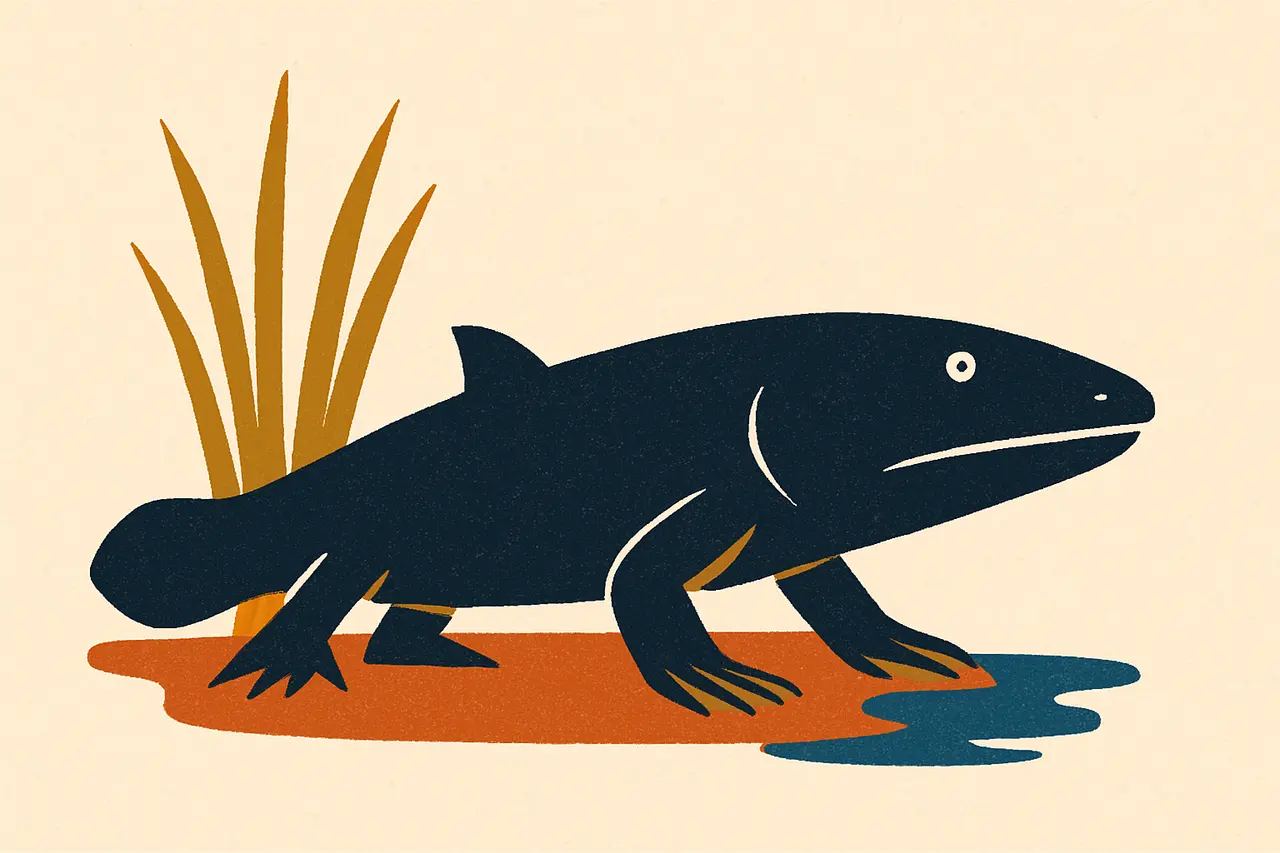
The aftermath was a hushed, impoverished world. There is a “coal gap” and a reef gap in the rock record — millions of years with almost no coal-forming forests or reefs — and on land a single hardy survivor, the pig-sized Lystrosaurus, made up more than 90% of vertebrate fossils in the earliest Triassic. Full recovery took roughly 5 to 10 million years, and only then did the slow rebound clear the stage for the rise of the dinosaurs.
Sources & references
3 referencesWell-established. Corroborated by 3 independent sources.