The Great Chicago Fire gutted a tinder-dry city
On this day · 8 October 1871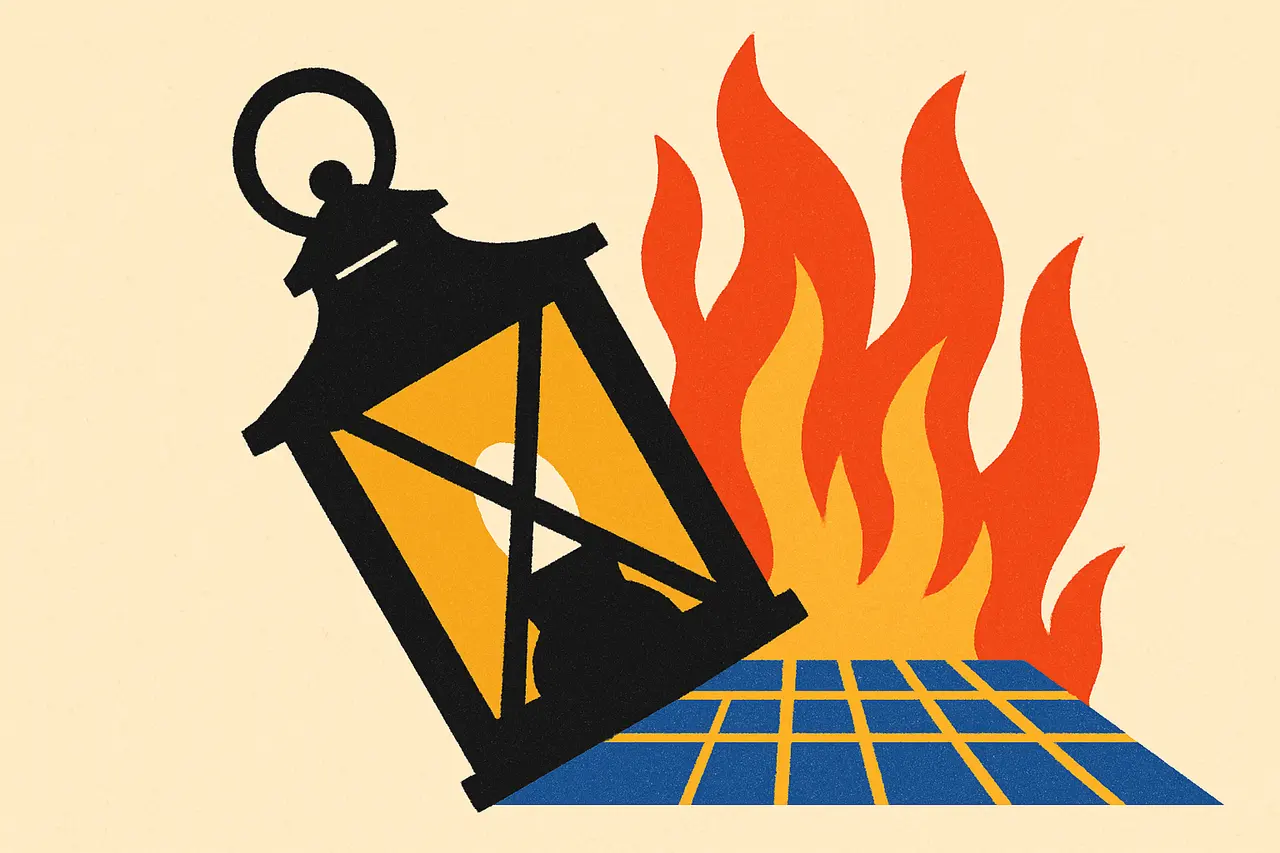
After a parched summer, a fire in a southwest-side barn raced through wooden Chicago and left a third of the city homeless.
On the evening of October 8, 1871, fire broke out on the property of Patrick and Catherine O’Leary at 137 DeKoven Street on Chicago’s southwest side. The popular tale blames a cow kicking over a lantern, but the true spark was never confirmed.
The city was primed to burn. In the three months before the fire, only 3.55 inches of rain fell — nearly eight inches below normal — and Chicago was built largely of wood, down to its sidewalks. On the night itself, warm temperatures, low humidity, and southwest winds gusting to 45 mph drove the flames.
Roughly a third of the city lay in ruins.
Burning into October 10, the fire scorched about 2,100 acres, destroyed roughly 17,500 buildings, killed an estimated 300 people, and left around 100,000 homeless. The rebuilding that followed helped make Chicago a birthplace of the modern skyscraper.
Sources & references
2 referencesWell-established. Corroborated by 2 independent sources.