Columbia flew the first shuttle mission on April 12, 1981
On this day · 12 April 1981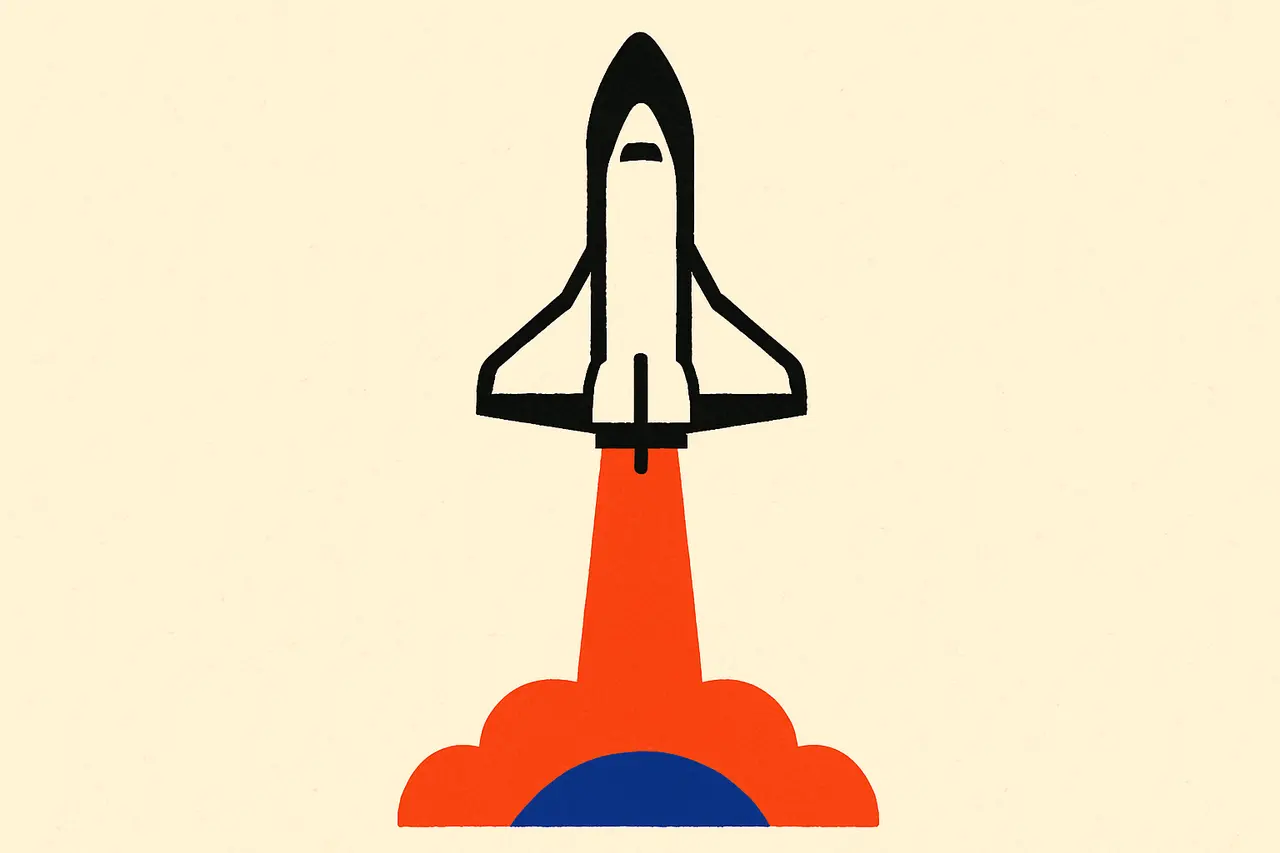
STS-1 lifted off on April 12, 1981, circled Earth 37 times and landed two days later, missing 16 heat-shield tiles.
Space Shuttle Columbia flew the first shuttle mission, STS-1, lifting off from Launch Pad 39A at Kennedy Space Center at 7:00 a.m. EST on April 12, 1981, with commander John W. Young and pilot Robert L. Crippen aboard. The test flight circled Earth 37 times in about 54.5 hours and glided to a landing at Edwards Air Force Base, California, on April 14.
STS-1 carried no satellites. It was a pure systems test: reach orbit, open the payload bay doors, fire the engines and thrusters, then bring a winged orbiter home on a runway so it could fly again. Crippen, on his first spaceflight, later recalled the ascent as “rather noisy and shaky for about two minutes after liftoff.” Young was on his fifth.
Three weeks in April
- April 10: a computer timing glitch scrubs the first attempt.
- April 12: the second try, watched by an estimated 600,000 people packed into Kennedy and nearby beaches, falls exactly 20 years after Yuri Gagarin’s first human spaceflight.
- April 14: Columbia lands at Edwards.
- April 28: two weeks after landing, the orbiter is back at Kennedy to be readied for STS-2.
The missing tiles
The flight’s real scare came on the first day, when the crew opened the payload bay doors and saw gaps in the heat-resistant tiles on the two orbital maneuvering system pods at the tail. Engineers counted 11 damaged or missing tiles on one pod and four to six on the other, then worked out that none were missing from the orbiter’s underside, the area that takes the most heat on reentry.
The post-flight tally was 16 tiles lost and 148 damaged, blamed on launch and on the overpressure wave from the solid rocket boosters at ignition. NASA cured it by modifying the pad’s water sound suppression system, which damps that blast.
STS-1 was the first of 135 shuttle missions flown over three decades, up to the last one.
Sources & references
5 referencesWell-established. Corroborated by 3 independent sources.