The first car was given a number plate
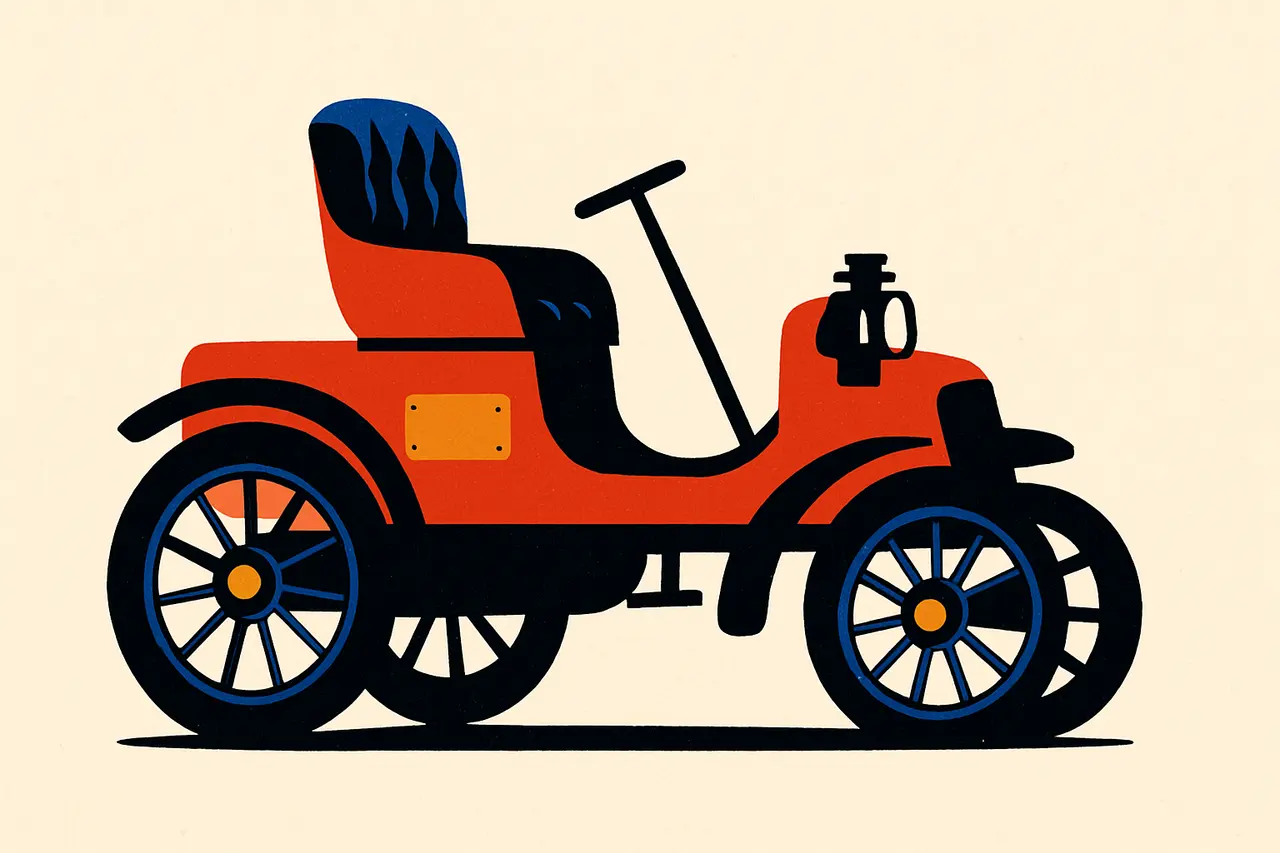
France made automotive history by ordering every motor vehicle to wear a metal plate naming its owner, the world's first registration law.
On 14 August 1893, the Paris Police Prefecture issued an ordinance that made France the first country in the world to require motor vehicle registration. Every powered vehicle now had to carry a metal plate showing, in legible characters, the owner’s name and address plus a distinctive authorisation number. The plate had to sit on the left-hand side and could never be hidden.
Each motor vehicle shall bear on a metal plate and in legible writing the name and address of its owner.
The idea grew out of an earlier experiment. In 1891, after accidents in Lyon’s Parc de la Tête d’Or, the city’s mayor ordered drivers to display numbered identification plates inside the park, the first registration scheme anywhere.
Paris turned that local fix into national policy. First enforced in the Department of the Seine, the requirement spread across all of France by 1901. Other nations soon copied it, with Germany following in 1896 and the United States issuing its first plates in New York in 1901, establishing a system every motorist still relies on today.
Sources & references
2 referencesWell-established. Corroborated by 2 independent sources.